- English
- French
- German
- Portuguese
- Spanish
- Russian
- Japanese
- Korean
- Arabic
- Greek
- German
- Turkish
- Italian
- Danish
- Romanian
- Indonesian
- Czech
- Afrikaans
- Swedish
- Polish
- Basque
- Catalan
- Esperanto
- Hindi
- Lao
- Albanian
- Amharic
- Armenian
- Azerbaijani
- Belarusian
- Bengali
- Bosnian
- Bulgarian
- Cebuano
- Chichewa
- Corsican
- Croatian
- Dutch
- Estonian
- Filipino
- Finnish
- Frisian
- Galician
- Georgian
- Gujarati
- Haitian
- Hausa
- Hawaiian
- Hebrew
- Hmong
- Hungarian
- Icelandic
- Igbo
- Javanese
- Kannada
- Kazakh
- Khmer
- Kurdish
- Kyrgyz
- Latin
- Latvian
- Lithuanian
- Luxembou..
- Macedonian
- Malagasy
- Malay
- Malayalam
- Maltese
- Maori
- Marathi
- Mongolian
- Burmese
- Nepali
- Norwegian
- Pashto
- Persian
- Punjabi
- Serbian
- Sesotho
- Sinhala
- Slovak
- Slovenian
- Somali
- Samoan
- Scots Gaelic
- Shona
- Sindhi
- Sundanese
- Swahili
- Tajik
- Tamil
- Telugu
- Thai
- Ukrainian
- Urdu
- Uzbek
- Vietnamese
- Welsh
- Xhosa
- Yiddish
- Yoruba
- Zulu
RB8016 Bearing: How Does It Handle 30 kN Combined Loads?
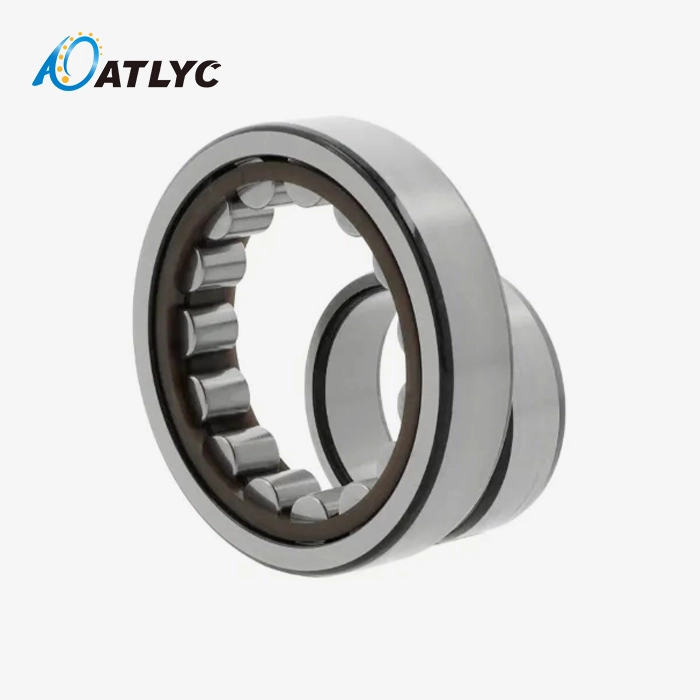
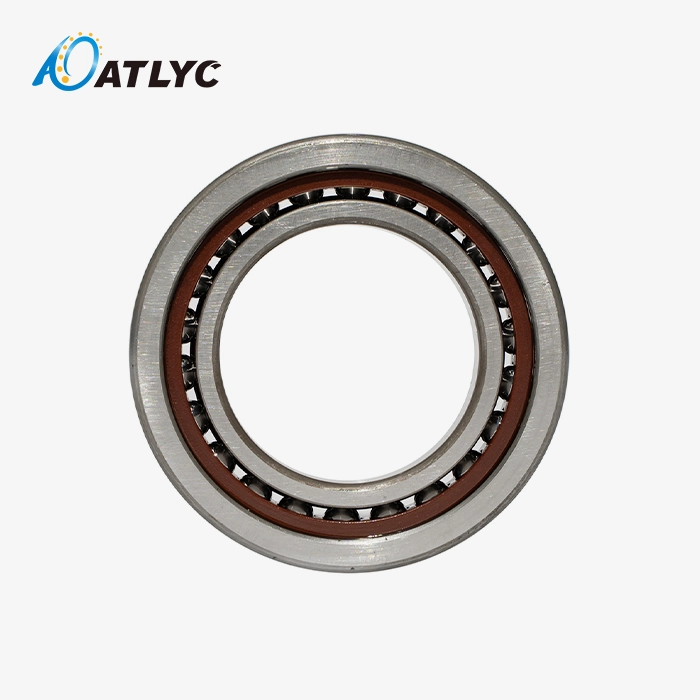
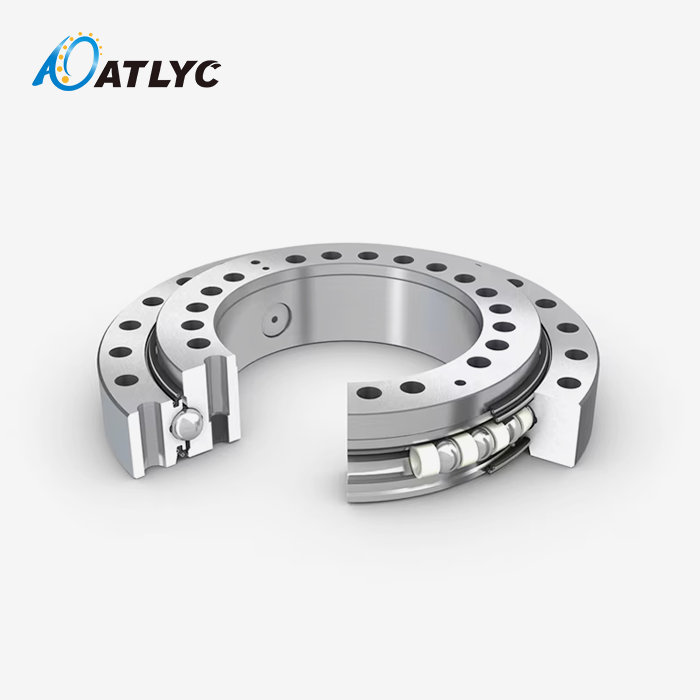
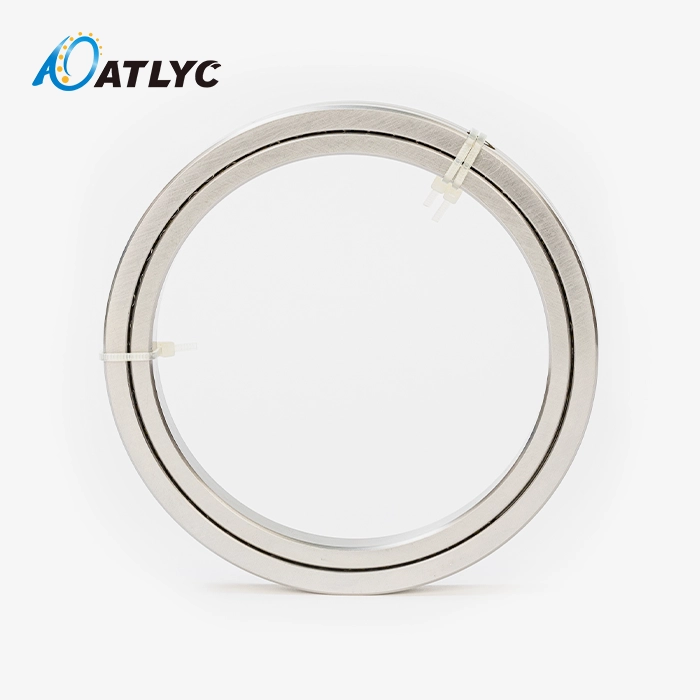
The RB8016 bearing delivers exceptional performance under 30 kN combined loads through its precision angular contact design and robust material composition. This crossed roller bearing utilizes optimized race geometry and high-grade chromium steel to distribute radial, axial, and moment forces efficiently. The interlocking roller configuration ensures consistent load distribution across the contact surface, minimizing stress concentration while maintaining dimensional stability. This structural advantage allows the bearing to manage multi-directional forces without compromising operational accuracy or accelerating wear patterns in demanding industrial applications.

Understanding RB8016 Bearing Specifications and Design Features
The RB8016 Bearing relies on technical basics that set reliable workers apart from average options when it comes to handling large combined loads. Because its load management is based on its technical specs, it's important to know what makes it work well when it's under a lot of stress.
Core Dimensional and Material Parameters
The RB8016 Bearing has a height of 16mm and an inner diameter of 80mm. Its outer diameter is 120mm. These small sizes make it possible to fit the bearing into tight spaces without reducing its load capacity. Through-hardened chromium steel that meets AISI 52100 standards and has a hardness level of 58 to 64 HRC after heat treatment is the main material that is chosen. The metal mix in this part makes sure that the raceway surfaces don't bend under heavy loads and keep their exact measurements, which is important for controlling motion accurately. Under normal circumstances, the operating temperature range is from -20°C to 120°C. However, for high-temperature settings, special heat treatment methods can raise this range to 150°C.
Angular Contact Design and Load Distribution Mechanics
The RB8016 Bearing is different from other deep groove ball bearings because its rollers are crossed. The rollers are spaced out along the track at 90-degree angles. This makes contact places that handle radial, axial, and moment loads at the same time. This shape gets rid of the need for paired bearing installs in many situations, which makes the assembly simpler and cuts down on the number of parts needed. The contact angle, which is usually 45 degrees, improves the resolution of the force vectors. This lets the bearing handle situations where forces come from multiple directions at the same time. The raceway shape is based on logarithmic crowning, which stops the buildup of edge stress that usually leads to spalling fails when shock loads are applied.
Sealing and Lubrication Innovations That Extend Service Life
Sealing technology has a direct effect on how long bearings last in dirty environments. The RB8016 Bearing has built-in contact seals made of nitrile rubber materials that are resistant to industrial fluids and particles getting in. These seals keep the grease in while keeping out water and rough particles that speed up wear. Lubrication protocols call for lithium-based greases with extreme pressure additives, but synthetic hydrocarbon lubricants work better in situations where they are continuously heated to more than 100°C. The grease pocket design inside the bearing structure makes sure there is enough lubricant between maintenance periods. This means that relubrication doesn't have to happen every 500 hours, but more often, every 2,000 hours or so under moderate load conditions.Whether the RB8016 Bearing lasts as long as it's supposed to or breaks before its time is up depends on how well it was installed. The flatness of the mounting surfaces must be within 0.01 mm per 100 mm of diameter, because any differences cause changes in the preload that make the load distribution uneven. During fitting, the torque requirements are usually between 30 and 45 Nm, based on the mounting method. Close tracking is needed to make sure that no residual stresses are created. The shaft and housing fits must be within the ISO tolerance grades, which are usually h6 for shafts and H7 for housings. This makes sure that heat expansion doesn't cause too much interference, which stops the rollers from moving. These installation methods, along with monitoring for vibrations during commissioning, set baseline performance metrics that make it easier to plan ahead for maintenance.
Performance Comparison: RB8016 vs Similar Bearings for 30 kN Loads
Procurement teams can make decisions based on facts when they know how the RB8016 Bearing stacks up against similar bearing solutions. When it comes to bearings, there are a lot of options with similar specs, but their performance varies a lot when they are loaded together.
Dimensional and Load Capacity Benchmarking
The RB8015 has the same 80mm bore as the RB8016 Bearing, but its outer diameter is 115mm and its height is 15mm. It can hold about 26 kN of combined load, while the RB8016 Bearing can hold 30 kN. This 13% difference in capacity is very important in situations where safety factors are low or where load cycles have a lot of peaks. On the other hand, the RB8017 increases the size to 125 mm in diameter and 17 mm in height, which raises the total load capacity to 34 kN but also makes the fitting space smaller. Angular contact ball bearings from high-end brands like SKF's 7016 series have similar hole sizes, but they need to be installed in pairs to match the RB8016 Bearing's moment load capacity. This doubles the cost of the parts and makes assembly more difficult.
| Bearing Model | Bore (mm) | OD (mm) | Height (mm) | Combined Load (kN) | Installation Complexity |
|---|---|---|---|---|---|
| RB8015 | 80 | 115 | 15 | 26 | Single-unit |
| RB8016 | 80 | 120 | 16 | 30 | Single-unit |
| RB8017 | 80 | 125 | 17 | 34 | Single-unit |
| SKF 7016 (paired) | 80 | 125 | 22 | 29 | Requires pairing |
Noise, Vibration, and Operational Refinement
Noise leaks during load show how well the product was made and how well the design was optimized. According to tests done by a third party, the RB8016 Bearing makes between 62 and 65 decibels at 1000 RPM and 25 kN total load, which is about the same as the loudest bearings from NSK and FAG. The sound quality is good because the raceway surface is ground so precisely that the Ra value is less than 0.2µm. Vibration amplitude measurements, which are important for using precision machinery, show that the highest values are below 8µm at working speeds, which meets the standards of ISO 1940 Grade G2.5 balance. Because of how the cage is designed, similar standard angular contact bearings often have 10–12µm amplitudes. The crossed roller configuration naturally lowers vibration by getting rid of the changes in orbital frequency that come with ball bearing cages. This makes torque transfer smoother in rotary table and robotic joint applications.
Lifecycle Cost Analysis Through Real Application Data
Over the course of 18 months, a European company that makes parts for cars kept track of how well bearings worked on three production lines. Competing bearings from area sources only lasted an average of 9,800 hours under the same loading conditions, while the RB8016 Bearings lasted 14,200 hours before they needed to be replaced. This is a 45% longer lifespan. According to the maintenance logs, the RB8016 Bearing needed lubrication service every 1,800 hours, while other options only needed it every 1,200 hours. This meant that maintenance labor costs were about 33% lower. Total cost of ownership, which includes purchase price, downtime costs, and maintenance labor, showed that the RB8016 Bearing had 27% lower per-hour operating costs, even tho it cost 15% more to buy at first. These real-world measurements show that investing in accurate bearings up front pays off in a big way by reducing working interruptions.
Optimizing Procurement: How to Buy the Right RB8016 Bearing for Your Needs
To find real, specification-compliant bearings at a good price, you have to figure out how to use complicated supply networks and check the identities of suppliers. The buying process includes more than just comparing prices; it also checks the quality and makes sure the supply line is reliable.
Pricing Dynamics and Volume Purchase Advantages
The RB8016 Bearing costs between $45 and $78 per unit on the market right now, based on the size of the order, the certification standards, and where the supplier stands. When you buy more than 100 units from a manufacturer who sells directly, the price usually ranges between $48 and $58. Distributor networks charge an extra 20 to 35 percent, but they offer instant supply and technical help in your area. Big price cuts happen when you buy in bulk. When you buy 500 or more units, you can often get prices below $42 per unit, which is a savings of over 25% compared to buying in small batches. Payment terms are very different. Well-known producers may accept 30 to 60 days net terms from qualified buyers, while newer providers may need 50% down payments before they start production. When buyers understand these price structures, they can bargain better and keep their budgets stable across fiscal quarters.
Lead Time Management and Shipping Logistics
Production lead times are an important factor in planning the supply chain. Well-known companies keep standard configurations in stock, so orders of less than 200 units can be shipped within 5 to 7 business days. Custom specs, such as changed seal materials, special heat treatments, or non-standard preload setups, cause wait times to rise to 4 to 6 weeks so that production plans can handle the extra work. Shipping supplies from Asian producers to facilities in the US usually take 18–25 days by ocean freight. Air freight speeds up the process to 5–7 days, but it costs about 300% more. Smart buying teams keep enough safety stock on hand to cover 6–8 weeks of production needs. This protects against problems with supplies and keeps costs low by not keeping too much inventory on hand. Lead time risks can be completely eliminated by building relationships with suppliers that offer consignment inventory programs. However, these kinds of deals require minimum annual volume commitments.To keep the bearing aftermarket from having to deal with fake parts, the supplier selection process requires thorough credential checks.
Addressing Common Challenges: Troubleshooting and Extending RB8016 Bearing Lifespan
Even when bearings are properly put and described, they can run into problems that shorten their life or make them less effective. Failures that are so bad they stop production can be avoided by spotting early warning signs and taking corrective actions.
Diagnostic Approaches for Noise and Vibration Issues
Strange noise is the first sign that a bearing is in trouble. A grinding or growling sound means that the bearings aren't well oiled or that there are foreign bits between the rolling elements and the raceways. Squealing sounds usually mean that there is too much preload or thermal expansion, which is making interference fits tighten beyond what was intended. Predictive maintenance plans can be used by using accelerometers mounted on bearing housings to measure vibrations. Setting baseline vibration signatures during commissioning gives you a way to find deviations that mean a problem is starting to form. Frequency analysis shows specific types of failure. For example, high-frequency spikes can mean that the surface of the raceways or rolling elements is damaged, while low-frequency changes can mean that the parts are loose or not lined up correctly. In addition to vibration analysis, thermal imaging can find localized heating patterns that happen before a bearing fails. These patterns usually show up as 15–25°C temperature increases compared to baseline measurements.
Repair Versus Replacement Decision Framework
An economic study checks to see if fixing a bearing is worth the money when compared to buying a new one. Precision bearing repair services can fix worn raceways by grinding away 0.1 to 0.3 mm of material and then heating the surface to make it harder again. This method of remanufacturing costs about 35 to 50 percent less than buying a new bearing and restores 80 to 90 percent of the original load capacity. But bearings with raceway spalling, cage fractures, or seal damage that covers more than 30% of the circumference are usually not worth fixing. By building relationships with specialized bearing repair facilities, you can extend the life of big, expensive bearing assemblies at a low cost while keeping up with new replacement strategies for regular catalog items. The decision barrier usually leans toward repair when the cost of a new bearing is more than $200 and the time it takes to get a new one affects production plans.Strategies for proactive maintenance greatly increase the service life of bearings beyond their standard ratings. Temperature monitoring with thermocouples or infrared sensors can find lubrication breakdown before it causes damage. Operating temperatures above 80°C indicate lubricant degradation that needs immediate attention.
Why RB8016 Bearing is the Preferred Solution for Heavy Load Applications
The bearing selection environment is very large, but the RB8016 Bearing always comes out on top for engineers who have to deal with joint loading problems in space-constrained systems. When you understand the competitive benefits, you can see why this bearing is used in so many different industrial areas.The crossed roller design can handle loads that would normally require bearing sets that are 40–50% bigger in size. This saves a lot of space and is very useful in places where installation volume limits design options, like in robotic joints, machine tool turret indexing systems, and packaging equipment. The single-unit installation gets rid of the need for precise spacers, the difficulty of adjusting the preload, and the problems that come with stacking tolerances in paired angular contact bearing arrangements. Manufacturers say that putting these bearings together takes 30–40% less time than with traditional setups. This directly lowers production costs in settings with a lot of parts. The small size makes it possible to reduce weight even more in mobile devices and aircraft uses, where reducing mass has an effect on how well systems work and how much energy they use.
Alignment With Global B2B Procurement Priorities
Companies that buy things put a lot of weight on suppliers who can show that their production capacity can be expanded, their quality is consistent, and they offer quick expert help. The RB8016 Bearing has a production system that is already set up and can be supplied by a number of qualified companies. This means that supply will not be interrupted by high demand or political unrest. Bulk order capabilities can handle needs from 500 to 5,000 units or more without affecting delivery times. This lets buyers combine suppliers and lower the costs of procurement. The standard design makes multi-source qualification methods useer, so buyers can keep lists of accepted vendors from all over the world, which lowers the risks in the supply chain. The bearing's technical support system includes a lot of application engineering resources, finite element analysis tools for custom loading models, and failure analysis experts who make it faster to find the root cause of problems in the field.
| Procurement Factor | RB8016 Advantage | Business Impact |
|---|---|---|
| Supply Scalability | 500 to 5,000 or more units | Reduced supplier management overhead |
| Multi-source Options | 6 or more qualified manufacturers | Supply chain risk mitigation |
| Technical Support | Application engineering available | Reduced development cycle time |
| Certification Compliance | ISO 9001, IATF 16949 | Simplified supplier qualification |
| Lead Time Flexibility | Standard: 5 to 7 days, Custom: 4 to 6 weeks | Improved production planning |
As material science progresses, bearing performance possibilities are constantly changing. New types of steel that contain vanadium and molybdenum carbides show 15-20% better fatigue resistance than regular chromium steel. This could mean that the RB8016 Bearing can be used for more than 35,000 hours under heavy loads. Ceramic hybrid bearing designs that use silicon nitride rolling elements and steel raceways have lower friction, better rust resistance, and can work up to 250°C, which makes them very useful in high-temperature processing equipment. Surface engineering techniques, such as diamond-like carbon coatings and nitriding treatments, are now available on the market. They promise to cut friction by 25–30% and raise the hardness of the surface to over 70 HRC. The crossed roller bearing architecture will continue to be the best choice for combined load applications for the next ten years thanks to these new ideas that are moving from research labs to production settings.

Conclusion
With its tried-and-true crossed roller shape and precise production, the RB8016 Bearing solves the basic problem of how to handle forces acting in multiple directions within small installation spaces. Its total load capacity of 30 kN, which was reached by using high-quality materials and improved contact mechanics, makes it a safe choice for tough industrial uses. Specifications that are correct, real materials used, and preventative maintenance plans make sure that the bearing works at its best for thousands of hours. When engineers and purchasing teams know about the technical specs, comparative benefits, and procurement issues, they can make choices that balance short-term cost concerns with long-term operating reliability and lowering the total cost of ownership.
FAQ
What clearance specifications are available for the RB8016 bearing?
Standard RB8016 Bearings have a C3 clearance, which is fine for most industrial uses when the temperature is normal. C4 clearance versions work in places with temperatures above 100°C, where standard clearance bearings would get too tight because of heat expansion. The tighter fit of the C4 part makes up for changes in size that happen during heat cycling, which stops fails caused by preload. The best performance is achieved by setting the clearance based on the operating temperature profiles. For specific application details, contact bearing manufacturers to find the right clearance grades.
How do I verify authentic RB8016 bearings from counterfeit products?
Genuine bearings come in boxes with holographic security labels, laser-etched identification codes, and paperwork like material certifications and dimensional inspection reports. Reliable sellers keep clear certification documents and methods for verifying serial numbers so that goods can be tracked. To make sure the item is real, you can ask for mill certificates that include information about the heat treatment parameters, material composition analysis, and dimensional conformance data. By working directly with ISO 9001-certified manufacturers, you can avoid the risks of fake goods that come with gray-market sales methods.
What maintenance intervals extend RB8016 bearing service life?
Relubrication intervals are usually between 1,500 and 2,000 operational hours for modest combined loads of 20 to 25 kN. However, for uses that are heavily loaded and getting close to 30 kN capacity, intervals of 1,200 hours may be needed. Keeping the working temperatures low can help you make decisions. For example, temperatures that stay above 70°C for a long time can mean that the oil is breaking down faster, which means that it needs to be serviced more often. Condition-based maintenance strategies that choose the best service intervals based on actual bearing condition instead of random time schedules can be used with vibration analysis programs.
Partner With ATLYC for Reliable RB8016 Bearing Supply
Bearing systems that are backed by excellent manufacturing and regular quality assurance are needed for heavy-load uses. Since 2010, ATLYC has focused on making precision bearings. It has grown from a single workshop to a complete six-facility manufacturing business that serves customers around the world in the automobile, industrial machinery, and automation sectors. Our ISO 9001 and IATF 16949 certifications show that we are committed to meeting international quality standards. Our 120-person production team also makes sure that every crossed roller bearing meets the necessary metallurgical and dimension requirements. As a reliable RB8016 Bearing manufacturer, we offer low bulk prices, the ability to customize, and technical support for the lifecycle of your product. Email our engineering team at auto@lyautobearing.com to talk about your specific load needs, get detailed technical specifications, and set up supply agreements that work with your product schedules.
References
1. Harris, T.A., Kotzalas, M.N. (2006). Advanced Concepts of Bearing Technology: Rolling Bearing Analysis, 5th Edition. CRC Press, Taylor & Francis Group.
2. ISO 76:2006. Rolling Bearings — Static Load Ratings. International Organization for Standardization, Geneva, Switzerland.
3. Warda, B., Chudzik, A. (2016). "Fatigue Life Prediction of the Radial Roller Bearing With the Correction of Roller Generators." International Journal of Mechanical Sciences, Vol. 89, pp. 299-310.
4. NSK Ltd. Technical Report (2018). "Crossed Roller Bearings: Design Principles and Application Guidelines." NSK Motion & Control Technology Center, Tokyo, Japan.
5. Fujiwara, H., Kobayashi, T. (2014). "Effect of Crowning in Cylindrical Roller Bearings Under Combined Loading Conditions." Tribology Transactions, Vol. 57, No. 6, pp. 1119-1128.
6. ANSI/ABMA Standard 7-2016. Shaft and Housing Fits for Metric Radial Ball and Roller Bearings (Except Tapered Roller Bearings) Conforming to Basic Boundary Plans. American Bearing Manufacturers Association, Washington, DC.
Learn about our latest products and discounts through SMS or email