- English
- French
- German
- Portuguese
- Spanish
- Russian
- Japanese
- Korean
- Arabic
- Greek
- German
- Turkish
- Italian
- Danish
- Romanian
- Indonesian
- Czech
- Afrikaans
- Swedish
- Polish
- Basque
- Catalan
- Esperanto
- Hindi
- Lao
- Albanian
- Amharic
- Armenian
- Azerbaijani
- Belarusian
- Bengali
- Bosnian
- Bulgarian
- Cebuano
- Chichewa
- Corsican
- Croatian
- Dutch
- Estonian
- Filipino
- Finnish
- Frisian
- Galician
- Georgian
- Gujarati
- Haitian
- Hausa
- Hawaiian
- Hebrew
- Hmong
- Hungarian
- Icelandic
- Igbo
- Javanese
- Kannada
- Kazakh
- Khmer
- Kurdish
- Kyrgyz
- Latin
- Latvian
- Lithuanian
- Luxembou..
- Macedonian
- Malagasy
- Malay
- Malayalam
- Maltese
- Maori
- Marathi
- Mongolian
- Burmese
- Nepali
- Norwegian
- Pashto
- Persian
- Punjabi
- Serbian
- Sesotho
- Sinhala
- Slovak
- Slovenian
- Somali
- Samoan
- Scots Gaelic
- Shona
- Sindhi
- Sundanese
- Swahili
- Tajik
- Tamil
- Telugu
- Thai
- Ukrainian
- Urdu
- Uzbek
- Vietnamese
- Welsh
- Xhosa
- Yiddish
- Yoruba
- Zulu
RB Cross Roller Bearings: Features and Benefits Guide
When you need the highest level of accuracy and load capacity RB Cross Roller Bearing for an industrial application, RB Cross Roller Bearing technology gives you the best performance in a small package. These special bearings have a crossed-roller design that lets them handle radial, axial, and moment loads all at the same time in a single unit. With a solid inner and outer ring and an outer ring with a plug design, these goods give you the rigidity and accuracy you need for positioning tasks that are very important in robotics, machine tools, and precision equipment. It tells procurement managers, engineers, and original equipment manufacturers (OEMs) everything they need to know about how these high-tech parts solve difficult problems in automation and industrial machines.
What Are RB Cross Roller Bearings?
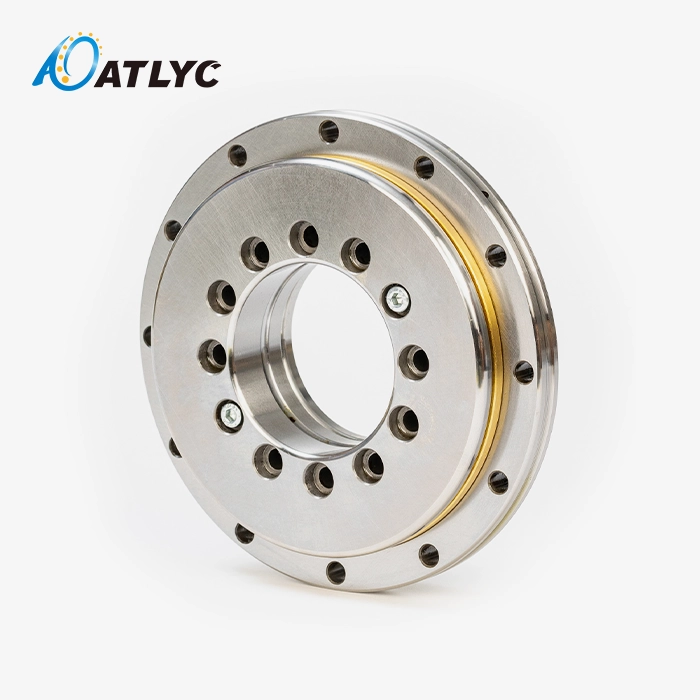
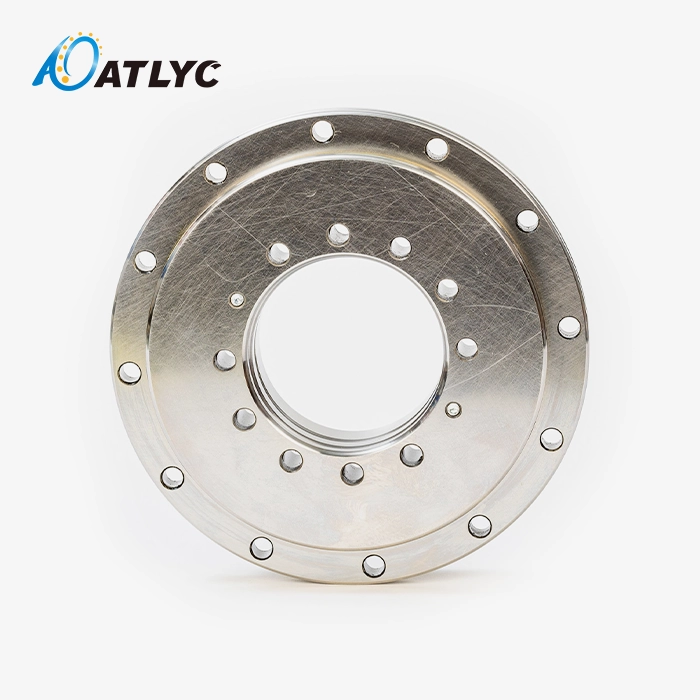
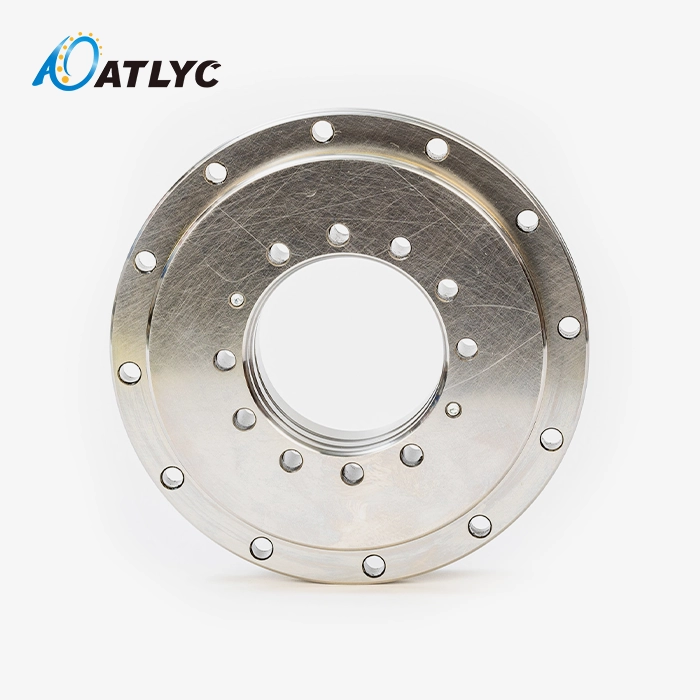
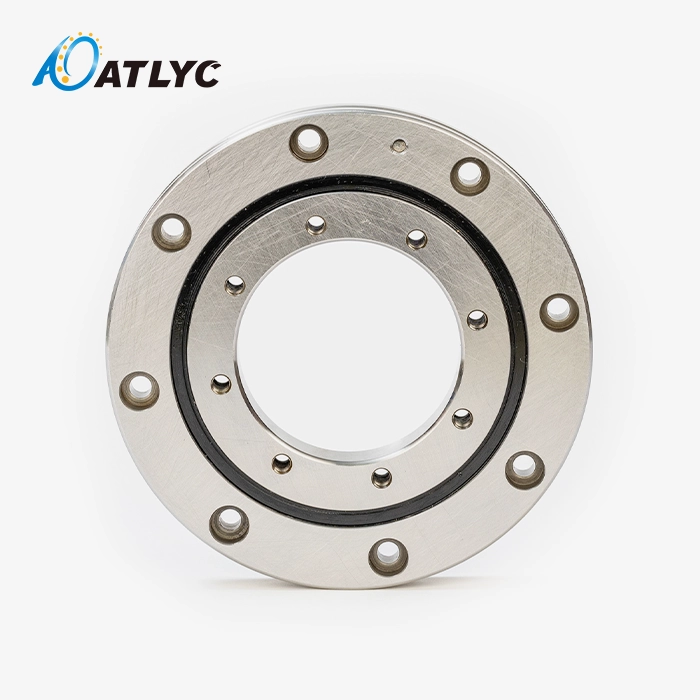
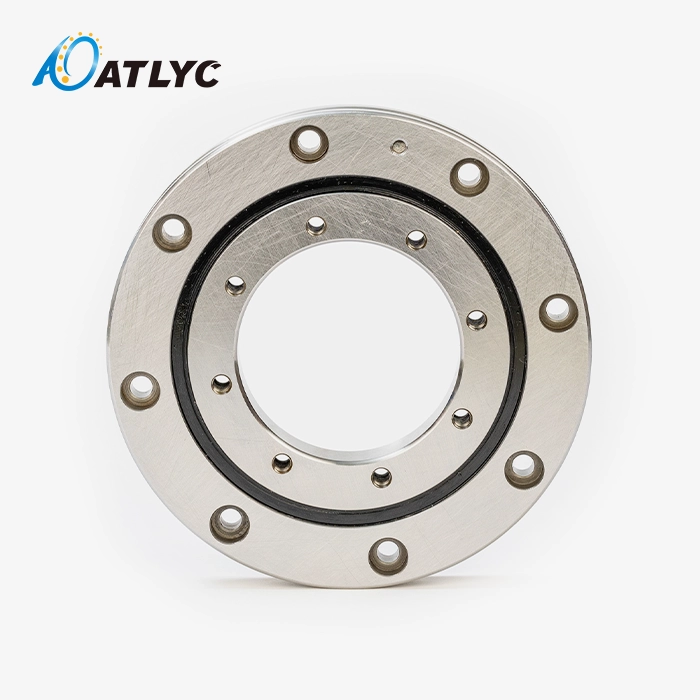
RB Cross Roller Bearing assemblies represent a breakthrough in precision engineering, featuring cylindrical rollers arranged in an orthogonal pattern at 90-degree intervals. This crosswise configuration allows each roller to alternate orientation, creating optimal contact geometry between the rolling elements and the precision-machined V-shaped raceways. Unlike conventional bearing arrangements requiring multiple units to handle complex loading, these integrated assemblies consolidate functionality into a single, compact package.
Structural Design and Working Principle
The core design is based on the integrity of the inner and outer rings. The outer ring has a plug system built into it. This plug design makes installation easier and keeps the roller in place during all operating cycles. When two cylindrical rollers are placed perpendicular to each other, they make line contact patterns with both rings. This spreads the force evenly across the bearing structure. This setup keeps stress levels low and lets the bearing handle radial loads, axial forces, and moment loads all at the same time, without having to make the complicated preload changes that most bearing designs need.
Material Composition and Manufacturing Standards
The base of these precise parts is made of high-quality bearing steel. Manufacturers usually use Gcr15 or Gcr15SiMn metals, which are chosen because they are very hard, don't wear down easily, and keep their shape when heated and cooled many times. Advanced heat treatment methods improve the material properties all over the bearing structure, RB Cross Roller Bearing, and precise grinding processes make sure that the raceway surfaces meet strict geometric tolerances. These ways of making things let crossing roller bearings reach levels of accuracy from P6 for general industrial use to P4 and P3 for very precise machinery that needs very little runout variation.
Size Range and Configuration Options
RB Cross Roller Bearing sets come in a wide range of sizes to meet the needs of a wide range of applications. For small robotic joints, the inner diameter ranges from 20 mm to 1100 mm for big rotary tables. The outside lengths range from 70 mm to 1500 mm, and the widths range from 12 mm to 110 mm. Engineers can choose the best configurations that balance load capacity with room limitations that are unique to their equipment designs, thanks to this wide range of sizes. When compared to split-ring designs, which need to be carefully lined up during assembly, the integral ring construction with outer ring plug layout makes mounting easier.
Comparing RB Cross Roller Bearings with Other Bearing Types
Understanding how crossed roller bearings differ from alternative bearing technologies helps procurement teams make informed decisions aligned with application requirements. Each bearing category offers distinct performance characteristics suited to specific operational contexts.
RB Cross Roller Bearings versus Ball Bearings
Standard ball bearings have point contact between the rolling elements and the raceways, which means they can't hold as much weight as line contact shapes. Ball bearings work best in high-speed situations with light loads, but they need to be paired up to handle rotational and axial forces at the same time. This is not a problem with RB Cross Roller Bearing assemblies because they handle loads in more than one way within a single unit. Crossed-roller bearings are the best choice for precision positioning systems that need to keep displacement to a minimum, even when loads change. This is because they are more rigid and can handle more moment loads.
Performance Advantages Over Cylindrical Roller Bearings
Because they are made with line contact, cylindrical roller bearings can handle a lot of radial load, but they usually can't handle big axial forces without extra thrust bearings. Because their rollers are arranged in different directions at different times, crossed roller bearings can support radial, axial, and moment loads at the same time. This combination simplifies the bearing arrangement, lowers the assembly height, and reduces weight, all of which are important factors in designing robotic arms and small automation equipment where engineers have to make decisions based on available space.
Distinctions from Slewing Ring Bearings
Slewing rings can also handle loading in more than one way, but they usually have bigger envelopes and gear teeth for direct drive applications. RB Cross Roller Bearing assemblies can handle the same amount of weight but have much smaller cross-sections, which makes them perfect for situations where installation space is limited. Crossed roller bearings have better runout accuracy than most slewing ring configurations because their raceways are precisely ground and their roller spacing is controlled. This is a big benefit for applications that need exact angular positioning, like rotary tables in machining centers.
Key Features and Design Principles of RB Cross Roller Bearings
The engineering principles underlying crossed roller bearing design deliver performance characteristics that address specific challenges in precision machinery. Understanding these features enables engineers to RB Cross Roller Bearing leverage these components effectively within their equipment designs.
Multi-Directional Load Handling Capacity
RB Cross Roller Bearing technology consolidates load management into a unified assembly. The alternating roller arrangement creates contact points that resist forces from multiple directions simultaneously. Radial loads encounter rollers oriented to provide maximum resistance in that plane, while axially oriented rollers counteract thrust forces. Moment loads, which create complex stress patterns in conventional bearings, distribute across multiple contact points throughout the bearing circumference. This comprehensive load handling eliminates the need for bearing combinations that complicate assembly procedures and introduce additional potential failure points.
Superior Rigidity and Minimal Deflection
High contact ratios between cylindrical rollers and precision raceways generate exceptional stiffness characteristics. When external forces apply to the bearing assembly, the line contact geometry resists deformation more effectively than point contact alternatives. This rigidity proves essential in applications where positioning accuracy must remain consistent under varying loads—robotic manipulators gripping objects of different weights, for instance, or machine tool rotary tables maintaining workpiece positioning during cutting operations that generate fluctuating forces.
Low Friction Coefficient and Smooth Operation
Optimized roller geometry combined with precision manufacturing results in reduced friction coefficients during rotation. The crossed arrangement ensures uniform load distribution across all rolling elements, preventing individual rollers from experiencing disproportionate stress that accelerates wear. This balanced loading translates to smoother rotation, reduced energy consumption in drive systems, and extended operational life. Proper lubrication management through the outer ring plug system maintains optimal friction characteristics throughout the bearing's service life.
Exceptional Runout Accuracy
Precision grinding and stringent quality control processes ensure minimal runout variation in RB Cross Roller Bearing assemblies. Manufacturers achieve accuracy grades from P6 through P3, with tighter tolerances delivering runout values measured in micrometers. This rotational precision proves critical in applications such as IC manufacturing equipment, where substrate positioning errors propagate through process steps and compromise yield rates. Medical imaging devices similarly depend on this accuracy to maintain consistent scanning geometry throughout operational cycles.
Industrial Applications and Benefits for B2B Clients
RB Cross Roller Bearing assemblies serve as critical components across industries where precision, load capacity, and reliability directly impact production efficiency and product quality. Understanding these application contexts helps procurement teams recognize opportunities to enhance their equipment performance.
Robotics and Automation Systems
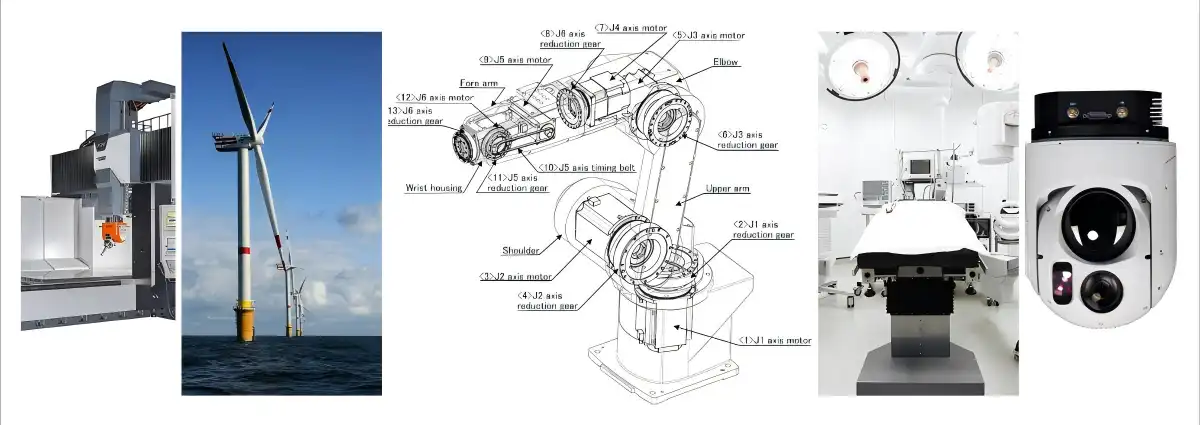
Industrial robots rely on crossed roller bearings in joint mechanisms and rotating bases where compact size and multi-axis load handling prove essential. A six-axis robotic arm might incorporate multiple RB Cross Roller Bearing units at elbow and wrist joints, where space constraints prevent using larger bearing arrangements. The bearings' ability to handle moment loads from extended tool reaches and varying payload weights makes them indispensable in automated assembly lines, material handling systems, and collaborative robot applications where precision and repeatability directly affect production quality.
Machine Tool Rotary Tables and Indexing Systems
Machining centers utilize crossed roller bearings in rotary tables that position workpieces during multi-axis operations. The bearings must maintain angular accuracy while resisting cutting forces that generate complex loading patterns. RB Cross Roller Bearing assemblies deliver the required rigidity to prevent workpiece deflection during machining, ensuring dimensional accuracy in finished parts. Precision grinding and inspection processes validate that bearing runout remains within tolerances that meet or exceed the machine tool's overall accuracy specification, preserving the equipment's capability to produce parts within design tolerances.
Medical Equipment and Diagnostic Devices
Advanced medical imaging systems depend on RB Cross Roller Bearing technology in CT scanner gantries and surgical robot joints. These applications demand exceptionally low runout and smooth rotation to prevent image artifacts or positioning errors during procedures. The bearings' ability to operate reliably in environments requiring frequent cleaning and sterilization, combined with their precision characteristics, makes them suitable for medical device manufacturers seeking components that meet stringent regulatory requirements while delivering consistent performance throughout extended service intervals.
Semiconductor Manufacturing and IC Production
Wafer handling systems, lithography equipment, and inspection stations in semiconductor fabs incorporate crossed roller bearings where contamination control and precision positioning are paramount. RB Cross Roller Bearing assemblies manufactured to P4 or P3 accuracy grades provide the angular positioning accuracy required for photomask alignment and wafer inspection processes where tolerances measure in nanometers. The bearings' compact design allows equipment designers to minimize cleanroom footprint while maintaining the mechanical performance required for high-yield semiconductor production.
Procurement Guide: How to Buy RB Cross Roller Bearings
Securing reliable supplies of high-quality crossed roller bearings requires careful RB Cross Roller Bearing evaluation of technical specifications, supplier capabilities, and supply chain considerations. This procurement guidance helps manufacturing operations establish partnerships that support long-term production requirements.
Evaluating Technical Specifications and Quality Standards
Procurement teams should verify that RB Cross Roller Bearing suppliers provide comprehensive technical documentation, including load ratings, accuracy grades, and material certifications. Dynamic and static load capacities must align with application requirements, accounting for safety factors appropriate to the operational environment. Material certifications confirming Gcr15 or Gcr15SiMn composition ensure the bearings possess the hardness and wear characteristics needed for extended service life. ISO 9001 and IATF 16949 certifications demonstrate that manufacturing processes incorporate quality management systems aligned with automotive and industrial standards recognized globally.
Assessing Manufacturing Capacity and Lead Times
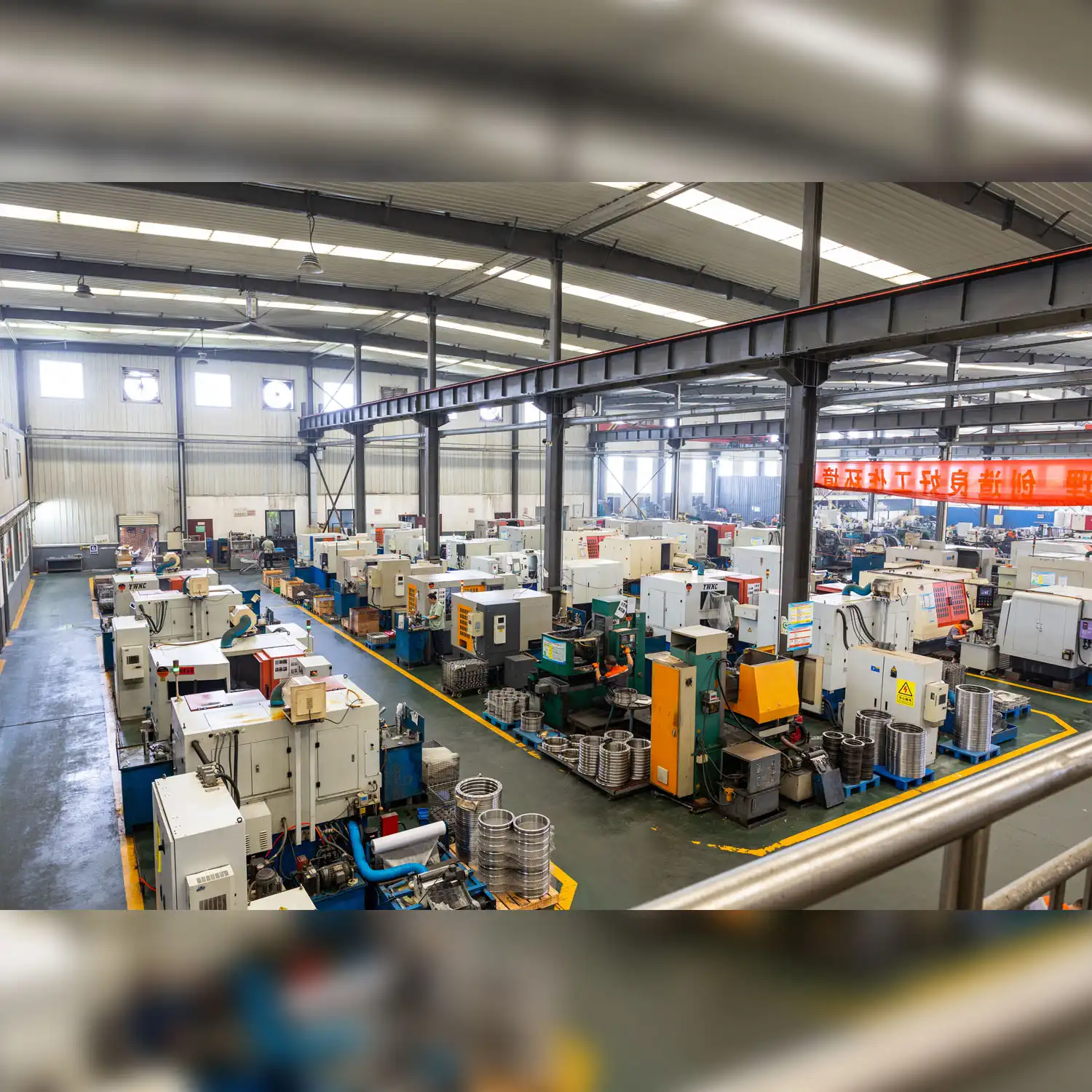
Understanding supplier production capacity helps procurement managers plan inventory levels and avoid supply disruptions. Manufacturers with dedicated bearing production facilities can scale output to meet fluctuating demand while maintaining consistent quality. Lead time reliability proves particularly important for OEMs coordinating component delivery with production schedules. Suppliers offering various size ranges from their existing production lines can fulfill orders more rapidly than those requiring custom tooling for each specification, reducing time-to-market for new equipment designs.
Import Compliance and Documentation Requirements
International procurement involves navigating customs regulations, tariff classifications, and quality documentation requirements. Reputable bearing manufacturers provide certificates of origin, material test reports, and inspection documentation that facilitate customs clearance in destination markets, including the United States, Germany, South Korea, and other export destinations. Understanding these documentation requirements upfront prevents shipment delays and ensures compliance with import regulations specific to bearing products entering industrial supply chains.
Establishing Long-Term Supply Partnerships
Agreements to buy in bulk from qualified manufacturers save money and make sure there is a steady flow of goods. Suppliers that offer expert support services help engineering teams choose the right bearings, install them correctly, and fix problems throughout the lifecycle of their products. Warranty plans that cover flaws in the manufacturing process give you even more confidence that the quality of the bearings meets your needs. Building ties with manufacturers that show they are committed to continuous improvement and have experience working with companies in other countries makes it easier for procurement departments to get new bearing technologies as they come out.
Conclusion
Through its unique crossed-roller configuration, integral ring design, and exceptional load-carrying capabilities, RB Cross Roller Bearing technology meets important needs in precise industrial uses. These bearings combine radial, axial, and moment load control into small units that can be used in robots, machine tools, medical equipment, and systems for making semiconductors. Their high rigidity, low friction, and high precision accuracy grades from P6 to P3 improve performance, which makes production more efficient and raises the quality of the products made. When looking at bearing solutions, procurement teams should know how the quality of the materials, production standards, and the supplier's skills affect how reliable and cost-effective the solutions are in harsh industrial settings.
FAQ
1. How do RB Cross Roller Bearings differ from traditional bearing arrangements?
Traditional bearing configurations often require multiple units arranged in opposition to handle combined radial and axial loads. RB Cross Roller Bearing assemblies consolidate this functionality through their alternating roller orientation, managing multi-directional forces within a single compact unit. The crossed arrangement creates line contact in perpendicular planes, delivering superior rigidity and moment load capacity compared to paired ball bearing arrangements while reducing installation space and assembly complexity.
2. What maintenance practices extend bearing service life in demanding applications?
Consistent lubrication management proves essential for maintaining optimal performance. The outer ring plug design facilitates controlled lubricant application while preventing contaminant ingress. Regular inspection intervals, monitoring for unusual vibration, temperature elevation, or noise changes, allow early detection of potential issues before they progress to bearing failure. Operating within specified load ratings and avoiding shock loading prevents premature wear that compromises bearing accuracy and operational life.
3. Are these bearings suitable for high-speed robotic applications?
Crossed roller bearings excel in robotic applications, prioritizing precision and load capacity over extreme rotational speeds. While not optimized for the highest speed ranges where ball bearings prove advantageous, RB Cross Roller Bearing assemblies deliver the rigidity and accuracy required for most industrial robotic manipulators, collaborative robots, and automation equipment. Speed capability depends on specific bearing size, lubrication method, and precision grade, with manufacturers providing guidance on operational parameters aligned with application requirements.
Partner with ATLYC for Reliable RB Cross Roller Bearing Supply
ATLYC brings 15 years of precision bearing manufacturing experience to support RB Cross Roller Bearing for your automation equipment, robotics systems, and industrial machinery requirements. Our ISO 9001 and IATF 16949 certified production facilities house 120 skilled professionals across six specialized workshops, delivering RB Cross Roller Bearing assemblies engineered to meet demanding specifications. We manufacture crossed roller bearings with inner diameters from 20mm to 1100mm, accuracy grades from P6 to P3, and comprehensive technical support throughout your procurement process. Contact our engineering team at auto@lyautobearing.com to discuss your specific application requirements and receive detailed quotations from a trusted RB Cross Roller Bearing manufacturer serving OEMs and distributors throughout North America, Europe, and Asia-Pacific markets.
References
1. Harris, T.A. & Kotzalas, M.N. (2006). Rolling Bearing Analysis: Essential Concepts of Bearing Technology. CRC Press, Boca Raton.
2. Shigley, J.E. & Mischke, C.R. (2001). Mechanical Engineering Design: Bearing Selection and Application. McGraw-Hill Education, New York.
3. ISO 492:2014. Rolling bearings — Radial bearings — Geometrical product specifications (GPS) and tolerance values. International Organization for Standardization.
4. Eschmann, P., Hasbargen, L. & Weigand, K. (1985). Ball and Roller Bearings: Theory, Design and Application. Wiley-Interscience, Chichester.
5. Hamrock, B.J. & Dowson, D. (1981). Ball Bearing Lubrication: The Elastohydrodynamics of Elliptical Contacts. John Wiley & Sons, New York.
6. DIN 616:1996. Rolling bearings — Terminology, boundary dimensions and tolerances for crossed roller bearings. Deutsches Institut für Normung.
Learn about our latest products and discounts through SMS or email