- English
- French
- German
- Portuguese
- Spanish
- Russian
- Japanese
- Korean
- Arabic
- Greek
- German
- Turkish
- Italian
- Danish
- Romanian
- Indonesian
- Czech
- Afrikaans
- Swedish
- Polish
- Basque
- Catalan
- Esperanto
- Hindi
- Lao
- Albanian
- Amharic
- Armenian
- Azerbaijani
- Belarusian
- Bengali
- Bosnian
- Bulgarian
- Cebuano
- Chichewa
- Corsican
- Croatian
- Dutch
- Estonian
- Filipino
- Finnish
- Frisian
- Galician
- Georgian
- Gujarati
- Haitian
- Hausa
- Hawaiian
- Hebrew
- Hmong
- Hungarian
- Icelandic
- Igbo
- Javanese
- Kannada
- Kazakh
- Khmer
- Kurdish
- Kyrgyz
- Latin
- Latvian
- Lithuanian
- Luxembou..
- Macedonian
- Malagasy
- Malay
- Malayalam
- Maltese
- Maori
- Marathi
- Mongolian
- Burmese
- Nepali
- Norwegian
- Pashto
- Persian
- Punjabi
- Serbian
- Sesotho
- Sinhala
- Slovak
- Slovenian
- Somali
- Samoan
- Scots Gaelic
- Shona
- Sindhi
- Sundanese
- Swahili
- Tajik
- Tamil
- Telugu
- Thai
- Ukrainian
- Urdu
- Uzbek
- Vietnamese
- Welsh
- Xhosa
- Yiddish
- Yoruba
- Zulu
RB4010 vs CCR2004: Which Router Fits Your Business?
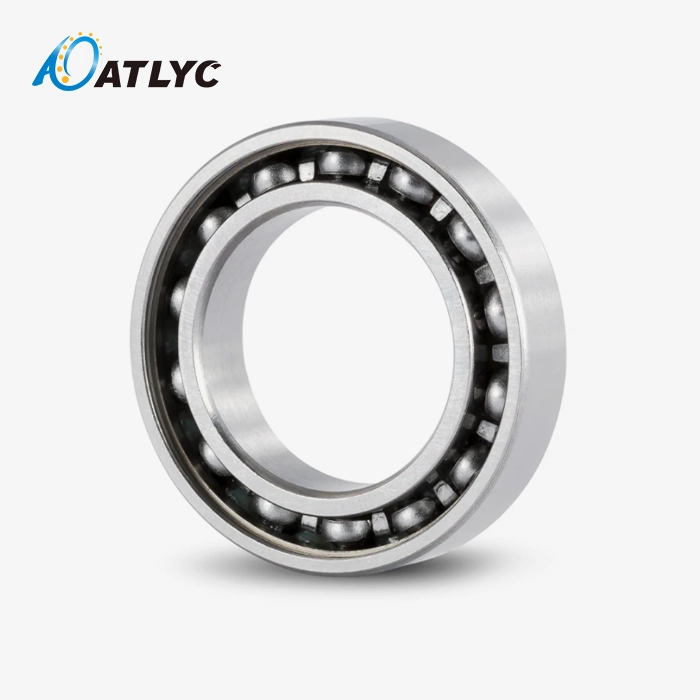
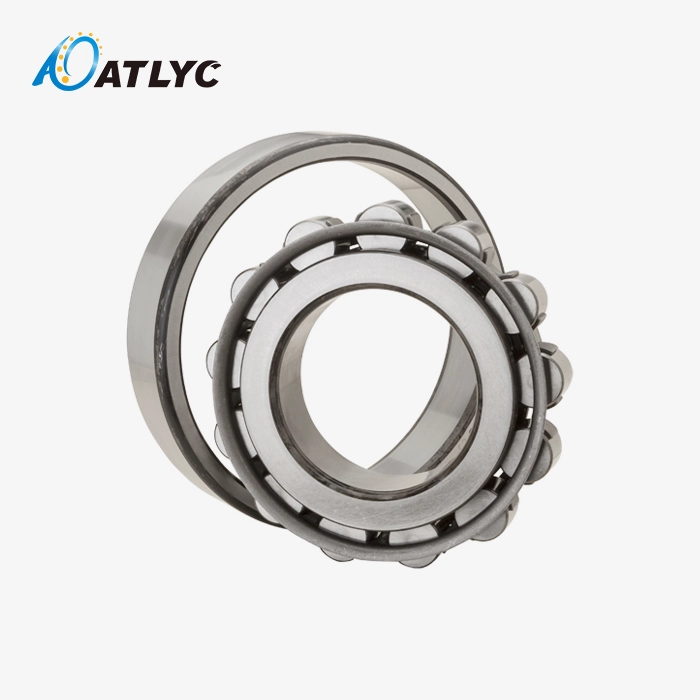
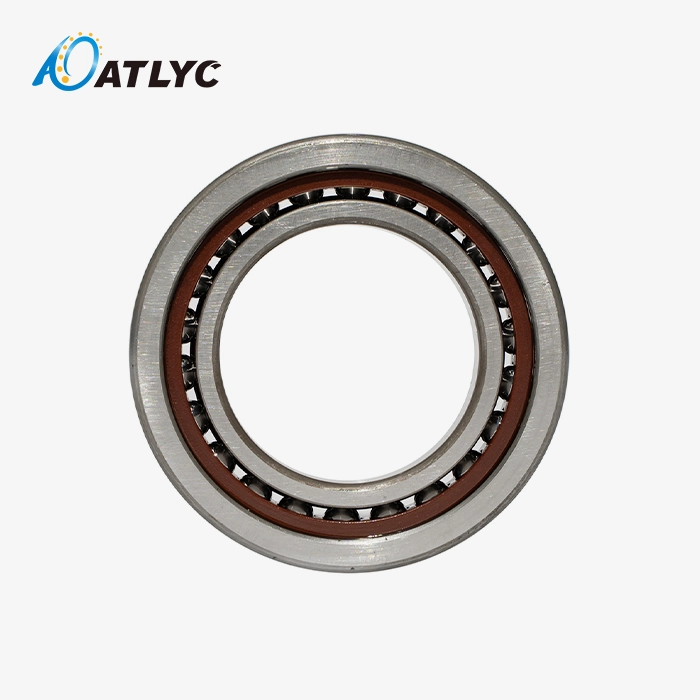
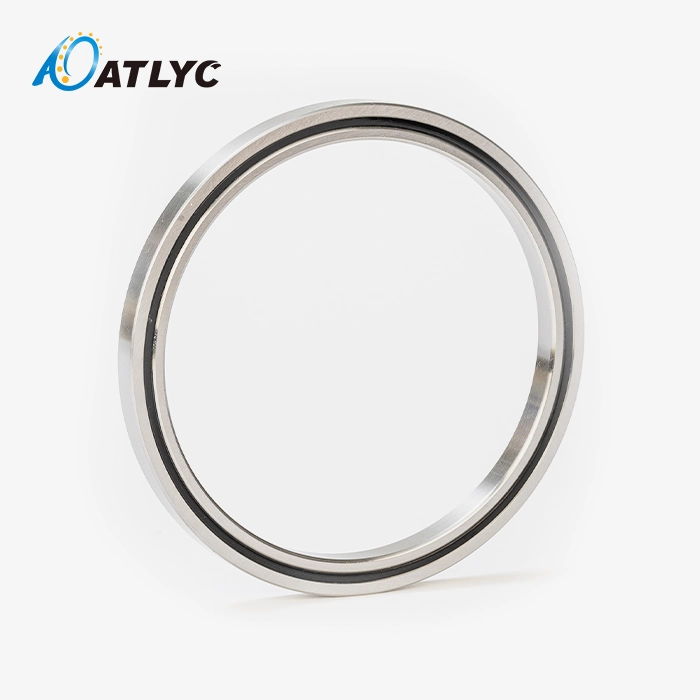
When selecting between the RB4010 cross roller bearing and the CCR2004 solution for automated rotary systems in your manufacturing operation, knowing precise tolerance grades is important. Compact cross roller technology for robotic joint assembly and precision rotary tables. The RB4010 is capable of supporting radial, axial, and moment loads simultaneously in a tiny 10mm profile. This makes it especially suitable for assembly lines in the automobile industry and for industrial apparatus needing precise runout. Your understanding of your application capacity, space, and accuracy needs will lead you to the right specification choice.

Technical Comparison: RB4010 Cross Roller Bearing Architecture
Understanding the engineering principles behind cross roller bearing design helps procurement specialists evaluate whether this technology matches their application requirements compared to alternative solutions.
Structural Design Features
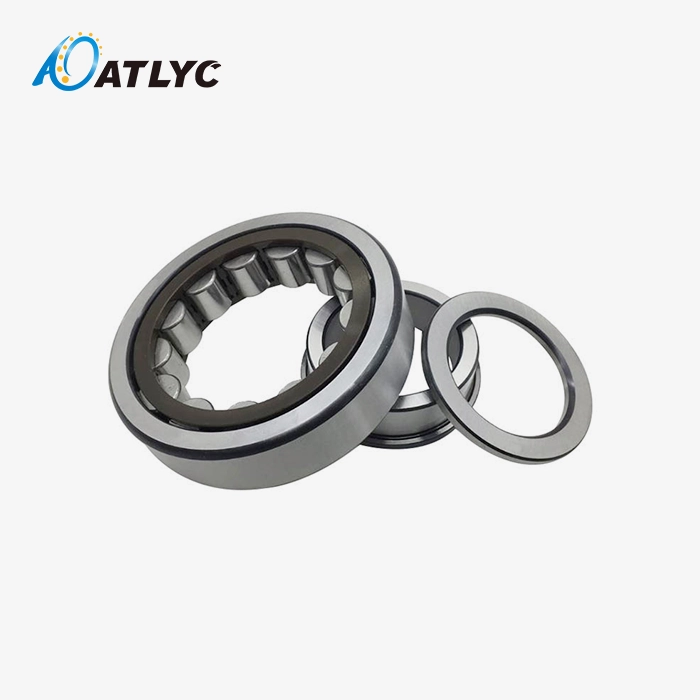
The RB4010 features an inner ring integrated with the main bearing body, while the outer ring incorporates a split construction with plug retention. This split outer ring design simplifies installation in housings with limited access, allowing technicians to mount the bearing from one direction while maintaining structural integrity through proper housing shoulder design. Here are the core performance characteristics that distinguish cross roller technology:
- Load Capacity: Handles radial, axial, and moment loads simultaneously within a single compact unit, replacing traditional dual angular contact bearing arrangements that require precise spacing and preload adjustment.
- Rotational Accuracy: Achieves excellent runout precision due to the crossed-roller geometry, which averages out individual roller tolerances across the full 360-degree rotation, critical for applications like precision rotary tables in machining centers.
- Low Friction Coefficient: Cylindrical roller line contact creates lower rolling resistance compared to ball bearings under equivalent loads, reducing drive torque requirements and heat generation in continuous operation.
- Moment Rigidity: The perpendicular roller arrangement provides exceptional resistance to tilting moments, preventing angular deflection in cantilevered loads common in robotic manipulator joints.
These performance advantages directly address pain points industrial equipment manufacturers face when specifying rotary components. Production robots require repeatable positioning accuracy across millions of motion cycles without backlash accumulation. The RB4010's preload configuration, designated by "CC0" clearance specification, creates controlled internal preload through negative radial clearance typically ranging from -0.008mm to 0mm. This preload eliminates elastic displacement under load, providing zero backlash performance essential for multi-axis coordination.
Application-Specific Performance Data
The crossed-roller architecture proves particularly effective in specific industrial contexts. Rotary tables in five-axis machining centers utilize the RB4010 cross roller bearing to index workpieces accurately while withstanding cutting forces that create complex load vectors. The bearing handles workpiece weight as axial load, horizontal cutting forces as radial load, and overhang moments simultaneously, maintaining positional accuracy during heavy material removal operations.Medical imaging equipment such as CT scanners requires smooth, vibration-free rotation at constant velocity. The integrated ring structure ensures mounting accuracy critical for image quality, while the low-friction characteristics enable quiet operation suitable for patient environments. Semiconductor wafer handling systems demand precision positioning without backlash, particularly in lithography equipment where alignment tolerances measure in nanometers.
| Specification | RB4010UUCC0 | Application Impact |
|---|---|---|
| Inner Diameter | 45mm | Suitable for mid-size robotic joint shafts |
| Outer Diameter | 65mm | Compact footprint for space-constrained assemblies |
| Width | 10mm | Slim profile reduces overall mechanism height |
| Seal Type | UU (Double Seal) | Contamination protection in industrial environments |
| Preload Type | CC0 | Zero backlash for precision positioning |
| Material | GCr15, GCr15SiMn | High load capacity and fatigue resistance |
Installation, Configuration, and Maintenance Considerations
Proper bearing installation directly impacts service life and operational accuracy. Cross roller bearings require attention to mounting surface flatness, housing shoulder perpendicularity, and secure retention methods.
Mounting Surface Preparation
Housing bore and shaft seat surfaces should maintain flatness within 0.01mm across their full diameter to prevent bearing distortion during installation. Perpendicularity between the housing shoulder and bore centerline affects load distribution across rollers. Machining these surfaces to tight tolerances ensures uniform preload distribution and prevents edge loading that accelerates raceway wear. The split outer ring configuration allows installation without pressing the entire assembly through a housing interference fit. Technicians mount the inner ring assembly onto the shaft, position it within the housing, then install the outer ring segments and secure them with the retention plug. This method reduces installation forces that can damage precision-ground surfaces.
Lubrication and Seal Maintenance
Factory-applied lithium-based grease provides initial lubrication adequate for typical duty cycles. Equipment operating in high-temperature environments or under continuous rotation may require periodic relubrication intervals. The sealed bearing design retains lubricant while blocking contaminants, extending maintenance intervals compared to open bearing configurations. Operators should monitor operating temperature during initial run-in periods. Excessive heat generation indicates improper preload, misal-0.008 mm, or contamination. Addressing these issues promptly prevents permanent racewzero-backlashoubleshooting Common Installation Issues
Unusual noise during rotation often stems from improper installation rather than bearing defects. Grinding sounds indicate contamination between rollers and raceways, while clicking suggests inadequate preload, allowing roller skidding. Measuring bearing temperature rise and comparing it against baseline data helps diagnose developing problems before catastrophic failure.
Procurement Insights: Sourcing RB4010 Cross Roller Bearings
Strategic procurement extends beyond comparing technical specifications to encompass supplier reliability, quality assurance, and long-term partnership potential.
Evaluating Manufacturer Capabilities
Production scale directly impacts delivery reliability and cost competitiveness. Established manufacturers operating multiple specialized workshops can maintain buffer inventory for standard sizes while offering customization for unique requirements. Luoyang Auto Bearing Co., Ltd. evolved from a single automated deep groove ball bearing machine shop in 2010 to a comprehensive enterprise spanning six core bearing categories, developing expertise in high-precision cross roller bearing manufacturing. Manufacturing capacity matters particularly when your production ramp-up requires synchronized bearing deliveries. A supplier operating at maximum capacity struggles to absorb volume increases, whereas facilities with scalable production maintain consistent lead times during demand fluctuations.
Quality Certification and Traceability
ISO 9001 and IATF 16949 certifications verify that documented processes govern material sourcing, manufacturing procedures, inspection protocols, and corrective action systems. These certifications matter beyond compliance checkboxes—they demonstrate organizational commitment to consistent quality output. Automotive OEMs increasingly require IATF 16949 certification from bearing suppliers as a qualification criterion for approved vendor lists. Material certifications tracing steel chemistry back to mill test reports provide documentation meeting regulatory requirements in medical device and aerospace applications. This traceability becomes critical when product recalls or field failures require root cause investigation.
Pricing Structure and Volume Discounts
Understanding total cost of ownership requires looking beyond unit price to encompass freight, duty, payment terms, and inventory carrying costs. Manufacturers offering bulk purchase options for distributors and OEMs typically structure volume-tiered pricing that reduces per-unit costs as order quantities increase.
| Order Quantity | Unit Price Range | Lead Time | Customization Availability |
|---|---|---|---|
| 10-100 units | Standard catalog pricing | 2-3 weeks | Limited |
| 100-500 units | Volume discount tier 1 | 3-4 weeks | Standard modifications |
| 500+ units | Volume discount tier 2 | 4-6 weeks | Full custom specifications |
Global supply chain considerations include shipping logistics, customs clearance, and local warehousing. Manufacturers experienced in export markets to South Korea, the USA, Germany, Russia, Iran, and Turkey understand documentation requirements, preferred shipping carriers, and regional distribution networks that accelerate delivery.
After-Sales Support and Technical Assistance
Technical support capabilities differentiate transactional suppliers from strategic partners. Application engineering assistance helps specify appropriate accuracy classes, preload configurations, and seal types for your specific equipment requirements. This front-end support prevents costly redesigns when standard catalog products don't precisely match application demands. Warranty coverage terms, return merchandise authorization procedures, and field failure analysis services demonstrate the manufacturer's commitment beyond the initial sale. When production equipment experiences unexpected bearing failure, rapid technical response minimizes downtime costs that often exceed bearing replacement expenses.
Decision Support: Selecting Cross Roller Bearings for Industrial Applications
Matching bearing technology to application requirements requires systematic evaluation of operational parameters, environmental conditions, and performance priorities.
Use Case Scenario Analysis
High-precision robotics applications demand bearings that maintain positional accuracy across millions of motion cycles. The RB4010 cross roller bearing delivers moment rigidity, preventing deflection during rapid positioning movements common in pick-and-place operations. The preload configuration ensures repeatability in multi-axis systems where accumulated backlash compounds positional errors. Machining center rotary tables experience combined loads from workpiece weight, cutting forces, and tool overhang. The simultaneous multi-directional load capacity of cross roller bearings suits this application better than separate radial and thrust bearing arrangements that complicate housing design and increase assembly stack height. Medical equipment emphasizes smooth, quiet operation with minimal vibration. The crossed-roller design provides steady low-torque rotation suitable for diagnostic imaging equipment where motor noise interferes with patient comfort. The integrated ring structure simplifies housing design while ensuring mounting accuracy critical for optical alignment.
Long-Term Reliability Considerations
Service life predictions based on ISO 281 bearing life calculations provide estimated L10 life under specified operating conditions. Cross roller bearings typically exhibit longer calculated life under combined loading compared to ball bearings due to superior load distribution across line contact surfaces. Maintenance accessibility influences the total cost of ownership. Sealed bearings extend lubrication intervals, reducing scheduled downtime for routine maintenance. Equipment designed for continuous operation benefits from this extended service life between interventions.
Supplier Partnership Evaluation
Beyond product specifications, supplier selection should evaluate long-term partnership potential. Manufacturers demonstrating continuous improvement initiatives, engineering support capabilities, and responsive customer service create value beyond transactional bearing supply. Companies with 15 years of operational history have weathered economic cycles, supply chain disruptions, and technology transitions. This longevity indicates financial stability and market acceptance that matter when specifying critical components with multi-year product lifecycles.

Conclusion
Selecting between bearing technologies for industrial rotary applications requires balancing technical performance, quality assurance, procurement logistics, and supplier partnership potential. The RB4010 cross roller bearing delivers compact, high-capacity rotary motion solutions suitable for robotic joints, precision positioning tables, medical equipment, and automated manufacturing systems. Its integrated design, handling simultaneous radial, axial, and moment loads within a slim profile, addresses space-constrained applications where traditional bearing arrangements prove impractical. Procurement decisions should evaluate manufacturer certifications, production capacity, technical support capabilities, and demonstrated export experience alongside product specifications. Strategic supplier partnerships built on quality consistency, reliable delivery, and responsive engineering support create competitive advantages extending beyond component cost considerations.
FAQ
Q: What distinguishes cross roller bearings from angular contact ball bearings?
A: Cross roller bearings position cylindrical rollers perpendicular at 90-degree intervals, creating line contact with raceways that distributes loads across larger surface areas compared to point contact in ball bearings. This geometry provides higher load capacity and moment rigidity within more compact packaging.
Q: Which accuracy grade should I specify for my application?
A: Precision positioning equipment, such as measuring instruments and IC manufacturing devices, typically requires P4 or P2 accuracy classes. General industrial robots and machining center rotary tables often perform adequately with P5 accuracy. Higher precision grades increase bearing cost, so the specification should match the actual application requirements.
Q: How does preload configuration affect bearing performance?
A: The CC0 preload creates negative radial clearance eliminating internal play, providing zero backlash essential for precision positioning. This preload increases bearing rigidity and rotational accuracy while slightly increasing friction and heat generation compared to clearance-fit configurations.
Partner with ATLYC for High-Precision RB4010 Cross Roller Bearings
ATLYC delivers engineered bearing solutions backed by ISO 9001 and IATF 16949 certified manufacturing across six specialized production workshops. Our RB4010 cross roller bearing series combines precision-ground GCr15 steel construction with integrated seal protection, serving automotive OEMs, industrial equipment manufacturers, and global bearing distributors requiring consistent quality and reliable delivery. With 15 years of export experience to demanding markets across North America, Europe, and Asia, we understand procurement priorities balancing technical specifications with total cost of ownership. Contact our engineering team at auto@lyautobearing.com to discuss your application requirements, request technical datasheets, or inquire about volume pricing for RB4010 suppliers supporting your production schedule. Our responsive support ensures you specify the optimal bearing configuration for your equipment's performance and longevity requirements.
References
1. Harris, T.A. and Kotzalas, M.N. (2006). Rolling Bearing Analysis: Essential Concepts of Bearing Technology. CRC Press, Fifth Edition.
2. ISO 281:2007. Rolling Bearings — Dynamic Load Ratings and Rating Life. International Organization for Standardization.
3. Witte, D.C. (1973). "Operating Torque of Tapered Roller Bearings," ASLE Transactions, Vol. 16, Issue 1, pp. 61-67.
4. Palmgren, A. (1959). Ball and Roller Bearing Engineering. SKF Industries Inc., Third Edition.
5. Eschmann, P., Hasbargen, L., and Weigand, K. (1985). Ball and Roller Bearings: Theory, Design and Application. John Wiley & Sons, Second Edition.
6. ISO 199:2014. Rolling Bearings — Thrust Bearings — Geometrical Product Specifications (GPS) and Tolerance Values. International Organization for Standardization.
Learn about our latest products and discounts through SMS or email