- English
- French
- German
- Portuguese
- Spanish
- Russian
- Japanese
- Korean
- Arabic
- Greek
- German
- Turkish
- Italian
- Danish
- Romanian
- Indonesian
- Czech
- Afrikaans
- Swedish
- Polish
- Basque
- Catalan
- Esperanto
- Hindi
- Lao
- Albanian
- Amharic
- Armenian
- Azerbaijani
- Belarusian
- Bengali
- Bosnian
- Bulgarian
- Cebuano
- Chichewa
- Corsican
- Croatian
- Dutch
- Estonian
- Filipino
- Finnish
- Frisian
- Galician
- Georgian
- Gujarati
- Haitian
- Hausa
- Hawaiian
- Hebrew
- Hmong
- Hungarian
- Icelandic
- Igbo
- Javanese
- Kannada
- Kazakh
- Khmer
- Kurdish
- Kyrgyz
- Latin
- Latvian
- Lithuanian
- Luxembou..
- Macedonian
- Malagasy
- Malay
- Malayalam
- Maltese
- Maori
- Marathi
- Mongolian
- Burmese
- Nepali
- Norwegian
- Pashto
- Persian
- Punjabi
- Serbian
- Sesotho
- Sinhala
- Slovak
- Slovenian
- Somali
- Samoan
- Scots Gaelic
- Shona
- Sindhi
- Sundanese
- Swahili
- Tajik
- Tamil
- Telugu
- Thai
- Ukrainian
- Urdu
- Uzbek
- Vietnamese
- Welsh
- Xhosa
- Yiddish
- Yoruba
- Zulu
RB4010UUCC0 Cross roller bearing Specifications and Applications
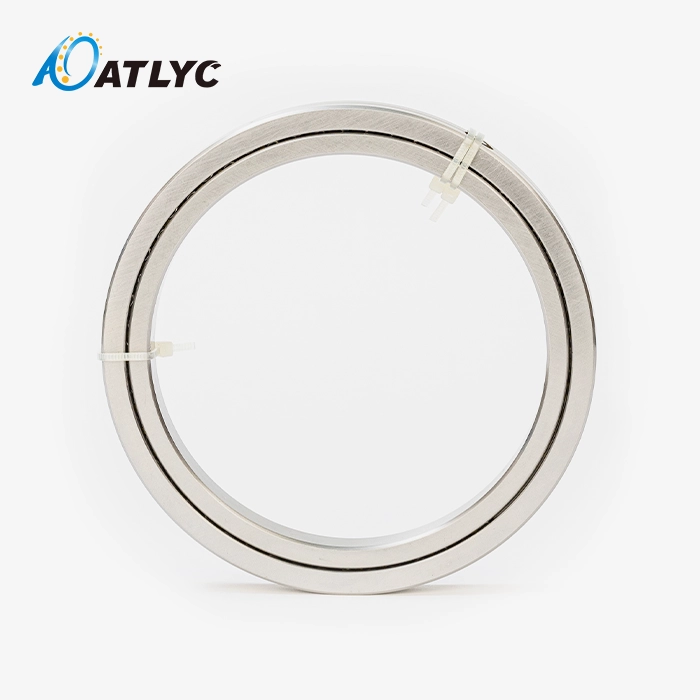
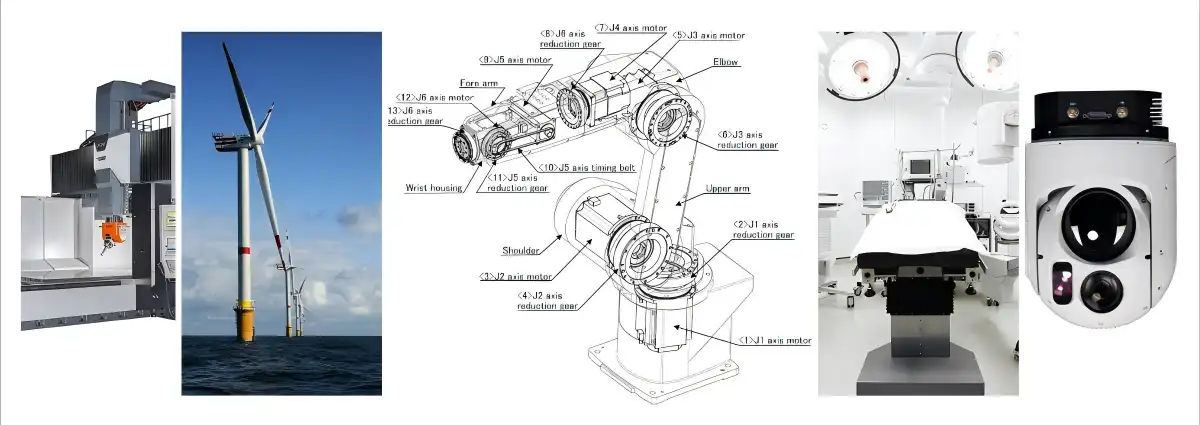
The RB4010UUCC0 cross roller bearing represents an advanced solution for precision rotary motion systems where engineers demand simultaneous handling of radial, axial, and moment loads. Featuring an integrated inner ring and split outer ring with secure plugs, this bearing measures 45mm inner diameter, 65mm outer diameter, and 10mm width. The crossed-roller architecture uses GCr15 or GCr15SiMn bearing steel, delivering exceptional rigidity and runout accuracy across precision classes P6, P0, P5, P4, and P2. Sealed with double UU protection and CC0 preload configuration, it excels in robotic joints, machining center rotary tables, medical imaging equipment, and semiconductor manufacturing devices where contamination resistance and zero backlash performance prove essential.
Understanding RB4010UUCC0 Cross Roller Bearing Specifications
Cross roller bearings are good for long-term problems that regular ball bearings can't fix. The unique design philosophy behind this bearing technology is very helpful when your automation equipment needs to handle loads going in more than one direction at the same time without losing its compactness.
Design Architecture and Load Distribution
The cross roller bearing's perpendicular roller arrangement is what makes it so strong. In carefully polished V-groove raceways, cylindrical wheels move back and forth at 90-degree angles, making what engineers call "line contact" instead of "point contact." Because of this basic difference, each wheel can spread forces over a bigger surface area, which greatly reduces contact stress. When a robotic arm is moving, it experiences radial pressure from the weight of the object it is holding, axial forces during acceleration, and moment loads from overhang placement. The crossed arrangement can handle all three at the same time in a single small unit. Because of practical installation limitations, the split outer ring configuration is used. Solid outer rings need the whole housing to be taken apart, but the plugged design only needs to be mounted from one side, and the structure will stay together thanks to the right retention mechanisms. This feature cuts down on the time it takes to put together and maintain machinery with complicated plans.
Technical Specifications and Material Science
Dimensional accuracy is the basis of how well a bearing works. The RB4010UUCC0 Cross roller bearing has a 45mm inner diameter, a 65mm outer diameter, and a 10mm width. It can hold a lot of weight while taking up very little room along its length. When engineers are building robotic wrist systems or indexing tables with limited room, this small envelope makes it easier to choose the right parts. Choice of material has a direct effect on dependability and service life. GCr15 bearing steel, which is the same as SAE 52100, is through-hardened to HRC 58–64, which makes it very resistant to wear and strong over time. The different GCr15SiMn mix has silicon and manganese added to it, which makes it harder to soften and more stable when it's tempered. This is especially helpful in situations where the temperature changes or there are shock loads. Different types of precision, from P6 (standard) to P2 (ultra-precision), can be used for different kinds of tasks. A P5-class bearing keeps radial runout within 2.5 microns, which makes it good for machine tool spindles. The P4 and P2 classes, on the other hand, achieve sub-micron accuracy that is needed by semiconductor wafer positioning systems and coordinate measuring machines.
Sealing System and Preload Configuration
The double-seal designation (UU) includes contact seals made of synthetic rubber on both sides of the bearing. These seals keep the lithium-complex grease that was applied at the factory, which is made to work in a wide range of temperatures, while keeping out the dirt and dust that are common in industrial settings. The performance of sealed bearings stays the same with little upkeep, while open bearings need to be re-oiled often. You should give the CC0 clearance standard a lot of thought. The CC0 configuration makes a controlled negative clearance between -8 and 0 microns, while standard bearings have positive internal clearance that lets heat expand. This preload stops the elastic displacement under load, so positional directions are immediately carried out without any backlash. The preloaded bearing stops any lag or overshoot that would hurt the accuracy of the cutting when a CNC rotating table aligns to a new angular point.
Applications and Benefits of RB4010UUCC0 Cross Roller Bearing
When procurement teams know where this bearing technology delivers the most value, they can better match the selection of parts with the needs of operations. The ability to carry loads in multiple directions, small size, and sealed security all work together to make this product useful in many different industries.
Industrial Robotics and Automation
Heavy-duty industrial manipulators and collaborative robots depend on joint bearings that keep their positions accurate even when loads and speeds change. RB4010UUCC0 Cross roller bearings in the elbow and wrist assemblies keep them from deflecting during fast motion sequences. The moment stiffness of the bearings makes sure that the robot can lift 50 kg loads over and over again and place them with ±0.1 mm accuracy. This keeps working for millions of cycles. The sealed design keeps metal chips, coolant spray, and airborne particles that are common in car assembly plants and manufacturing shops from getting into the internal parts. Traditional open bearings need to be cleaned and oiled more often, which increases the cost of maintenance and downtime. Sealed cross roller versions have much longer service intervals, which lowers the total cost of ownership.
Precision Machine Tool Components
The rotating tables and turning heads used in machining centers need to be very stiff to handle cutting loads. Milling creates strong radial forces when the tools engage, axial thrust when the feed rates are high, and overturning moments when the tools hang over the workpiece. The line contact shape of the bearing evenly spreads these combined loads, keeping the table flat and in the right place while metal is being removed. Stability at high temperatures is also very important. Changes in bearing clearance can affect the accuracy of measurements as machines warm up during long production runs. The way the preload is set up in these bearings accounts for heat growth, so the stiffness stays the same across the whole temperature range. Holding tolerances within 5 microns on precision parts during multi-hour machining cycles is possible because of this feature.
Medical Imaging and Diagnostic Equipment
Heavy X-ray tube systems and detector arrays are rotated around patients by CT machines at controlled speeds while keeping them perfectly aligned. Any shaking or runout of the bearings causes picture artefacts that lower the quality of the diagnosis. The crossed-roller design allows for smooth, low-torque rotation with little radial and axial runout. This lets reconstruction algorithms make images that are free of artefacts and clear. Lubricant can't move into sensitive areas where contamination control is important because the sealed bearing design stops it. Manufacturers of medical devices like parts that can be put together in a cleanroom and work reliably without any upkeep needed during the warranty time.
Semiconductor Manufacturing Systems
Robots that handle wafers and inspection tools place silicon wafers across sterile production lines with accuracy of less than a micron. The bearing's ability to keep zero backlash even when the acceleration changes makes sure that the position stays the same, which is important for photolithography alignment and metrology measurements. Because the environment is sensitive, sealed protection against contamination is needed, while UHV compatibility is still needed. When you compare operating traits, you can measure the benefits. To get the same load capacity, traditional ball bearing sets need 30 to 40 percent more axial room. Linear bearing systems are good at supporting loads in a single direction, but they don't have the moment stiffness that is needed for cantilever uses. Angular contact bearing pairs can handle combined loads, but they make it harder to set the preload and make sure the bearings are mounted accurately. The combined cross roller design combines these functions into a single part, which makes the planning and assembly processes easier.
Comparing RB4010UUCC0 with Other Cross Roller Bearings
To choose the best bearing specifications, you need to know how changes in size and brand affect performance and value. Clear comparisons that match the features of parts to the needs of the application and the budget of the buyer are helpful for procurement pros.
Dimensional Variants and Performance Scaling
Key details are shown by the bearing designation method. The RB4010 series has a 40mm hole and a 10mm width, and the RB4012 series has the same bore but a 12mm width. The extra width gives you more rollers and longer contact length, which increases the load capacity by about 20% but takes up more horizontal room. Engineers choose the narrower profile when space limitations are the most important factor, even if it means a slightly lower capacity. They choose the wider profile when maximum stiffness supports the extra height.
| Model | Inner Diameter | Outer Diameter | Width | Dynamic Load Rating | Static Load Rating |
|---|---|---|---|---|---|
| RB4010UUCC0 | 45mm | 65mm | 10mm | 8.2 kN | 11.5 kN |
| RB4012UUCC0 | 45mm | 65mm | 12mm | 9.8 kN | 13.8 kN |
| RB5013UUCC0 | 55mm | 80mm | 13mm | 14.2 kN | 20.1 kN |
Load rates have a direct effect on the choice of bearing. The RB4010UUCC0 Cross roller bearing version can handle dynamic loads of up to 8.2kN and static loads of up to 11.5kN. It can be used for light-duty indexing and collaborative robot joints. Moving up to bigger frame sizes with higher capacities is better for machines that make a lot of force, like heavy cutting centers or big industrial manipulators.
Brand Positioning and Quality Standards
The luxury cross roller bearing market is led by NSK and THK, which are both well-known for their precision bearing technology. These Japanese companies offer a lot of scientific help, a lot of detailed information, and a track record of success in tough situations. Their goods are usually priced 40–60% higher than those made in China. This is because they have very tight standards, a better surface finish, and strict quality control. Chinese companies that make things, like Luoyang Auto Bearing and other specialised bearing makers, offer great value. Getting ISO 9001 and IATF 16949 certifications shows that you are committed to quality management systems that meet international standards. Chinese suppliers can reach P5 and P4 precision levels that meet most industrial needs thanks to their modern inspection and grinding tools. Because of the lower cost, OEMs can choose high-quality bearings while still keeping the price of the product low. Performance testing shows the real changes. Premium Japanese bearings have very low noise levels and little torque change, which is important for medical equipment that needs to be quiet or for ultra-smooth tracking uses. Precision-grade bearings made in China work reliably in industrial settings where small changes in torque can't be felt, and cost plays a big role in choosing which parts to use.
Lead Time and Availability Considerations
Production schedules and stocking prices are affected by how reliable the supply chain is. Well-known international brands keep regional stock on hand through their distributor networks, which lets standard configurations be delivered in one to two weeks. Custom specifications or sizes that aren't standard require factory production, which can take up to 12 weeks and often requires a minimum order quantity. Having direct links with Chinese sources as a manufacturer gives you more freedom. Standard bearing configurations can be shipped within two to three weeks, and custom modifications can be made to meet the needs of a specific application without requiring large minimum orders. This flexibility helps OEMs create new equipment designs or aftermarket dealers serve a wide range of customers with different bearing requirements.
The following comparison makes decision factors clearer for all types of suppliers:
| Criterion | Japanese Premium (NSK/THK) | Chinese Precision (ATLYC) |
|---|---|---|
| Price Point | Baseline +50-60% | Competitive baseline |
| Precision Class | P4, P2 standard | P5, P4 available |
| Lead Time (Stock) | 1-2 weeks | 2-3 weeks |
| Lead Time (Custom) | 8-12 weeks | 4-6 weeks |
| MOQ Custom Orders | 50-100 pieces | 20-50 pieces |
| Technical Support | Extensive global | Direct factory engineering |
Procurement Guide for RB4010UUCC0 Cross Roller Bearing
A good bearing procurement plan balances quality control, cost control, and the dependability of the supply chain. Knowing about sourcing channels and verification methods can help you avoid buying fake parts and make your purchases go more smoothly.
Supplier Selection and Authentication
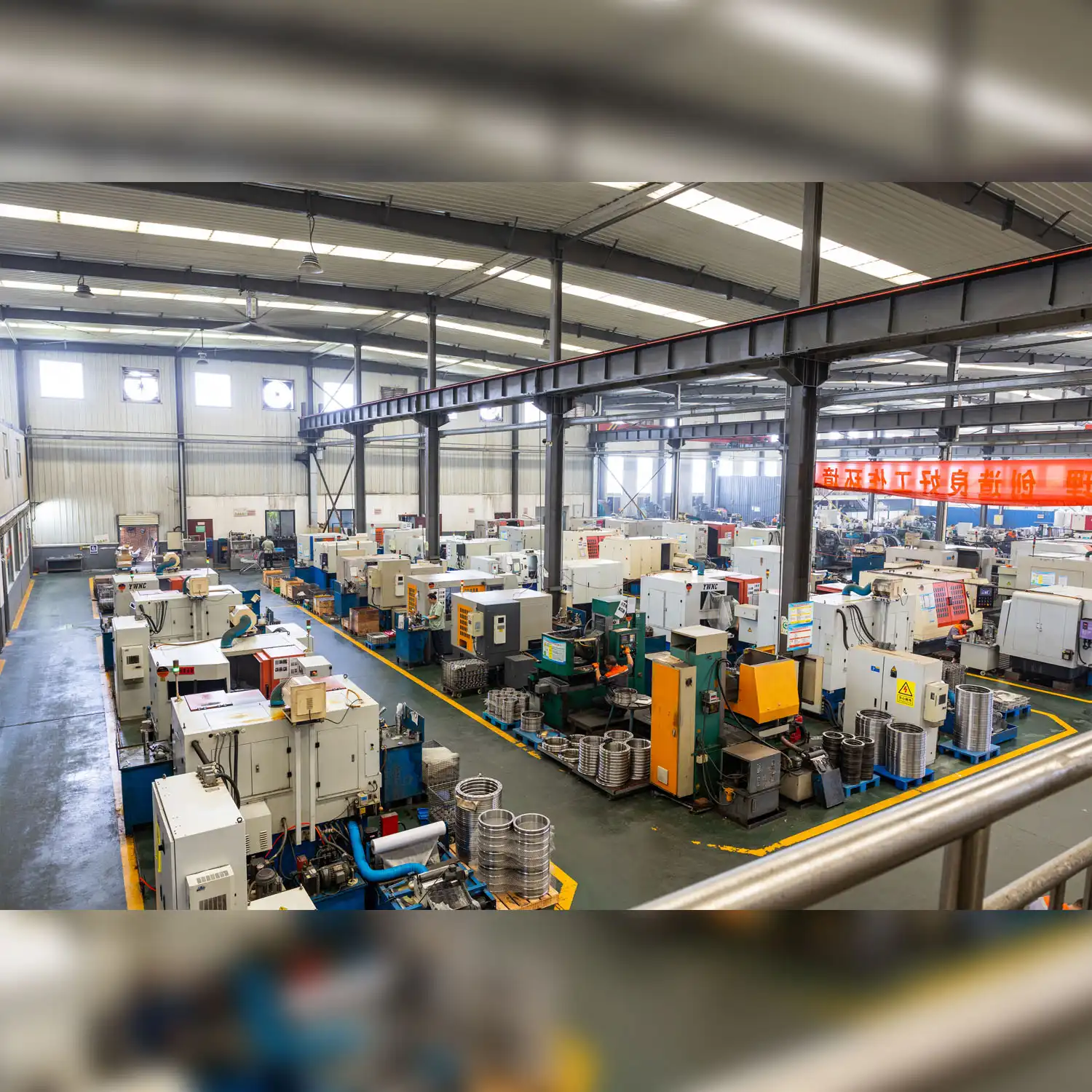
Direct contact with manufacturers makes it clear what they can make and how they check the quality of their products. Ask possible providers for facility certifications such as ISO 9001 quality management and IATF 16949 car quality standards when you are examining them. These certifications show organised ways of controlling the production process, doing inspections, and always making things better, all of which have a direct effect on the consistency of the products. A manufacturing capacity estimate shows how much can be made and what kinds of technologies can be used. A bearing factory with more than 120 workers, six specialised workshops, and 15 years of business shows that the company is stable and has put money into building up good infrastructure. Professional manufacturers can be told apart from trading companies that sell fake goods by automated grinding equipment, climate-controlled measurement rooms, and written inspection protocols. Measures of authentication keep fake bearings that hurt the trustworthiness of equipment at bay. Real goods have consistent part markings, accurate packaging, and lot codes that can be tracked. For first orders, ask for material certifications and measurement inspection reports. This will help you set standards for future deliveries. When you receive something, you should check it physically to make sure it is the right size, has a good finish, and can rotate smoothly without any flaws that can be seen.
Pricing Dynamics and Order Optimization
The prices of bearings are based on the cost of materials, the level of precision, the type of sealing, and the number of orders. Because they are made with more steps, standard open bearings are cheaper than sealed ones. For precision classes above P5, it takes longer to grind and check, which makes costs go up by the same amount. RB4010UUCC0 Cross roller bearing: figuring out these factors lets you make reasonable budgets and improve specifications.OEMs and distributors can use volume pricing to their advantage. Tier pricing is usually unlocked with a minimum order quantity of 50 to 100 pieces. This lowers the cost per unit by 15 to 25 percent compared to small-lot purchases. Annual blanket orders with planned releases balance the costs of keeping inventory with bulk savings. This is especially helpful for equipment makers whose production plans are easy to predict. Costs and operational flexibility are both affected by planning for lead times. Standard configurations from stock allow for quick prototyping and small-scale production without having to pay extra for faster service. Planning production orders 6 to 8 weeks ahead of time allows for normal manufacturing processes and the best prices. On the other hand, rush orders that require schedule interruptions cost 20 to 30 percent more, which affects the project's economy.
Quality Verification and Warranty Coverage
Before installation, incoming screening procedures check the quality of the bearings. Dimensional checks make sure that the bore, outer diameter, and width meet the requirements. Using precision indicators to measure runout confirms that both radial and axial accuracy is in line with the specified precision class. Rotation torque testing finds problems like too much loading or pollution that could hurt performance. For production flaws, warranty terms give you a way to get your money back. Suppliers with a good reputation will cover problems with the material or the work for 12 months as long as they are used in the right way. Clearly writing down working conditions, maintenance routines, and the need for failure analysis helps everyone understand. Keeping installation records and working logs helps with insurance claims if something breaks down too soon. Long-term ties with suppliers have benefits that go beyond single deals. Equipment makers can manage product lifecycles that last for years with the help of stable pricing, responsive technical support, and consistent quality. Working together allows for personalised changes, optimisations that are specific to an application, and proactive obsolescence management that keeps product lines from having problems with getting parts.
Maintenance and Longevity of RB4010UUCC0 Bearings
Proper fitting, management of lubrication, and control of working conditions all contribute to extending the life of bearings and keeping machines running. Knowing the best ways to do maintenance cuts down on the total cost of ownership and makes sure that the system works reliably for the full expected life.
Installation Procedures and Mounting Precision
When installing bearings correctly, they don't fail before they should. Thoroughly clean the matching surfaces, getting rid of any burrs, paint, or other dirt that makes the support uneven. The housing and shaft tolerances have a big effect on how well the bearing works. For preloaded cross roller bearings, the h7 shaft tolerance and H7 housing bore tolerance are the right sizes. Tighter tolerances put too much stress on the bearing, which makes it overheat and speeds up wear. Loose fits, on the other hand, let corrosion and fretting happen and cause the preload to be lost. When installing, the split outer ring needs to be handled carefully. The retaining plug design keeps the two halves of the ring together while it's being shipped, but they need even pressure when they're pressed into housings. Instead of putting force through rolling elements, which damages the race, use the right press plates that touch the outside of the ring. The split ring assembly is held together by housing shoulders or retaining plates, so it doesn't come apart while it's working. Preload and clearance are affected by temperature. Differential temperature expansion between bearing steel and aluminium or steel housings can change the interior clearance as the assembly warms up during use. The CC0 preload standard takes into account normal temperature increases, but in the worst cases, thermal research is needed. Bearing materials and housing choices that keep clearance changes to a minimum across the working range are best for applications where temperatures change a lot.
Lubrication Management and Regreasing Intervals
Sealed bearings come pre-greased with lithium-complex mixtures that can be used in a wide range of commercial settings. The seals do a good job of keeping this grease in, so normal-duty uses don't need to re-grease as often. Sealed bearings can work without any upkeep for 5,000 to 10,000 hours, based on the load and the environment, when the temperature is below 80°C and the speed is moderate. Proactive regreasing is okay for heavy-duty uses or dirty environments. A lot of cross roller bearings have grease holes in the outer ring, which lets you grease them regularly without taking the whole thing apart. Regreasing every 6 to 12 months works well in tough conditions, and compatible lithium-complex greases should be used to avoid problems with not working with each other. Slowly add grease while turning the bearing, letting any extra flow through the seals to make sure the bearing is filled without going over the recommended pressure, which can damage the seals. Monitoring operating conditions finds problems as they arise, before they become major problems. If you test the temperature, you can see if the heat is coming from something that isn't normal, like not enough oil, contamination, or overload. Through characteristic frequency patterns, vibration analysis shows how wear and contamination get into a system. Rotation torque checks done on a regular basis find worn-out seals or damage inside the machine that needs repair. Using condition-based maintenance to plan when to replace bearings is the best way to avoid both premature replacement and failures that aren't expected.
Environmental Factors and Service Life Optimization
Contamination control protects the integrity of bearings. Even though seals keep most particles out, how they are installed can affect how well they work in the long run. The risk of leakage is lower when mounting bearings with seal lips facing away from the main sources of contamination. Adding external labyrinth seals or screens gives extra safety in places that are very dusty or wet, where regular seals don't work well. Controlling the temperature makes bearings last a lot longer. The amount of heat produced by friction depends on the loading, the speed, and how well the friction is lubricated. Keeping the operating temperature below 80°C stops the breakdown of lubricants and the softening of materials, both of which speed up wear. For the best bearing conditions, especially in continuous-duty applications, equipment designs that include cooling airflow, heat sinking, or temperature monitoring are recommended. Load optimisation keeps fatigue failures from happening too soon. Cross roller bearings can handle heavy loads, but using them near their highest values all the time drastically shortens their fatigue life. When you design for 70–80% of the stated capacity, you leave room for safety gaps that can handle shock loads and changes in load, and the bearings last decades instead of years. Application analysis that finds the real load profiles lets you choose the right bearings with enough room for error.
Conclusion
The RB4010UUCC0 Cross roller bearing has a small 45x65x10mm size but can handle loads going in multiple directions, perform precisely, and be protected by a seal. Its crossed-roller design can handle radial, axial, and moment loads at the same time, which is easier than having to set up multiple bearings. It comes in precision classes from P6 to P2 and is made of GCr15 or GCr15SiMn materials with a CC0 preload. It is used in robotic joints, machine tool rotary tables, medical imaging equipment, and systems that make semiconductors. When you choose the right supplier, check the quality, and do regular maintenance, you can get the most out of their performance and make sure they last as long as possible. This is especially important in industrial settings where accuracy and durability are essential.
FAQ
What distinguishes the CC0 preload specification in the RB4010UUCC0?
The number CC0 means that the radial clearance is negative and between -8 and 0 microns. This creates controlled internal preload. This preload stops the bearing from deflection when it's loaded, giving it zero backlash and the highest level of stiffness, which is important for precise placement tasks.
How does the split outer ring affect installation requirements?
The split outer ring with locking plug lets you place it on only one side of a housing that is hard to get to. When mounting, use the right press plates to apply even pressure to the outside face of the ring. Then, use house shoulders or holding plates to keep the structure solid during operation.
What maintenance intervals suit sealed RB4010UUCC0 bearings?
Under normal settings, pre-greased sealed bearings work for 5,000 to 10,000 hours without any upkeep. For heavy-duty uses, regreasing through the outer ring grease fitting every 6 to 12 months with lithium-complex mixtures that work well together helps keep the lubrication film in place and stops contamination damage.
Can this bearing specification handle high-speed rotation?
Instead of speed, cross roller bearings focus on stiffness and load capacity. The CC0 preload and seal friction work well at low to medium speeds, which are common in robotic joints and scanning tables. For applications that need a constant high speed, there are different types of bearings that are made to meet those needs.
Partner with ATLYC for Reliable Cross Roller Bearing Solutions
ATLYC was founded in 2010 as Luoyang Auto Bearing Co., Ltd. They make high-precision RB4010UUCC0 Cross roller bearings and are certified by both ISO 9001 and IATF 16949. Our 120-person team runs six specialised workshops that make high-precision bearings that people in South Korea, the US, Germany, Russia, Iran, and Turkey trust. As a manufacturer of RB4010UUCC0 Cross roller bearings with 15 years of experience, we offer competitive prices, flexible minimum order quantities, and standard lead times of two to three weeks. For detailed specifications, application engineering help, and volume quotes that are made just for your automation, machine tool, or robotics projects, email our procurement specialists at auto@lyautobearing.com. We offer real bearings that come with material certifications, dimensional inspection reports, and full warranty coverage to meet your quality standards and production schedules.
References
1. Harris, T.A. and Kotzalas, M.N. (2006). Advanced Concepts of Bearing Technology: Rolling Bearing Analysis, Fifth Edition. CRC Press, Taylor & Francis Group.
2. ISO 5593:1997. Rolling Bearings — Vocabulary. International Organization for Standardization, Geneva, Switzerland.
3. Weck, M. and Brecher, C. (2006). Werkzeugmaschinen 2: Konstruktion und Berechnung [Machine Tools 2: Design and Calculation], 8th Edition. Springer-Verlag, Berlin.
4. Schaeffler Technologies AG & Co. KG. (2016). Rolling Bearings: Design Considerations and Application Examples. Technical Handbook, Herzogenaurach, Germany.
5. NSK Ltd. (2018). Precision Cross Roller Bearings: Technical Reference Guide. Motion & Control Division, Tokyo, Japan.
6. Society of Tribologists and Lubrication Engineers. (2020). Bearing Lubrication and Condition Monitoring in Industrial Applications, STLE Special Publication SP-68, Park Ridge, Illinois.
Learn about our latest products and discounts through SMS or email