- English
- French
- German
- Portuguese
- Spanish
- Russian
- Japanese
- Korean
- Arabic
- Greek
- German
- Turkish
- Italian
- Danish
- Romanian
- Indonesian
- Czech
- Afrikaans
- Swedish
- Polish
- Basque
- Catalan
- Esperanto
- Hindi
- Lao
- Albanian
- Amharic
- Armenian
- Azerbaijani
- Belarusian
- Bengali
- Bosnian
- Bulgarian
- Cebuano
- Chichewa
- Corsican
- Croatian
- Dutch
- Estonian
- Filipino
- Finnish
- Frisian
- Galician
- Georgian
- Gujarati
- Haitian
- Hausa
- Hawaiian
- Hebrew
- Hmong
- Hungarian
- Icelandic
- Igbo
- Javanese
- Kannada
- Kazakh
- Khmer
- Kurdish
- Kyrgyz
- Latin
- Latvian
- Lithuanian
- Luxembou..
- Macedonian
- Malagasy
- Malay
- Malayalam
- Maltese
- Maori
- Marathi
- Mongolian
- Burmese
- Nepali
- Norwegian
- Pashto
- Persian
- Punjabi
- Serbian
- Sesotho
- Sinhala
- Slovak
- Slovenian
- Somali
- Samoan
- Scots Gaelic
- Shona
- Sindhi
- Sundanese
- Swahili
- Tajik
- Tamil
- Telugu
- Thai
- Ukrainian
- Urdu
- Uzbek
- Vietnamese
- Welsh
- Xhosa
- Yiddish
- Yoruba
- Zulu
What Grade Steel for SX011814 Cross Roller Bearing?
GCr15 and GCr15SiMn steel types are mostly used in the SX011814 Cross roller bearing. GCr15, which is the same as international numbers 100Cr6 or SUJ2, is the standard for making high-precision bearings. After being heated, it has a hardness of about 60-65 HRC. Because it is made of silicon and manganese, GCr15SiMn is better for ultra-thin profile bearings that are exposed to shock loads because it can be hardened and is tougher. Both materials have the wear resistance, stress resistance, and physical stability that precision cross-roller bearings need.
Understanding the Importance of Steel Grade in SX011814 Cross Roller Bearings
When we talk about precision parts that support robotic joints or spinning tables in a machine center, we always come back to material science. The choice of steel grade affects whether your bearing will last millions of accurate cycles or break down early from stress for the SX011814 Cross roller bearings.
How Steel Properties Affect Bearing Performance
The SX011814 Cross roller bearing is made up of V-groove raceways with circular rollers placed at right angles to each other. This setup makes line contact areas that spread the load along the length of the wheel. The steel has to be able to handle contact loads of more than 1,500 MPa while keeping its shape within microns. Hardness makes sure that the surface doesn't change shape, and microstructure consistency stops stress concentration places that cause fatigue cracks.
The amount of carbon directly affects how hard something is. The fact that GCr15 has about 1% carbon means that hard martensite can form during cooling. At 1.5%, chromium makes things hardenable and gives them some rust protection. Manganese lowers internal pressures and makes it easier for the quench to go through.
Why Precision Applications Demand Specific Steel Grades
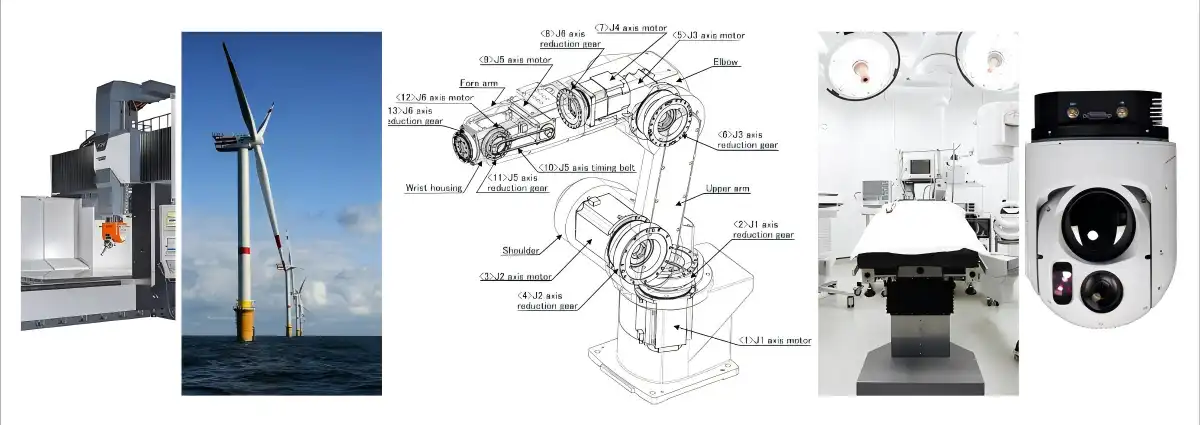
Medical imaging gantries that spin at fixed speeds need bearings that can keep their runout accuracy below 5 microns even after thousands of hours of use. When the temperature changes, the steel must change its shape as little as possible. This means that the thermal expansion factors and residual austenite levels are very important requirements. GCr15 is more thermally stable than most carbon steels. It can keep its limits even when temperatures change by 20°C during production shifts.
Joints in industrial robots are loaded in a lot of different ways, including radial, axial, and moment loads that build up quickly. The steel in the bearings has to be able to handle rolling contact wear and lateral loads that cause uneven stress distributions. Material uniformity makes sure that each wheel contact point can share the load equally.
Core Steel Grades Used for SX011814 Cross Roller Bearings
To choose the right steel grade, you need to know how the makeup and heat treatment of the steel affect its performance. The materials we use to make the SX011814 Cross roller bearing have been used in industry for decades and have been proven to work.
GCr15: The Industry Standard Material
GCr15 is the basic material used to make accurate bearings all over the world. Its formula has been improved over many generations of bearing production to find the best mix between performance and ease of manufacture. The material has a great rolling contact fatigue life after being through-hardened to 60–65 HRC. In controlled settings, it usually lasts 15-20% longer than the L10 life estimates.
During production, vacuum degassing is used to get rid of as many non-metallic particles as possible that could cause cracks. Oxygen levels below 15 parts per million (ppm) make sure that oxide stringers don't damage the groundwater. This focus on cleaning has a direct effect on the dependability of tools used to make semiconductors, since small particles could contaminate cleanrooms.
There is a strict order to heat treatment: austenitizing at 840–860°C, oil cooling at 150–170°C, and hardening at 230–240°C. This process changes the microstructure to martensite with fine carbide distribution. This gives the material the right amount of hardness while still keeping the core tough enough to withstand impact loads during emergency stops.
GCr15SiMn: Enhanced Hardenability for Demanding Applications
When bearing shapes get thinner, like the 10mm width of the SX011814 Cross roller bearing, it's harder to do through-hardening with standard GCr15. GCr15SiMn has more silicon (0.40-0.70%) and more manganese (0.90-1.20%) to make it easier to harden. This makes sure that even the core of the bearing gets the desired hardness during quenching.
This change to the metal works well in automatic production lines that have to deal with vibrational loads and temperature changes. The material stays strong at high temperatures and loses less hardness as the temperature gets close to 150°C, which is a usual situation in rotary tables in high-speed machining centers.
Silicon also improves the structure of grains, which makes them stronger over time. When both are treated to the same level of hardness, lab tests show that GCr15SiMn bearings have 10-15% longer wear life under pulsating loads than normal GCr15 bearings.
| Steel Grade | Carbon (%) | Chromium (%) | Hardness (HRC) | Primary Advantage |
|---|---|---|---|---|
| GCr15 | 0.95 to 1.05 | 1.40 to 1.65 | 60 to 65 | Balanced qualities, normal in the industry |
| GCr15SiMn | 0.95 to 1.05 | 1.40 to 1.65 | 60–66 | Better hardenability, uses in thin sections |
Heat Treatment Considerations for Optimal Performance
Heat treatment under strict supervision is needed to turn raw steel into a fine bearing part. We use furnaces that are controlled by computers to keep the temperature constant across the heating zone within ±5°C. This level of accuracy stops warping and makes sure that the metal changes consistently.
The amount of quenching changes how the leftover stress is distributed. Oil quenching cools things at a modest rate that strikes a balance between hardening things and keeping them from distorting. Some makers use marquenching methods, which involve stopping the quench at 200°C to even out the temperatures before the final transformation. This reduces the change in size even more.
Even though cryogenic treatment isn't common, it can help with very precise tasks. After hardening, cooling bearings to -80°C changes the remaining austenite to martensite, which makes them more stable in their dimensions while they're in use. We've seen that bearings that go through cold processing have 40–60% less physical growth than parts that go through normal processing.
Comparing SX011814 Cross Roller Bearing Steel Grade with Other Bearing Types
For background, you need to understand material selection. Different bearing designs cause different stress patterns that change the best properties of steel for the SX011814 Cross roller bearing.
Steel Requirements for Cross Roller versus Ball Bearings
Ball bearings create Hertzian contact loads that are mainly found in very small, elliptical contact spots. Peak pressures can be more than 3,000 MPa at the center of the contact, which is only 0.1 to 0.2 mm below the surface. Case-hardened steels, such as 8620, work well with this loading pattern because they have a tough core and a hard surface.
When circular rollers are used in cross roller bearings, they make line contact along the whole length of the roller. Peak pressures stay low (1,200–1,800 MPa), but the stressed volume grows deeper into the material. Through-hardened steels, such as GCr15, work better in this situation because they have the same hardness from the surface to the core, which helps keep the load evenly distributed along the contact line.
Why SX011814 Bearings Need Specific Material Properties
The SX011814 Cross roller bearing's very thin profile—only 10 mm wide to fit a 70 mm inner diameter—makes engineering difficult in a special way. The split outer ring design is held together by three fastening rings. This requires careful cutting of thin sections that won't bend when the part is put together or used.
The steadiness of cutting is directly affected by the choice of material. We were able to get the bearing's precise limits (P5, P4, or P2 class) through controlled-force grinding operations because GCr15 is easy to grind. The steel always reacts the same way to grinding forces, which makes it possible to keep the quality of the surface finish uniform across production batches.
The bearing can only handle radial, axial, and moment loads at the same time if the roller-to-raceway conformity stays the same over time. The microstructural changes that cause bearings to grow or shrink can't happen if the steel is dimensionally stable. The carbon-chromium balance in GCr15 keeps austenite from changing too much during service, so even after a long time of use, the size changes stay below 3 microns.
Load Capacity Comparison Across Bearing Types
Why choosing the right steel is important can be seen by looking at how material qualities affect load ratings. A regular deep groove ball bearing of the same size might be able to handle an 8 kN radial load. But the SX011814 Cross roller bearing can handle 12 kN radially, 10 kN axially, and 500 Nm moment loading all at the same time, and it does all of this in a small 70x90x10mm space.
This higher load density comes from the way the shape and material are put together. In ball bearings, the line contact spreads forces over about 40% more surface area than the point contact. The design is 3–4 times more rigid than similar ball bearing setups when through-hardened GCr15 is used to provide uniform underground support.
When engineering teams choose bearings for CT scanner gantries or joint robot elbows, they quickly see these benefits. If the steel grade is strong enough and stable enough, replacing dual-bearing systems with a single cross roller bearing can make designs easier, cut down on weight, and get rid of alignment issues.
Procurement Insights: Buying SX011814 Cross Roller Bearings with the Right Steel Grade
Global buying teams always have trouble making sure the quality of parts before they are delivered. Steel grade authenticity has a direct effect on how reliable your equipment is, which is why testing procedures are so important for the SX011814 Cross roller bearing.
Verifying Steel Grade Through Documentation
Reliable makers give out material certificates that link batches of steel to mill test records. The chemical makeup of these papers is confirmed by spectroscopic analysis, which shows that the amounts of carbon, chromium, and alloying elements are within the acceptable ranges. We keep digital records that connect each bearing serial number to its lot of base material. This makes it possible to fully trace everything.
Ask for hardness test papers that show scores on the Rockwell C scale that were taken from production samples. For proper testing, bearings must be cut into sections and their hardness must be measured at three different depths: the top, the midsection, and the core. Values should show consistent through-hardening, with little difference between readings taken on the surface and those taken on the core.
The best level of trust in verification can be found in metallographic test results. Through the optical microscope, these lab tests show the microstructure, proving proper martensite formation, carbide distribution, and the lack of harmful phases. We give these reports out for important uses where a failed joint could have major effects.
How Steel Grade Affects Pricing and Lead Times
The cost of materials makes up about 15 to 20 percent of the cost of a finished bearing. Because it has more alloying elements and better makeup control, GCr15SiMn costs 12–18% more than regular GCr15. Based on the needs of the product, buyers must decide if the higher cost is worth it for better hardenability.
Lead times depend on how much material is available and how much heat can be applied. Standard GCr15 bearings usually ship between 4 and 6 weeks, since raw materials are always on hand. GCr15SiMn types may add one to two weeks to the time it takes to get special steel grades. Production delays can be avoided by planning buying plans around these facts.
When standard material requirements are accepted, the minimum order numbers often go down. It's possible for the MOQ for GCr15 bearings to go up to 100 pieces for GCr15SiMn types, because heat treatment processes can be done in batches and save money that way. It takes a lot of math to figure out how to balance the costs of keeping supplies with the lower prices of individual items.
| Procurement Factor | GCr15 Standard | GCr15SiMn Premium |
|---|---|---|
| Material cost premium | Baseline | +12-18% |
| Typical lead time | 4 to 6 weeks | 5 to 7 weeks |
| Standard MOQ | 50 pieces | 100 pieces |
| Certification documentation | Along with | Metallographic papers with lots of information |
Selecting Manufacturers with Proper Certifications
ISO 9001 approval shows that a basic quality management system is being used, but making precision bearings requires more. IATF 16949 certification is all about meeting the quality standards for the car industry. It covers things like advanced product quality planning, production part approval processes, and methods for ongoing growth.
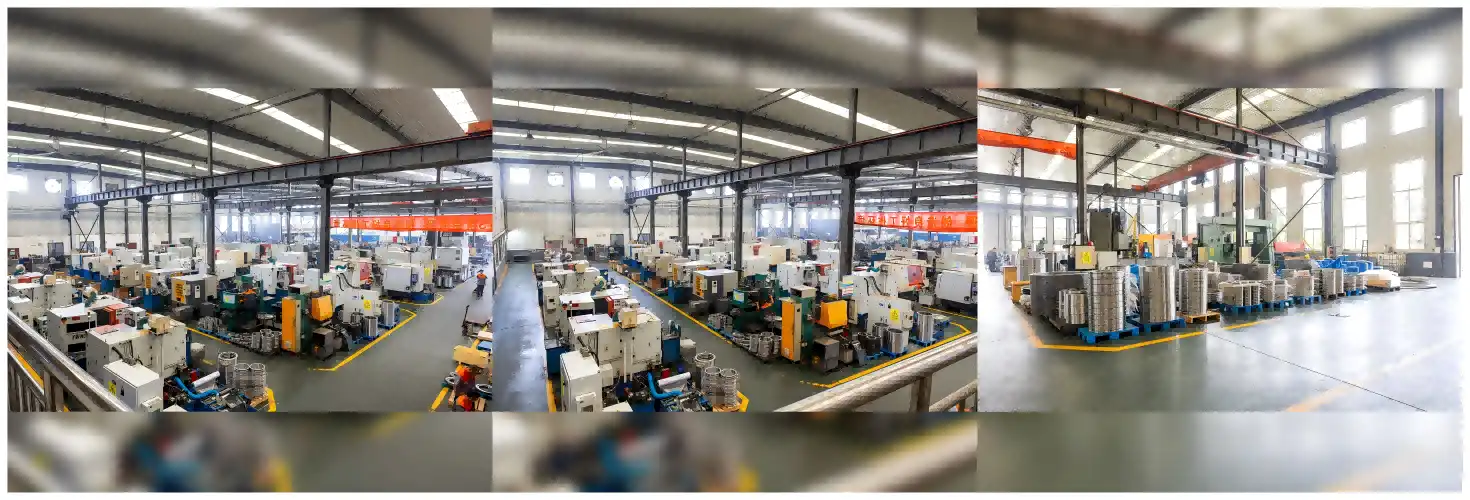
Our quality management system was set up in 2010, and we've kept both certifications up to date with yearly surveillance checks. Our six workshops have 120 skilled workers who are trained in methods like turning, grinding, heat treatment, and assembly that are specific to making bearings. This knowledge makes sure that choosing the right steel grade leads to good bearing performance.
Testing by a third party adds to the confidence. Random samples of bearings are sent to approved labs for verification tests. It is proven that production methods always meet design requirements by reports that show dimensional correctness, rotational torque, vibration levels, and load capacity.
Maintenance and Longevity: Maximizing SX011814 Bearing Life Through Steel Grade Awareness
The choice of steel determines how well it will work, but how well bearings are maintained determines how long they last. Understanding the properties of an object helps improve operating procedures for the SX011814 Cross roller bearing.
Lubrication Strategies for Different Steel Grades
The surface hardness of GCr15 makes it perfect for border lubrication schemes. When lubricant layers thin during starting or under shock loads, the hard surface doesn't let the adhesive wear away. We suggest synthetic PAO-based greases that have a 5-7% lithium complex lubricant because they work well at temperatures ranging from -30°C to +120°C.
How often you need to relubricate depends on how hard the job is. Precision measuring tools with low speeds and light loads may be able to go 5 to 7 years without needing to be oiled. High-speed machining center tables that cut 20 times per minute need to be re-oiled once a year to keep the film thickness at the right level.
Oil lubrication works best in high-speed, ongoing uses where getting rid of heat is important. Using ISO VG 68 synthetic oils in circulating oil systems gets rid of the heat that comes from friction while keeping the thin films that are needed for ultra-precision operation. Filtration to a precise 6-micron level keeps particles smaller than the internal gaps of the bearing.
Inspection Protocols to Detect Steel-Related Issues
Vibration research shows underlying wear and tear before it shows up on the surface as flaking. Accelerometers placed close to bearings pick up frequency patterns that show strikes between rollers and raceways. Spectral analysis that shows energy rises at roller pass frequencies is a warning sign of material wear that is linked to the quality of the steel and the amount of stress it is under.
Temperature tracking lets you know quickly when grease is failing or when friction isn't working right. During operation, thermal cameras record the temperatures of bearing housings, which are then used to set standard values. If the temperature rises more than 15°C above the baseline, it's time to check the state of the lubricant and the inside of the bearing before something terrible fails.
We have records of times when proactive tracking stopped unexpected downtime. Over the course of six months, the temperature of an industrial client's CT machine slowly rose. When a bearing was replaced as part of routine maintenance, early-stage micropitting was found, which means the crack didn't get worse. The steel's resistance to fatigue gave enough time for a planned replacement.
Extending Service Life Through Proper Operating Conditions
Environmental factors have a big effect on how long a bearing lasts. Controlling humidity keeps steel surfaces from rusting, especially when equipment is not being used. Keeping the relative humidity below 60% and using oils that stop rusting while storing things makes them last longer before they are installed.
The main thing that can damage precise bearings is contamination. Sealing methods that keep particles out are much more cost-effective than replacing bearings too soon. Studies have shown that even 10-micron particles getting into a bearing can shorten its life by 30 to 40 percent by causing grinding wear and stress to build up.
Managing loads makes bearings last a lot longer. Bearing life estimates show that running at 60% of the dynamic load rate instead of 90% can triple the L10 fatigue life. Understanding the wear properties of steel helps engineers make designs that meet both the needs for simplicity and durability.
Conclusion
The performance, dependability, and service life of an SX011814 Cross roller bearing depend on the steel grade that is used. The balanced qualities of GCr15 make it a good choice for most industrial needs. It has been used for a long time in precision uses. GCr15SiMn has better hardenability, which is useful in very thin parts that have to work in tough circumstances. To make sure that materials are real, procurement teams need to keep a lot of records and know how different types of steel affect prices and wait times. Proper upkeep plans that are made to fit the properties of steel make operations last longer. When engineers and buyers understand the important link between material science and bearing performance, they can make smart choices that increase the efficiency of machinery while keeping total ownership costs low.
FAQ
1. What is the standard steel grade for SX011814 bearings?
In general, what grade of steel do SX011814 Cross roller bearings use? The common material is GCr15, which is the same around the world as 100Cr6 or SUJ2. After being heated, this through-hardened bearing steel has a hardness of 60–65 HRC, which makes it perfect for precision uses that need high resistance to rolling contact wear and stable dimensions.
2. Can I specify alternative steel grades for special environments?
GCr15SiMn is offered for uses that need better performance in thin parts or when subjected to shock loads. It can be hardened more easily. You can ask for speciality stainless steels to be used in corrosive settings, but they usually have slightly lower hardness and load capacity than standard types.
3. How does steel grade affect bearing load capacity?
How does the quality of steel affect how much weight it can hold? Allowable contact forces are directly related to the material's hardness and wear strength. Higher-quality steels with more polished microstructures can hold more weight in the same shapes. GCr15SiMn can usually handle 10–15 percent more weight than lower-grade options because it has better resistance to underground wear and less inclusion content.
Partner with ATLYC for Certified SX011814 Cross Roller Bearing Solutions
If you pick the right bearing maker, the steel grade specs will translate into solid performance. Our 15 years of experience making high-precision bearings at ATLYC (Luoyang Auto Bearing Co., Ltd.) gives your purchasing team peace of mind about quality and stability. We keep our ISO 9001 and IATF 16949 certifications, which show that we follow the international quality standards for the SX011814 Cross roller bearing that medium- to large original equipment makers (OEMs) and industrial equipment producers need.
There are 120 trained workers in our six specialised workplaces who do tasks like turning, heat treating, grinding, and precise assembly. Before it is shipped, every SX011814 bearing goes through a strict check to make sure it is the right size, the material is hard, and it can rotate freely. Precision bearings are sold to buyers in South Korea, the US, Germany, Russia, Iran, and Turkey. These are places with strict requirements for quality and on-time delivery.
Email our tech team at auto@lyautobearing.com to talk about the needs of your particular application. For general industrial machinery, we offer normal GCr15 bearings. For difficult robotic applications, we offer GCr15SiMn versions. We offer expert support, reasonable prices, and reliable wait times. Our team helps you choose the best SX011814 Cross roller bearing supplier design, making sure that your fine equipment works at its best by choosing the best materials and manufacturing them to the highest standards.
References
1. Bhadeshia, H. K. D. H. (2012). Steels for Bearings. Progress in Materials Science, 57(2), 268-435.
2. Harris, T. A., & Kotzalas, M. N. (2006). Essential Concepts of Bearing Technology: Rolling Bearing Analysis (5th Edition). CRC Press.
3. Zaretsky, E. V. (2013). Rolling Bearing Steels—A Technical and Historical Perspective. Materials Science and Technology, 28(1), 58-69.
4. ISO 683-17:2014. Heat-treatable steels, alloy steels and free-cutting steels—Part 17: Ball and roller bearing steels.
5. Voskamp, A. P. (1996). Material Response to Rolling Contact Loading. Journal of Tribology, 118(2), 393-402.
6. Tallian, T. E. (1992). Simplified Contact Fatigue Life Prediction Model—Part I: Review of Published Models. Journal of Tribology, 114(2), 207-213.
Learn about our latest products and discounts through SMS or email