- English
- French
- German
- Portuguese
- Spanish
- Russian
- Japanese
- Korean
- Arabic
- Greek
- German
- Turkish
- Italian
- Danish
- Romanian
- Indonesian
- Czech
- Afrikaans
- Swedish
- Polish
- Basque
- Catalan
- Esperanto
- Hindi
- Lao
- Albanian
- Amharic
- Armenian
- Azerbaijani
- Belarusian
- Bengali
- Bosnian
- Bulgarian
- Cebuano
- Chichewa
- Corsican
- Croatian
- Dutch
- Estonian
- Filipino
- Finnish
- Frisian
- Galician
- Georgian
- Gujarati
- Haitian
- Hausa
- Hawaiian
- Hebrew
- Hmong
- Hungarian
- Icelandic
- Igbo
- Javanese
- Kannada
- Kazakh
- Khmer
- Kurdish
- Kyrgyz
- Latin
- Latvian
- Lithuanian
- Luxembou..
- Macedonian
- Malagasy
- Malay
- Malayalam
- Maltese
- Maori
- Marathi
- Mongolian
- Burmese
- Nepali
- Norwegian
- Pashto
- Persian
- Punjabi
- Serbian
- Sesotho
- Sinhala
- Slovak
- Slovenian
- Somali
- Samoan
- Scots Gaelic
- Shona
- Sindhi
- Sundanese
- Swahili
- Tajik
- Tamil
- Telugu
- Thai
- Ukrainian
- Urdu
- Uzbek
- Vietnamese
- Welsh
- Xhosa
- Yiddish
- Yoruba
- Zulu
Which Factors Drive Optimal Bearing Selection?
Bearing Selection is a strategic procurement decision that determines machine uptime, operational costs, and production efficiency across automotive and industrial applications. Choosing the right bearing requires balancing technical specifications—such as load capacity, rotational speed, and environmental tolerance—with supply chain considerations including certification standards, lead times, and supplier reliability. Poor bearing choices result in premature failures, unplanned maintenance, and costly production interruptions that disrupt global supply chains. We've witnessed how methodical component selection directly correlates with long-term equipment performance and total cost of ownership in manufacturing environments.
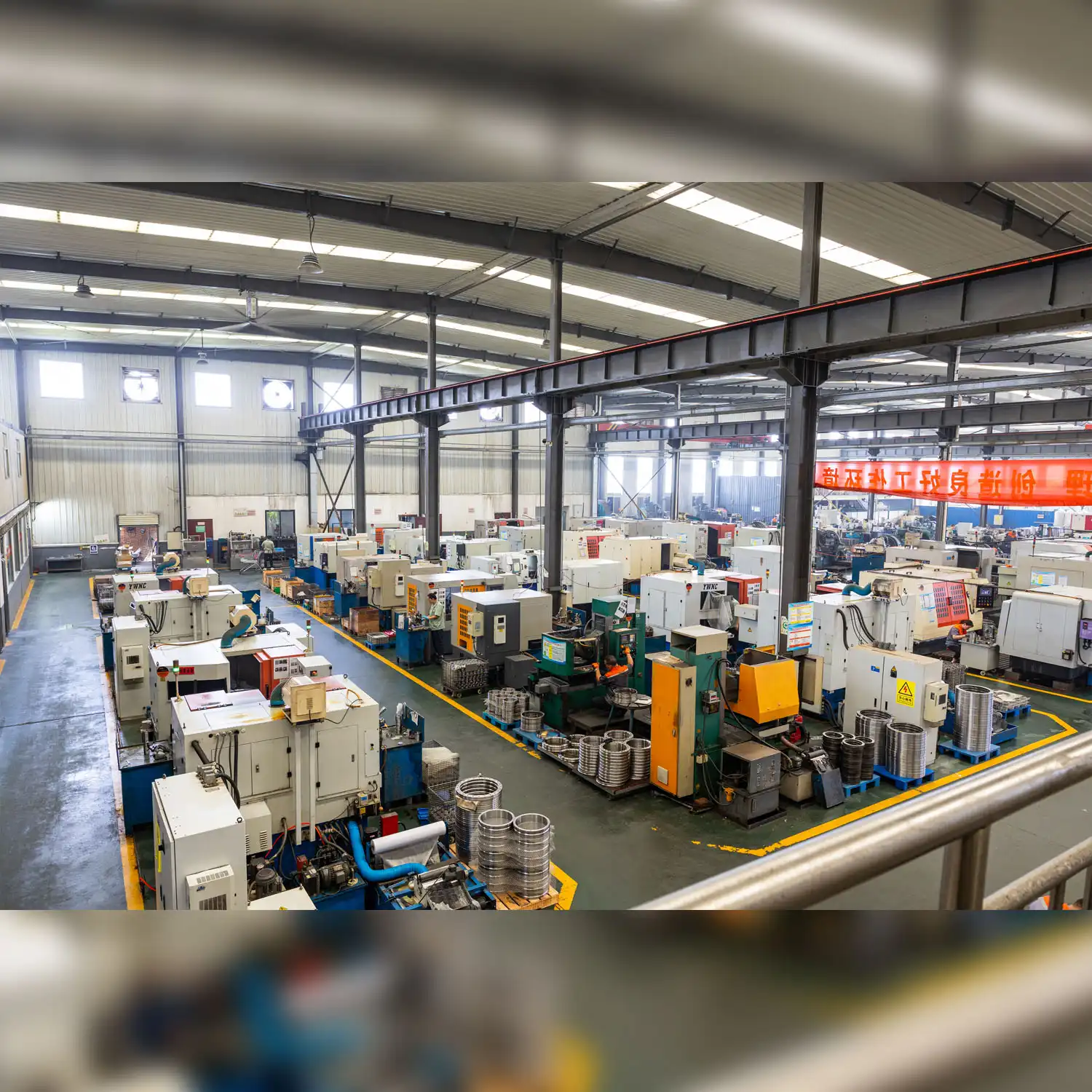
Key Factors That Influence Bearing Selection
Load Characteristics and Capacity Requirements
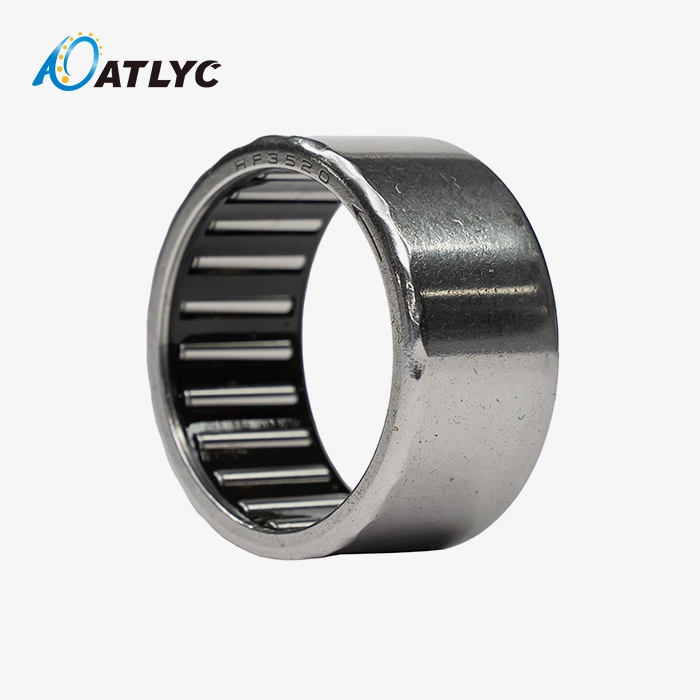
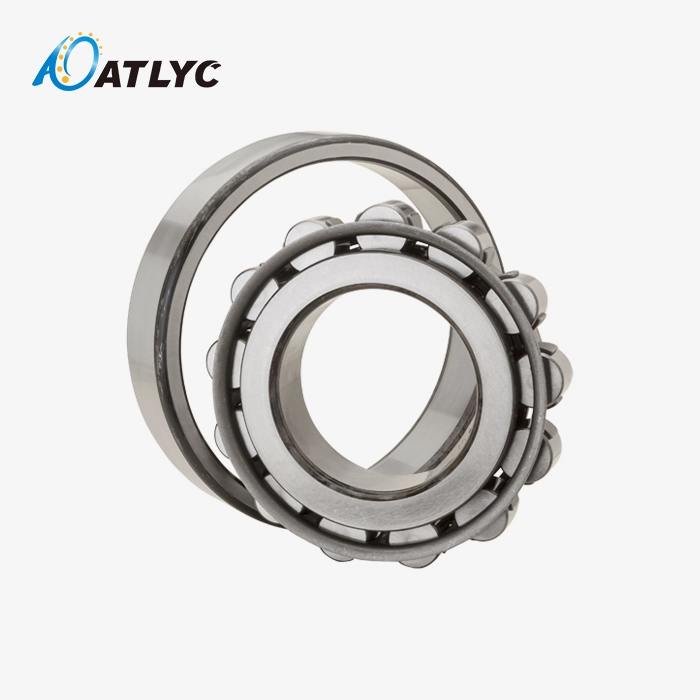
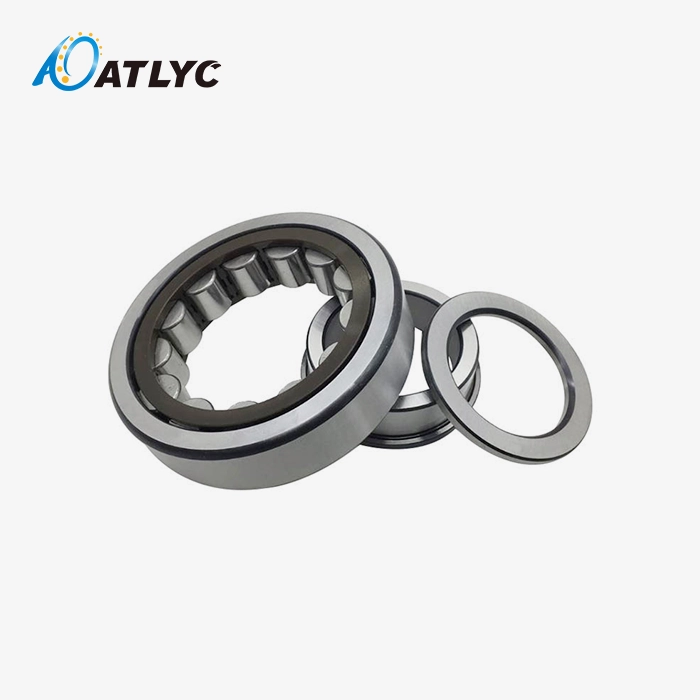
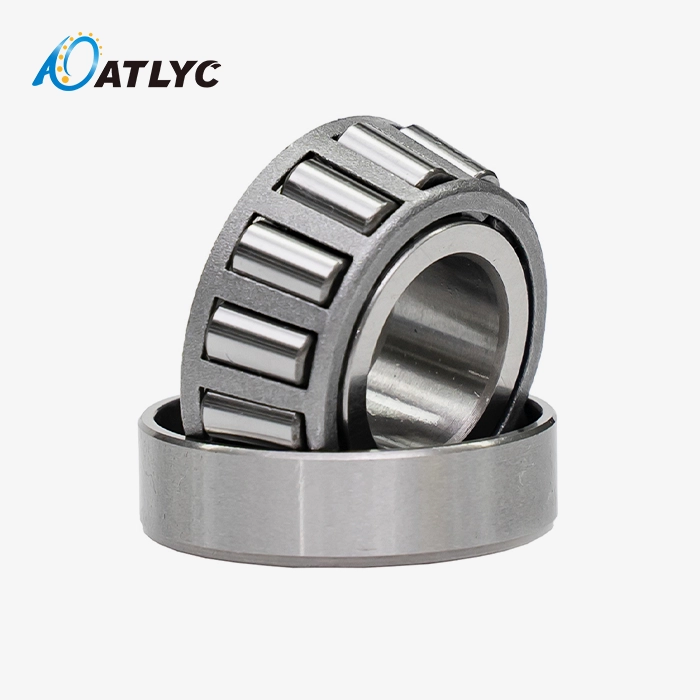
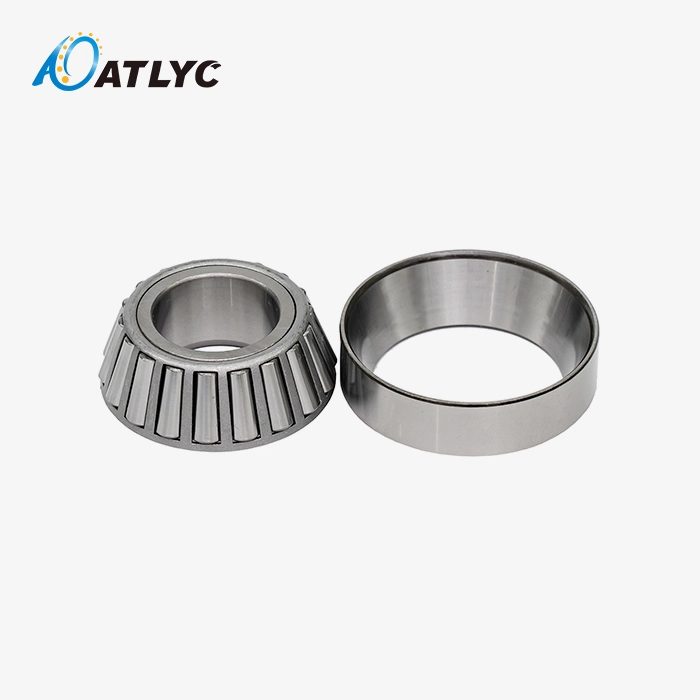
Load analysis forms the foundation of proper component specification. Radial loads perpendicular to the shaft axis require different bearing geometries compared to axial loads parallel to rotation. Combined loading scenarios—common in gearbox applications—demand careful calculation of equivalent dynamic loads to predict service life accurately. Ball bearings excel in moderate load applications requiring high-speed capability, while roller bearings distribute forces across larger contact areas suitable for heavy industrial equipment. We specify cylindrical roller bearings for pure radial loads in electric motors and tapered roller bearings where combined radial-axial loading occurs in automotive wheel hubs. The load rating tables published by manufacturers provide essential data, yet real-world performance depends on proper installation and alignment practices that procurement specifications should address through supplier quality agreements.
Speed Limitations and Dynamic Performance
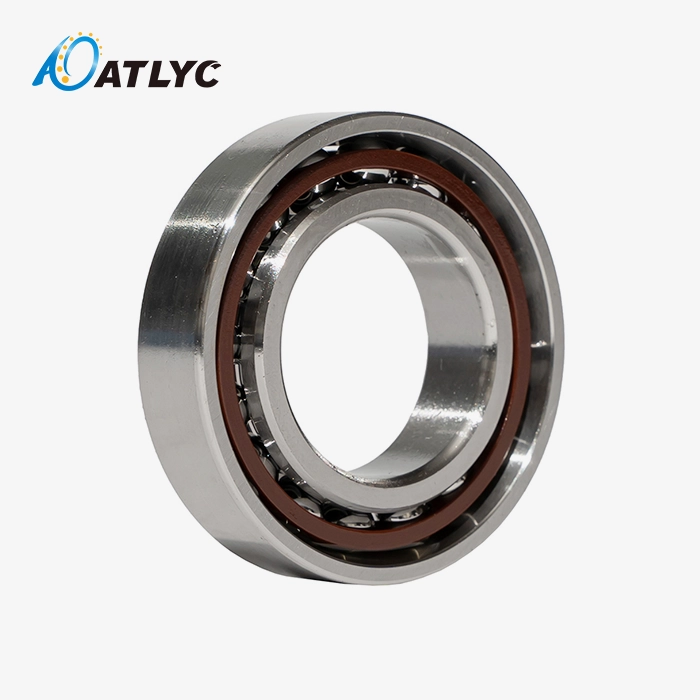
Rotational velocity directly impacts bearing temperature, lubrication film thickness, and cage stability. High-speed applications above 10,000 RPM typically require precision-grade bearings manufactured to ABEC-7 or ISO Class 4 tolerances. We've specified angular contact ball bearings in machine tool spindles where speed factors (bearing bore diameter multiplied by RPM) exceed conventional deep groove ball bearing capabilities. Dynamic conditions, including start-stop cycles and acceleration rates, influence Bearing Selection differently than continuous operation. Industrial automation equipment experiences frequent directional changes requiring bearings with robust cage designs that prevent ball skidding. The speed rating charts provided by bearing manufacturers assume optimal lubrication and temperature conditions—factors procurement teams must verify through supplier technical documentation and application engineering support.
Environmental Operating Conditions
Temperature extremes alter bearing clearances and lubricant viscosity in ways that compromise performance. High-temperature applications above 150°C require specialized materials or coatings that resist thermal degradation. We've sourced bearings with stabilized heat treatments for automotive turbocharger applications where temperatures approach 200°C during sustained operation. Corrosive atmospheres demand stainless steel bearings or protective platings that maintain dimensional integrity despite chemical exposure. Food processing machinery and pharmaceutical equipment operate in washdown environments where sealed bearing designs prevent moisture ingress. Contamination from dust, metal particles, or process fluids necessitates sealing solutions ranging from metal shields (ZZ designation) to contact rubber seals (2RS configuration), depending on contamination severity versus friction tolerance.
Space Constraints and Mounting Considerations
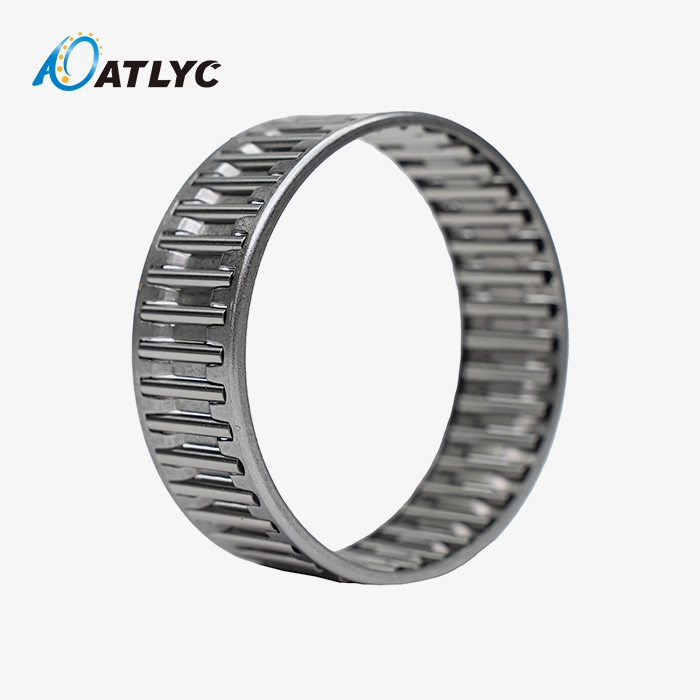
Available envelope dimensions often dictate Bearing Selection more stringently than load ratings. Compact machinery designs require thin-section bearings or needle roller bearings that maximize load capacity within restricted radial space. We've specified angular contact ball bearings in back-to-back arrangements where axial space limitations prevent using larger single-row designs. Shaft and housing tolerances determine interference fits that affect bearing internal clearance after installation. Procurement specifications must address tolerance classes, ensuring proper mounting without specialized heating equipment or hydraulic tools. We recommend confirming that suppliers provide detailed mounting drawings showing shoulder dimensions, fillet radii, and recommended fits for both shaft and housing interfaces to prevent field assembly errors.
Bearing Selection Criteria for Procurement Decision-Making
Performance Metrics and Precision Requirements
Speed capability, load ratings, and precision class form the technical triad governing Bearing Selection. We evaluate dynamic load ratings (C) and basic static load ratings (C0) against calculated operating loads to achieve target L10 life exceeding 20,000 hours in industrial applications. Automotive components typically target L10 life matching vehicle design life expectations between 150,000 and 200,000 miles. Precision grades impact rotating accuracy, noise generation, and vibration levels critical in quality-sensitive applications. Standard precision (ABEC-1/ISO P0) suffices for general industrial machinery, while machine tool spindles require ABEC-7 (ISO P4) or higher to maintain micron-level tolerances. We've found that specifying excessive precision increases costs without performance benefits in non-critical applications—procurement teams must align precision class with actual operational requirements rather than defaulting to the highest available grades.
| Bearing Type | Primary Load Direction | Speed Capability | Typical Applications |
|---|---|---|---|
| Deep Groove Ball | Radial + Light Axial | High | Electric motors, pumps |
| Cylindrical Roller | Pure Radial | Medium-High | Gearboxes, heavy machinery |
| Tapered Roller | Combined Radial-Axial | Medium | Automotive wheels, pinion shafts |
| Angular Contact Ball | Combined with Axial Bias | Very High | Machine tool spindles, compressors |
| Spherical Roller | Heavy Radial + Misalignment | Low-Medium | Vibrating screens, crushers |
This comparison table helps procurement teams quickly identify appropriate bearing categories based on application loading profiles and speed requirements prevalent in their specific industrial sectors.
Supply Chain and Procurement Variables
Lead time stability ranks among the top concerns for production planners managing just-in-time manufacturing systems. We prioritize suppliers maintaining a ready stock of standard bearing sizes while offering predictable delivery schedules for custom specifications. Rush orders and expedited shipping inflate total acquisition costs by 30-50% compared to planned procurement cycles. Warranty terms reveal supplier confidence in manufacturing quality and provide risk mitigation for procurement departments. We evaluate warranty coverage duration, failure analysis procedures, and replacement policies during supplier qualification. Return policies for incorrect specifications or damaged goods must accommodate production schedules without penalty charges for situations resulting from application engineering collaboration. Minimum order quantities affect inventory carrying costs and cash flow, particularly for low-volume custom bearing variants. We've negotiated blanket purchase orders with scheduled releases, allowing volume pricing benefits while maintaining lean inventory levels. Suppliers offering VMI (Vendor Managed Inventory) programs demonstrate commitment to partnership models that reduce administrative burden for procurement teams.
Comparing Sealed Versus Open Bearing Designs
Sealed bearings (2RS or 2RZ designations) arrive pre-lubricated and protected against contamination, eliminating initial lubrication requirements and extending maintenance intervals. The contact seals create friction that slightly reduces speed capability and generates modest temperature increases compared to open bearings. We specify sealed designs in applications where relubrication access proves difficult or contamination risks outweigh friction penalties. Open bearings without shields or seals offer maximum speed capability and lowest friction but require external sealing arrangements and regular lubrication maintenance. Industrial gearboxes with oil-bath lubrication systems typically use open bearings since the surrounding oil provides continuous lubrication and cooling. We've found that maintenance capabilities and lubricant systems available in end-user facilities should guide sealed versus open Bearing Selection rather than initial cost differences.
Practical Tips for Buying Bearings: Best Practices in Procurement
Identifying Trustworthy Suppliers and Manufacturers
Supplier qualification begins with verifying ISO 9001 and industry-specific certifications like IATF 16949 for automotive applications. We conduct on-site audits evaluating production equipment capabilities, quality control processes, and testing laboratories to confirm certification validity beyond paper documentation. Manufacturing capacity assessment includes reviewing production volumes, lead time performance data, and existing customer references within similar industries. Technical support capabilities distinguish strategic suppliers from transactional vendors. We evaluate whether suppliers employ application engineers who understand load calculations, bearing life analysis, and mounting practice recommendations. Responsive technical teams accelerate specification development and prevent costly misapplication errors during design phases. We've established preferred supplier relationships with manufacturers demonstrating proactive engineering support rather than reactive order fulfillment. Global bearing distributors offer breadth across multiple brands, while authorized distributors provide direct manufacturer support and warranty coverage. We source standard components through distributors, maintaining local inventory for rapid delivery while engaging manufacturers directly for custom bearings requiring design collaboration. The distribution channel choice balances availability speed against technical support depth, depending on application complexity.
Leveraging Bulk Orders and Custom Specifications
Volume commitments unlock pricing advantages through economies of scale in bearing manufacturing. We negotiate annual volume agreements, establishing tiered pricing structures that reward forecast accuracy and consolidated ordering patterns. Bulk purchasing requires careful demand forecasting to avoid obsolescence costs, particularly for application-specific custom bearings without secondary market value. Custom bearing designs address unique space constraints, loading conditions, or material requirements that standard catalog offerings cannot satisfy. We've specified custom cage materials, special internal clearances, and modified sealing configurations for extreme operating conditions. Custom bearing procurement requires longer lead times—typically 12-16 weeks versus 2-4 weeks for standard sizes—and minimum order quantities justifying tooling investments. The decision between adapting designs to standard bearings versus specifying custom components depends on production volumes and performance criticality. High-volume automotive applications justify custom bearing development costs through optimized performance and packaging efficiency. Lower-volume industrial machinery projects benefit from design flexibility, accommodating standard bearing envelopes to maintain supply chain agility.
Understanding Pricing Trends and Warranty Implications
Bearing prices fluctuate with raw material costs, particularly high-carbon chromium steel (GCr15/AISI 52100) and specialty alloys used in corrosion-resistant variants. We monitor steel commodity indices and maintain relationships with multiple suppliers to mitigate price volatility through competitive bidding. Currency exchange rates significantly impact import costs for procurement teams sourcing from international manufacturers—we've implemented currency hedging strategies for large volume contracts to stabilize budget forecasts. Quality-related warranty claims require systematic documentation, including operating conditions, failure modes, and maintenance records. We establish clear failure analysis protocols with suppliers, defining responsibilities for investigation costs and replacement timelines. Suppliers offering comprehensive warranties typically demonstrate manufacturing confidence, yet warranty terms matter less than preventing failures through proper specification and application engineering collaboration during initial procurement phases.
| Supplier Evaluation Criteria | Weight Factor | Assessment Method | Minimum Acceptable Standard |
|---|---|---|---|
| Quality Certifications (ISO 9001, IATF 16949) | 25% | Audit reports, certificate validation | Current valid certifications |
| Manufacturing Capacity | 20% | Production volume data, equipment list | 500K+ units/month for standard sizes |
| Technical Support Capability | 20% | Engineering staff count, response time, and SLA | Dedicated application engineers, 24-hour response |
| Lead Time Performance | 15% | On-time delivery metrics | >95% on-time delivery rate |
| Cost Competitiveness | 10% | Price benchmarking across 3+ suppliers | Within 10% of market median pricing |
| Customization Flexibility | 10% | Custom project portfolio review | Demonstrated custom bearing experience |
This evaluation framework provides procurement teams with structured criteria for comparing bearing suppliers beyond simple price comparisons, ensuring a comprehensive assessment of partnership value.
Signs of Bearing Wear and When to Replace
Recognizing Early Warning Indicators
Abnormal noise represents the most accessible bearing condition indicator, progressing from initial humming to grinding sounds as deterioration advances. We train maintenance teams to distinguish normal operational sounds from the cyclic clicking indicating race damage or the continuous roar signaling inadequate lubrication. Vibration analysis using accelerometers detects bearing defects before audible symptoms emerge—frequencies between 1-10 kHz typically indicate bearing element defects while lower frequencies suggest misalignment or imbalance. Temperature monitoring through infrared thermography or embedded sensors reveals lubrication breakdown and friction increases preceding catastrophic failure. Bearing temperatures exceeding 80°C under normal loads warrant immediate investigation. We've implemented condition monitoring systems in critical production equipment that trend temperature, vibration, and acoustic signatures to predict remaining bearing life and schedule proactive replacements during planned maintenance windows rather than responding to unexpected failures.
Common Failure Modes and Prevention Strategies
Lubrication deficiencies cause approximately 40% of premature bearing failures according to industry studies. Insufficient lubricant quantity allows metal-to-metal contact between rolling elements and raceways, generating wear debris and heat. Conversely, excessive lubrication in sealed bearings creates churning resistance and temperature increases that degrade grease properties. We specify relubrication intervals based on bearing size, speed, and operating temperature using manufacturer-provided calculation formulas rather than arbitrary time-based schedules. Contamination from external dirt, water, or process materials accounts for another 30% of bearing failures. Particles entering bearing raceways create indentations that initiate fatigue cracks and accelerate wear progression. We've improved bearing life by upgrading sealing effectiveness and implementing filtration on lubrication systems feeding open bearings. Installation cleanliness protocols, including bearing handling with lint-free gloves and covering exposed bearings during storage, prevent contamination before equipment startup. Improper mounting practices, including excessive interference fits, misalignment, and installation damage, create stress concentrations, reducing bearing life below calculated expectations. We provide detailed installation specifications to maintenance teams covering heating temperatures for thermal mounting, tool requirements for press fitting, and alignment verification procedures. Shaft and housing dimensional verification before bearing installation prevents costly rework and premature component failure.
Conclusion
Optimal Bearing Selection requires systematic evaluation of technical requirements, operating conditions, and supply chain capabilities rather than defaulting to familiar component choices. We've demonstrated how load characteristics, speed demands, environmental factors, and space constraints collectively determine appropriate bearing types and specifications. Procurement teams achieve best value by partnering with manufacturers offering ISO 9001 and IATF 16949 certifications, proven manufacturing capacity, and responsive technical support capabilities. Strategic bearing procurement balances initial acquisition costs against total lifecycle expenses, including maintenance, downtime, and replacement frequency. Suppliers demonstrating engineering collaboration, customization flexibility, and reliable delivery performance enable production efficiency and quality consistency that exceeds savings from lowest-price purchasing strategies.
FAQ
How do we determine the correct bearing size for our specific machinery application?
Bearing size selection starts with shaft diameter, which dictates bore size, followed by space envelope constraints determining outer diameter and width. We calculate required load ratings using operating loads and target L10 life, then select the smallest bearing meeting those specifications. Consulting manufacturer catalogs with dimensional tables and load rating charts streamlines this process, though complex applications benefit from supplier application engineering assistance, verifying calculations and mounting details.
What performance differences exist between ceramic and steel bearings?
Ceramic bearings using silicon nitride rolling elements offer superior performance in high-speed, corrosive, or electrically insulating applications compared to traditional steel bearings. The lower density reduces centrifugal forces, enabling higher speed capability, while ceramic's hardness improves wear resistance. We specify hybrid bearings (ceramic balls with steel rings) for electric motor applications requiring electrical isolation or machine tool spindles operating above 15,000 RPM, accepting the 3-5x cost premium for specific performance advantages.
Can bearing manufacturers provide custom designs for unique application requirements?
Experienced bearing manufacturers accommodate custom specifications, including modified internal geometry, special materials, unique sealing configurations, and non-standard dimensions. Custom bearing development requires detailed application data, including loads, speeds, temperatures, and space constraints, along with expected production volumes justifying tooling investments. We've successfully partnered with suppliers on custom projects ranging from specialized automotive bearings to industrial equipment components, typically requiring 12-16 week lead times and minimum order quantities between 500-1,000 units, depending on complexity.
Partner with ATLYC for Reliable Bearing Solutions
ATLYC brings 15 years of precision bearing manufacturing experience serving automotive OEMs, industrial machinery manufacturers, and global distributors across demanding markets. Our ISO 9001 and IATF 16949 certified production facilities operate six specialized workshops producing deep groove ball bearings, cylindrical roller bearings, tapered roller bearings, and custom bearing configurations tailored to your exact specifications. We maintain rigorous quality standards, ensuring consistent performance, extended service life, and minimal defect rates that protect your production schedules and equipment reliability. Our engineering team provides comprehensive technical support throughout the Bearing Selection process, from load calculations and life analysis to mounting recommendations and failure investigation. We offer competitive pricing without compromising quality, backed by proven lead time performance and scalable production capacity supporting both prototype quantities and high-volume series production. Contact our team at auto@lyautobearing.com to discuss your bearing requirements with experienced application engineers who understand the unique demands facing bearing suppliers in today's competitive global marketplace.
References
1. Harris, T.A., and Kotzalas, M.N. (2006). Rolling Bearing Analysis: Essential Concepts of Bearing Technology. CRC Press, Taylor & Francis Group.
2. Eschmann, P., Hasbargen, L., and Weigand, K. (1985). Ball and Roller Bearings: Theory, Design and Application. John Wiley & Sons.
3. SKF Group. (2018). Rolling Bearings Catalog: Product Selection Guidelines and Engineering Data. SKF USA Inc.
4. American Bearing Manufacturers Association. (2020). Load Ratings and Fatigue Life for Ball Bearings. ANSI/ABMA Standard 9-1990 (R2020).
5. Budynas, R.G., and Nisbett, J.K. (2015). Shigley's Mechanical Engineering Design, 10th Edition. McGraw-Hill Education.
6. International Organization for Standardization. (2007). Rolling Bearings—Dynamic Load Ratings and Rating Life. ISO 281:2007 Standard.
Learn about our latest products and discounts through SMS or email