- English
- French
- German
- Portuguese
- Spanish
- Russian
- Japanese
- Korean
- Arabic
- Greek
- German
- Turkish
- Italian
- Danish
- Romanian
- Indonesian
- Czech
- Afrikaans
- Swedish
- Polish
- Basque
- Catalan
- Esperanto
- Hindi
- Lao
- Albanian
- Amharic
- Armenian
- Azerbaijani
- Belarusian
- Bengali
- Bosnian
- Bulgarian
- Cebuano
- Chichewa
- Corsican
- Croatian
- Dutch
- Estonian
- Filipino
- Finnish
- Frisian
- Galician
- Georgian
- Gujarati
- Haitian
- Hausa
- Hawaiian
- Hebrew
- Hmong
- Hungarian
- Icelandic
- Igbo
- Javanese
- Kannada
- Kazakh
- Khmer
- Kurdish
- Kyrgyz
- Latin
- Latvian
- Lithuanian
- Luxembou..
- Macedonian
- Malagasy
- Malay
- Malayalam
- Maltese
- Maori
- Marathi
- Mongolian
- Burmese
- Nepali
- Norwegian
- Pashto
- Persian
- Punjabi
- Serbian
- Sesotho
- Sinhala
- Slovak
- Slovenian
- Somali
- Samoan
- Scots Gaelic
- Shona
- Sindhi
- Sundanese
- Swahili
- Tajik
- Tamil
- Telugu
- Thai
- Ukrainian
- Urdu
- Uzbek
- Vietnamese
- Welsh
- Xhosa
- Yiddish
- Yoruba
- Zulu
Why Engineers Prefer RB4010UUCC0 Cross Roller Bearings
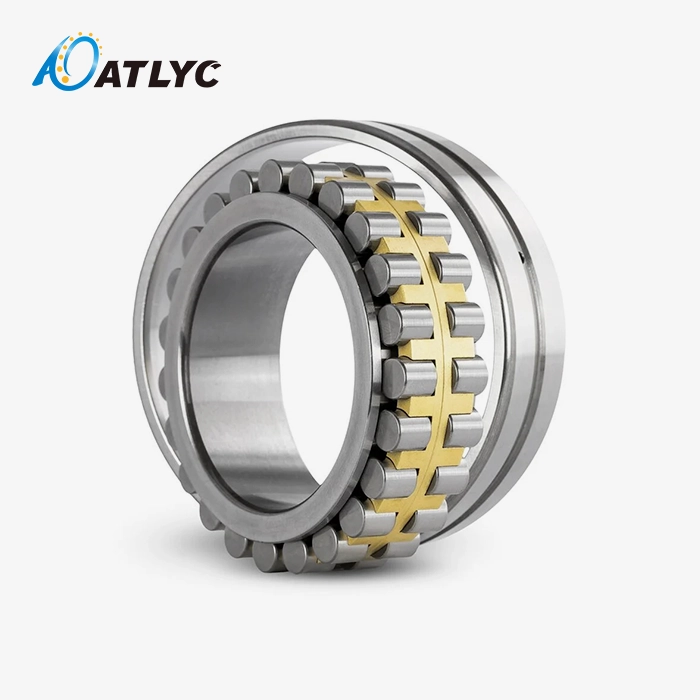
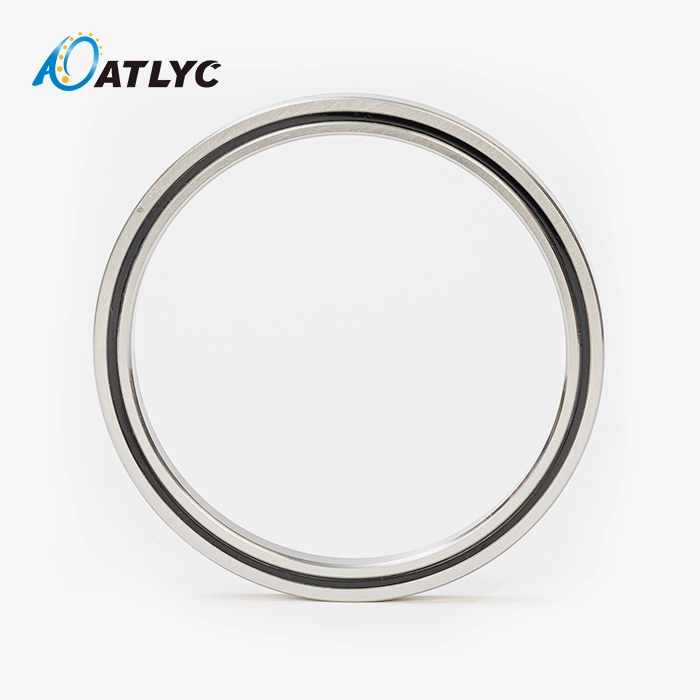
Engineers prefer RB4010UUCC0 cross roller bearings because these components deliver exceptional rigidity, simultaneous multi-directional load handling, and zero-backlash precision in compact envelopes. Unlike traditional ball bearings that struggle with moment loads or require dual-bearing configurations, this crossed-roller design integrates radial, axial, and moment load capacity within a single unit. The CC0 preload specification eliminates elastic displacement, ensuring repeatable positioning critical for robotic joints, medical imaging equipment, and semiconductor wafer handlers. With hermetic seals protecting against contamination and line-contact geometry extending operational life, these bearings reduce assembly complexity while enhancing system performance—directly addressing the engineering demand for reliable, space-efficient precision motion solutions.

Understanding the Core Specifications and Design Features of RB4010UUCC0 Cross Roller Bearings
Precision machinery demands components that meet exacting dimensional standards while delivering predictable performance under complex loading conditions. The RB4010UUCC0 represents a class of bearings specifically engineered to address these requirements through thoughtful design and material selection.
Dimensional Accuracy and Interchangeability
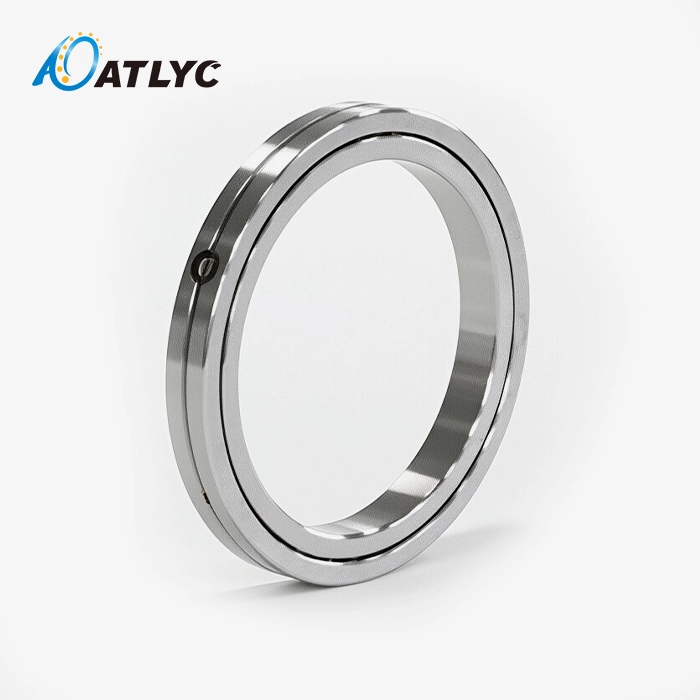
The bearing features an inner diameter of 45 mm, an outer diameter of 65 mm, and a width of 10 mm. These dimensions adhere to standardised tolerances, ensuring compatibility across equipment platforms. Manufacturers of robotic arms, rotary indexing tables, and precision measurement instruments choose these bearings because they will fit well with existing housing designs. The integrated inner ring structure makes it easier to mount, which cuts down installation time and reduces possible alignment errors that could affect system accuracy.
Material Properties Ensuring Durability
These parts, which are made of Gcr15 and Gcr15SiMn bearing steels, are heat-treated to a surface hardness level of HRC 58–64. This hardness level provides the wear resistance required to keep dimensions stable over millions of rotational cycles. Premature spalling or micro-cracking, which diminishes accuracy over time, is prevented by the material's through-hardening properties, which guarantee that underlying layers maintain strength even as surface contact happens.
Compositions of high-carbon chromium steel, which have a fine grain, provide the microstructure needed for regulated stress distribution. The fatigue resistance of the material avoids fracture propagation and catastrophic failure when exposed to strong moment loads, which are frequent in applications where rotating platforms support off-centre masses. This metallurgical foundation supports the bearing's capacity to sustain P5, P4, and P2 accuracy classes over its service life.
Crossed-Roller Architecture Advantages
The orthogonal roller arrangement at 90-degree intervals creates a unique load distribution pattern. Cylindrical rollers contact V-groove raceways along their entire length, generating line contact rather than point contact. This geometric relationship spreads applied forces across larger surface areas, reducing contact stress by 40-60% compared to equivalent-sized ball bearings. Engineers selecting cross roller bearings gain higher load capacity without increasing envelope dimensions—a critical advantage in compact automation equipment.
The alternating roller orientation allows simultaneous constraint of five degrees of freedom. A single RB4010UUCC0 cross roller bearing can replace paired angular contact ball bearings or combined thrust-radial bearing assemblies, simplifying housing designs and reducing part counts. This consolidation eliminates tolerance stack-up issues inherent in multi-bearing arrangements, directly contributing to improved system rigidity.
Sealing System and Contamination Protection
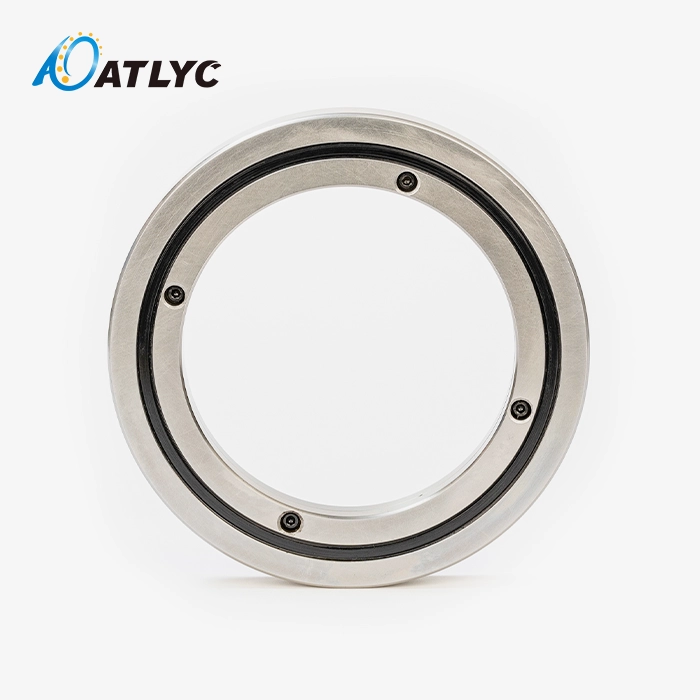
The UU designation indicates two rubber seals, one on each side of the bearing. Designed for extended relubrication intervals and wide temperature ranges, these contact seals maintain factory-filled lithium-based grease. The sealed lips stay in touch with the raceway shoulders, preventing cutting fluid mist, moisture, and airborne particles from entering.
When it comes to precise bearings used in industrial settings, contamination is the main cause of failure. Surface indentations caused by even the tiniest particles can lead to stress concentrations and, ultimately, weariness. In machining centres, where coolant spray and metal chips are a continual threat, and in cleanroom semiconductor applications, where particle shedding must remain below strict limits, the hermetic protection offered by contact seals improves operational life.
Why Do RB4010UUCC0 Bearings Outperform Alternatives? A comparative analysis?
Procurement professionals evaluating bearing options must understand performance differentiators that impact total cost of ownership. The RB4010UUCC0 delivers measurable advantages over alternative bearing types through its fundamental design approach.
Comparison with Standard Ball Bearings
Deep groove ball bearings excel at high-speed rotation but demonstrate limited moment rigidity. When subjected to tilting forces, the point contact between balls and raceways allows elastic deformation that manifests as a positioning error. Robotic wrist assemblies using ball bearings may experience several arc minutes of deflection under load variations, compromising path accuracy during precision assembly operations.
The line contact geometry of cross roller bearings provides 3-4 times greater stiffness under identical loading conditions. This rigidity translates to repeatable positioning within arcseconds rather than arcminutes—performance essential for applications like laser cutting heads or coordinate measuring machines, where thermal expansion of the workpiece already challenges positioning budgets.
Performance Versus Cylindrical Roller Bearings
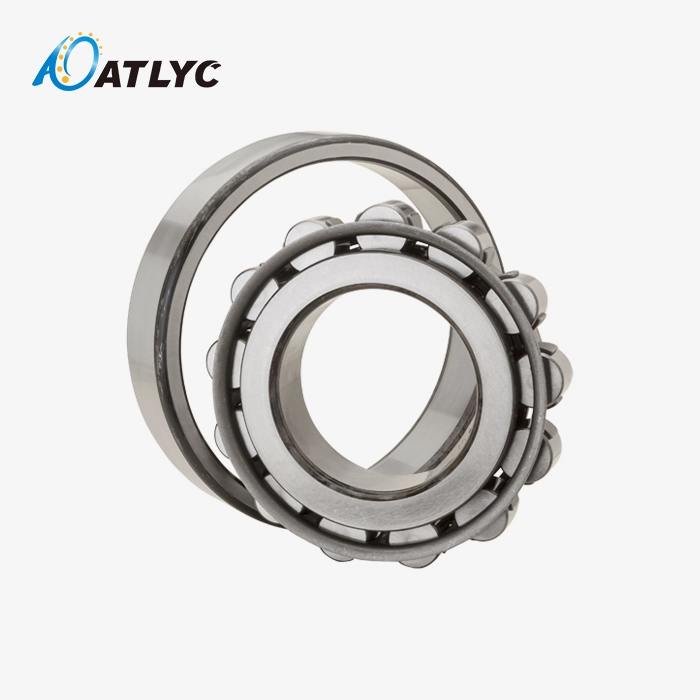
Cylindrical roller bearings can handle heavy radial loads, but specialised thrust bearings are required for axial constraint. Because of these factors, the chance of bearings becoming misaligned increases, and housing needs more room. Combining these features into one compact design, cross roller arrangements can handle radial and axial loads as well as the essential moment load that is missing from cylindrical systems.
This simplification is especially helpful for the engineers who build the rotary tables used in vertical machining centres. In contrast to cylindrical bearing arrangements, which necessitate meticulous preloading and shimming to attain equivalent performance, a single RB4010UUCC0 can sustain both the workpiece weight and cutting pressures conveyed through off-centre tool engagement.
Differentiation from Related Cross Roller Models
By specifying a CC0 preload, the RB4010UUCC0 avoids backlash by creating negative radial clearance. Models that have C0 or C3 clearance can still accommodate micro-movements when subjected to reversing stresses because they maintain modest internal gaps. Using zero-backlash operation is highly beneficial for applications that include oscillating motion or frequent direction changes, such as swivelling inspection camera mounts.
By varying the RB series' width and diameter, engineers can optimise the selection of bearings for specific load profiles. The RB4010UUCC0's 10mm width makes it ideal for uses with limited axial space but critical moment stiffness, including small robotic joint assemblies in collaborative robots that work in tandem with humans.
Maintenance and Longevity: Maximising the Lifespan of RB4010UUCC0 Bearings
Preventive maintenance protocols directly influence whether bearings achieve their calculated L10 life ratings. Understanding proper care procedures enables procurement teams to accurately forecast replacement intervals and minimise unplanned downtime.
Lubrication Management Practices
The grease that is applied by the factory usually lasts for 6-12 months and is sufficient for lubrication under normal operating circumstances. It may be necessary to relubricate every four to six months for heavy-duty cycles that experience high oscillation frequencies or operate in extremely hot environments. Injecting compatible lithium-complex NLGI Grade 2 grease is made possible without disassembly thanks to the grease fittings integrated into the outer ring.
Similar to the dangers of inadequate lubrication, over-greasing can cause problems. When there's too much grease, it raises the temperature within the engine, which speeds up the oxidation process and makes the lubrication less efficient. Technicians should drain the old grease until new lubricant reaches the seals during relubrication, then run the bearing for a short while to disperse the grease uniformly before production resumes.
Temperature Monitoring and Thermal Management
Starting torque is larger with CC0 preloaded cross roller bearings than with clearance-fit versions. Paying close attention to thermal conditions is essential for this characteristic, since temperatures exceeding the dropping point of the grease might be produced by a combination of high preload and inadequate cooling. Standard greases operate at a temperature limit of 80°C, while specialised synthetic lubricants operate at an even higher limit of 120°C.
While commissioning, infrared temperature monitoring finds thermal problems before they do any harm. Be careful not to misalign the mounting surfaces, have housing interference fits that cause excessive preload, or have inadequate heat dissipation channels if the bearing temperatures are unexpectedly high. Preventing slow deterioration that shows up as increasing vibration and runout months into service requires attention to thermal problems during installation.
Inspection Protocols and Failure Indicators
Scheduled inspections should assess seal integrity, rotational smoothness, and acoustic signatures. Damaged seals allow lubricant loss and contaminant entry—conditions that rapidly accelerate wear. Bearings exhibiting roughness during manual rotation or generating abnormal noise patterns require immediate evaluation to determine whether corrective action or replacement is warranted.
Vibration analysis provides early warning of developing issues. Properly functioning cross roller bearings display characteristic frequency patterns related to roller pass rates. Deviations from baseline signatures indicate spalling, roller skidding, or raceway surface degradation. Implementing condition-based monitoring through accelerometers enables maintenance teams to schedule replacements during planned shutdowns rather than responding to unexpected failures.
Procurement Guide for RB4010UUCC0 Cross Roller Bearings: Ensuring Quality and Availability
Supply chain decisions impact production continuity and equipment reliability. Strategic sourcing approaches balance cost considerations with quality assurance and delivery reliability.
Identifying Qualified Suppliers
Established bearing manufacturers maintain certification to ISO 9001 quality management standards and IATF 16949 automotive sector requirements. These certifications demonstrate systematic process controls that ensure dimensional consistency and material traceability across production batches. Suppliers providing certified inspection reports with delivered bearings enable incoming quality verification without time-consuming dimensional checks.
Direct relationships with manufacturers like ATLYC, holding these certifications since their establishment in 2010, offer advantages over distributor channels. Factory-direct procurement provides access to technical support teams familiar with application-specific requirements and customisation options. Engineers facing unique mounting constraints or unusual environmental conditions benefit from consultation during the specification phase rather than discovering incompatibilities after equipment commissioning.
Evaluating Total Cost of Ownership
The purchase price represents only one component of bearing lifecycle costs. Lead time reliability affects production scheduling and inventory carrying costs. Suppliers demonstrating consistent on-time delivery enable leaner inventory strategies, reducing working capital tied up in safety stock. The cost impact of delayed deliveries—including expedited shipping fees and production downtime—often exceeds the savings from choosing marginally lower-priced alternatives.
Bulk purchasing arrangements reduce per-unit costs while ensuring supply continuity for high-volume assembly operations. OEM manufacturers producing equipment in series benefit from negotiated pricing tiers and dedicated inventory allocations that prevent allocation shortages during demand spikes. These commercial arrangements provide predictable cost structures that support accurate product costing throughout equipment lifecycles.
After-Sales Support and Warranty Considerations
Comprehensive warranties covering manufacturing defects provide risk mitigation for early-life failures. Warranty terms should clearly define coverage periods, failure analysis protocols, and replacement procedures. Suppliers offering engineering support beyond the initial sale add value through application troubleshooting and optimisation guidance that maximises bearing performance within specific machine designs.
Technical resources including CAD models, load calculation tools, and mounting instruction documentation reduce engineering time during equipment design phases. Procurement teams should evaluate supplier capabilities in providing these resources as selection criteria alongside pricing and delivery terms.
The Value Proposition: Why Do Engineers and Purchasing Managers Prefer RB4010UUCC0 Bearings?
Investment decisions require justification through quantifiable operational benefits and long-term reliability evidence. The RB4010UUCC0 Cross roller bearing delivers measurable advantages across multiple performance dimensions.
Precision Performance in Critical Applications
Robotic joint assemblies demand repeatable positioning accuracy that directly affects end-effector placement tolerance. The zero-backlash characteristic of CC0 preloaded cross roller bearings eliminates the positional drift common in clearance-fit designs. Automotive assembly robots using these bearings consistently place components within ±0.05mm tolerances despite handling varying part weights throughout production shifts.
Medical imaging equipment manufacturers specify cross roller bearings for CT scanner gantries where rotational uniformity prevents image artefacts. The continuous line contact distributes loads smoothly throughout rotation, avoiding the periodic variations inherent in ball bearing designs where individual balls enter and exit load zones. This smoothness translates to diagnostic image quality improvements that support accurate medical evaluations.
Operational Reliability Reducing Downtime Costs
Semiconductor fabrication equipment operates in cleanroom environments where unplanned maintenance events risk particle contamination affecting entire wafer batches. The sealed design of the RB4010UUCC0 protects internal components from process chemicals and cleanroom humidity while preventing lubricant migration that could contaminate wafer surfaces. Facilities report mean time between failures exceeding 50,000 operating hours in wafer-handling robots—reliability that minimises costly production interruptions.
Machine tool rotary tables equipped with cross roller bearings maintain positioning accuracy throughout multi-year service periods. The load distribution characteristics prevent the localised wear patterns that degrade accuracy in traditional bearing arrangements. Shops avoid the expense of periodic table reconditioning or premature replacement, reducing the total cost of ownership.
Scalability for Growing Production Requirements
Manufacturers expanding production capacity benefit from component standardisation that simplifies spare parts inventory and maintenance training. The dimensional interchangeability of cross roller bearings allows equipment designers to specify common bearing sizes across product families, reducing procurement complexity. As production volumes increase, established supplier relationships provide the scalability needed to support growing demand without supply disruptions.
Luoyang Auto Bearing Co., Ltd. exemplifies this scalable manufacturing capability. Growing from a single workshop in 2010 to six specialised production facilities, the company now employs 120 skilled workers who support global customers across South Korea, the United States, Germany, Russia, Iran, and Turkey. This expansion demonstrates the production capacity necessary to support OEM partners experiencing rapid growth while maintaining the quality consistency that ISO 9001 and IATF 16949 certifications require.

Conclusion
The engineering advantages of RB4010UUCC0 cross roller bearings stem from fundamental design principles that address precision machinery requirements. Integrated multi-directional load handling, zero-backlash preload configuration, and hermetic contamination protection deliver measurable performance benefits across robotic, medical, and semiconductor applications. Proper maintenance practices extend operational life while strategic procurement from certified manufacturers ensures supply reliability and technical support throughout equipment lifecycles. The combination of precision performance, operational reliability, and supplier scalability makes these bearings the preferred choice for engineers and procurement professionals specifying components for mission-critical automation systems.
FAQ
What distinguishes RB4010UUCC0 from standard RB4010 variants?
The UU suffix indicates double rubber seals providing contamination protection and grease retention, while CC0 specifies negative radial clearance, creating internal preload for zero-backlash operation. Standard variants may feature different seal configurations or clearance specifications suited to alternative application requirements.
Can these bearings handle continuous high-speed rotation?
Cross-roller bearings excel in rigidity and load capacity rather than high-speed applications. The CC0 preload and contact seals generate starting torque and friction that limit maximum speed capabilities. These components suit low-to-medium speed applications involving oscillation or intermittent rotation rather than continuous high-RPM operation.
How should the split outer ring be handled during installation?
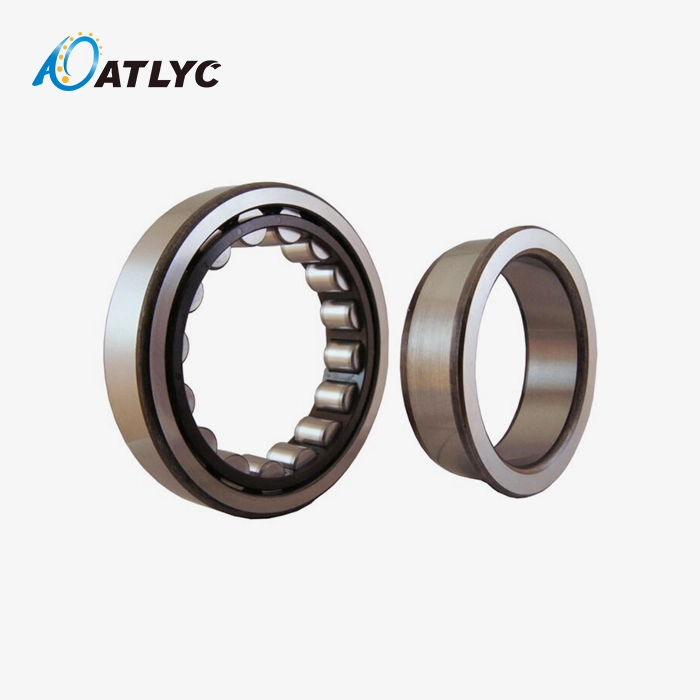
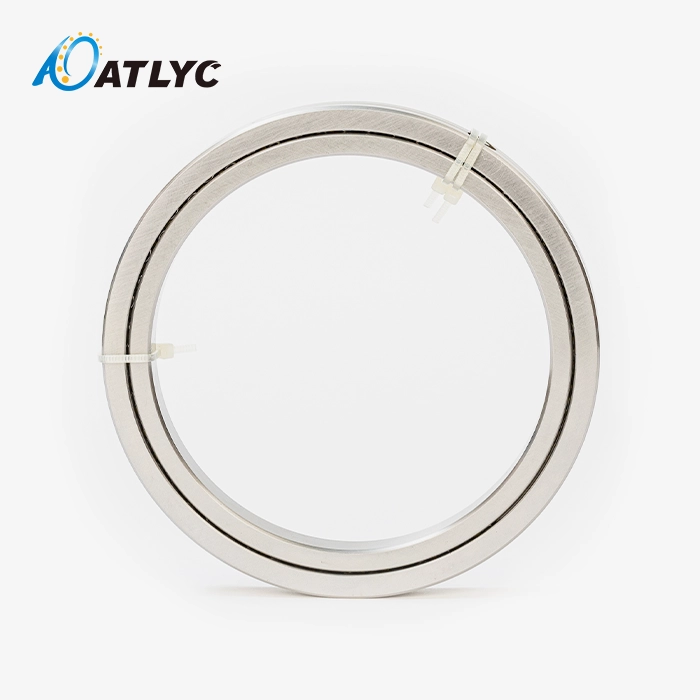
The split outer ring arrives assembled and should not be disassembled. Installation requires uniform pressure applied to the outer ring face using a press plate. The housing cover or retaining flange secures the split ring components, maintaining structural integrity during operation.
Partner with ATLYC for Reliable Cross Roller Bearing Solutions
Precision motion control applications demand bearing suppliers that combine manufacturing excellence with responsive technical support. ATLYC maintains ISO 9001 and IATF 16949 certifications, demonstrating our commitment to quality systems that ensure dimensional consistency across every RB4010UUCC0 cross roller bearing we manufacture. Our six specialised production workshops and 120 skilled employees support global customers requiring high-precision bearings with competitive lead times. Engineering teams provide application consultation, customisation capabilities, and after-sales technical support that maximises bearing performance within your specific equipment designs. Contact auto@lyautobearing.com to discuss your requirements with our technical specialists and receive detailed quotations for volume orders from a trusted RB4010UUCC0 cross roller bearing supplier.
References
1. Harris, T.A., and Kotzalas, M.N. (2006). Advanced Concepts of Bearing Technology: Rolling Bearing Analysis. CRC Press.
2. Wensing, J.A. (1998). On the Dynamics of Ball Bearings. University of Twente Press.
3. Eschmann, P., Hasbargen, L., and Weigand, K. (1985). Ball and Roller Bearings: Theory, Design and Application. John Wiley & Sons.
4. Hamrock, B.J., Schmid, S.R., and Jacobson, B.O. (2004). Fundamentals of Fluid Film Lubrication. Marcel Dekker.
5. Tallian, T.E. (1999). Failure Atlas for Hertz Contact Machine Elements. ASME Press.
6. ISO 5593:1997. Rolling Bearings—Vocabulary. International Organisation for Standardisation.
Learn about our latest products and discounts through SMS or email