- English
- French
- German
- Portuguese
- Spanish
- Russian
- Japanese
- Korean
- Arabic
- Greek
- German
- Turkish
- Italian
- Danish
- Romanian
- Indonesian
- Czech
- Afrikaans
- Swedish
- Polish
- Basque
- Catalan
- Esperanto
- Hindi
- Lao
- Albanian
- Amharic
- Armenian
- Azerbaijani
- Belarusian
- Bengali
- Bosnian
- Bulgarian
- Cebuano
- Chichewa
- Corsican
- Croatian
- Dutch
- Estonian
- Filipino
- Finnish
- Frisian
- Galician
- Georgian
- Gujarati
- Haitian
- Hausa
- Hawaiian
- Hebrew
- Hmong
- Hungarian
- Icelandic
- Igbo
- Javanese
- Kannada
- Kazakh
- Khmer
- Kurdish
- Kyrgyz
- Latin
- Latvian
- Lithuanian
- Luxembou..
- Macedonian
- Malagasy
- Malay
- Malayalam
- Maltese
- Maori
- Marathi
- Mongolian
- Burmese
- Nepali
- Norwegian
- Pashto
- Persian
- Punjabi
- Serbian
- Sesotho
- Sinhala
- Slovak
- Slovenian
- Somali
- Samoan
- Scots Gaelic
- Shona
- Sindhi
- Sundanese
- Swahili
- Tajik
- Tamil
- Telugu
- Thai
- Ukrainian
- Urdu
- Uzbek
- Vietnamese
- Welsh
- Xhosa
- Yiddish
- Yoruba
- Zulu
Why Trust YRTM Rotary Table Bearing for Precision?
YRTM Rotary Table Bearing gives your operations real value when they need a design that takes up little room without sacrificing performance. The small size of this bearing makes it perfect for high-precision CNC uses because it can handle radial, axial, and moment loads. YRTM Rotary Table Bearings allow exact positioning and smooth spinning in places where room is limited, unlike bulky standard setups that need multiple bearing arrangements. Because we've been making things for decades, we can guarantee that every unit meets exact size and performance requirements that are important for the longevity of your tools.
Understanding YRTM Rotary Table Bearings: Design and Technical Specifications
Compact Integrated Structure for Maximum Efficiency
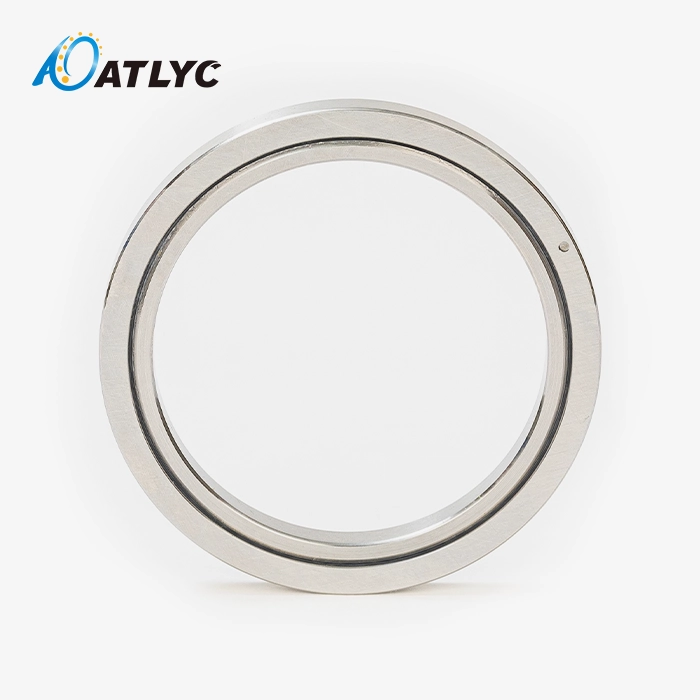
As the name suggests, the YRTM series is the small version of rotary table bearings. It was designed for uses that need to be precise and compact. The YRTM design is different from standard YRT bearings because it has a lower cross-sectional height while still being able to carry important loads. This bearing combines three functions into one unit: thrust bearing for axial loads, radial bearing for radial forces, and moment resistance for loads that are moving. The small structure gets rid of the need for various bearing arrangements, which makes your tools much smaller overall.
Three-in-One Integration Advantage
The bearing is made up of a push bearing, a radial bearing, and an indexing device all in one. There is a fixed ring on the outside, a moving ring on the inside, precise steel balls, and a cage. This combined design gets rid of the need to put together a lot of different parts. This makes installing equipment much easier and reduces the size of the mechanical structure as a whole. The tech behind this combination saves you a lot of time when setting up for production.
Advanced Ball Arrangement Technology
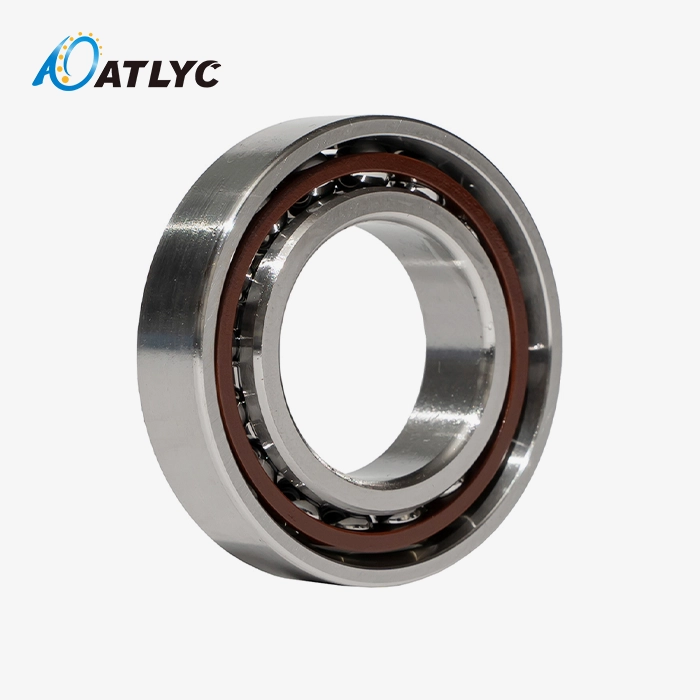
There are two rows of steel balls set up at a certain contact angle, which is usually 45° or 60°. With this set-up, the bearing can handle axial loads, radial loads, and composite moments (tilting moments) from different directions at the same time. It successfully increases the bearing's load-bearing capacity and stiffness, making sure that it can work steadily even when the load is complicated. The double-row angular contact ball setup works better than the single-row designs, especially when the loads change, which is common in CNC operations.
Precision-Ground Raceway Quality
These bearings of YRTM Rotary Table Bearing go through steps of precision grinding and super-finishing on both the inside and outside raceways. Made from high-tech materials that are strong and don't wear down easily, these bearings keep their tight tolerances even when they are under a lot of stress from spinning and heavy loads. The basic idea behind how it works is that the load is spread out optimally across precision-ground rolling elements. This makes sure that there is little pushback and better rotating accuracy.
This table illustrates the key technical specifications across different bearing variants:
| Bearing Type | Structure Design | Special Feature | Primary Application |
|---|---|---|---|
| YRT | Standard combined roller design | Radial + thrust integration | General machining centres |
| YRTS | Preloaded configuration | Double-sided sealed | High-speed operations |
| YRTM | Miniature compact structure | Space-saving design | Compact CNC equipment |
| ZKLDF | Reinforced rings | Multi-row rollers | Heavy-duty applications |
Specifications that are very detailed, like sizes, tolerances, and dynamic and static load ratings, meet or go beyond industry standards. This gives you the accurate performance information you need to make smart buying choices.
Comparing YRTM Bearings: Why They Outperform Alternatives
Superior Precision and Load Capacity
YRTM Rotary Table Bearings distinguish themselves from cross roller and normal bearings through superior precision, load capacity, and maintenance efficiency. YRTM offers a great mix of accuracy and cost-performance compared to other options on the market. This means that your operations will have a lower total cost of ownership. The small design doesn't skimp on performance measures that are important to the quality of your work.
Cost-Performance Balance
Real-world application data backs up the claims that these bearings are more reliable and last longer, especially in high-precision CNC cutting settings. Some competitors offer similar size specs, but the YRTM series performs consistently even when temperatures change, and loads are put on it many times. This comparative information helps you figure out the value that goes beyond the original price by focusing on long-term business benefits that have an impact on your bottom line.
The following comparison demonstrates performance characteristics:
| Performance Metric | YRTM Bearing | Standard Cross Roller | Traditional Setup |
|---|---|---|---|
| Space Efficiency | High (compact design) | Medium | Low (multiple units) |
| Installation Complexity | Low (integrated) | Medium | High (separate units) |
| Maintenance Frequency | Low | Medium | High |
| Load Capacity (combined) | Excellent | Good | Variable |
| Cost-Performance Ratio | Superior | Moderate | Lower |
Maintenance and Longevity Advantages
The combined structure cuts down on the number of places where your gear could break. Fewer parts mean easier repair procedures and less downtime while they are being fixed. This way of thinking about design directly handles a problem that happens a lot in manufacturing: tools breaking down at the worst possible time during important production runs.
Applications and Benefits: Where YRTM Bearings Provide Maximum Value
CNC Machining Centres and Automation
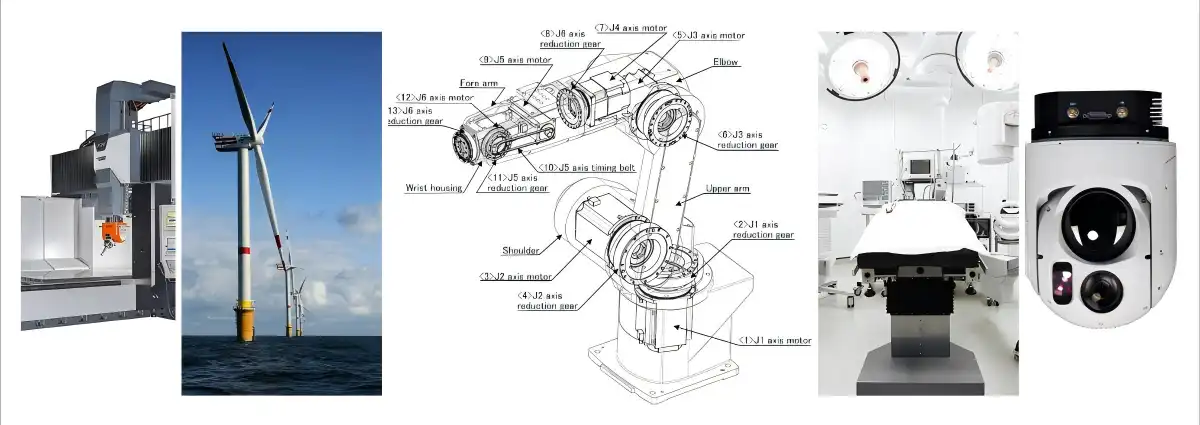
YRTM Rotary Table Bearings are great for many important industries, such as robots, aerospace, defence, automation equipment, and CNC machine centres. Their design makes sure that they are very stiff, can hold a lot of weight, and have very little pushback, which directly meets the most exacting requirements. Because they are small in size, they work well with 4th and 5th axis CNC machines that don't have a lot of room in the rotary table assembly.
Understanding how flexible these bearings are can help you find chances in your own operations before you look into specific uses. The following examples show how they can be used:
- Direct Drive Motors and Indexing Heads: YRTM Rotary Table Bearings are the main support bearings used in high-speed indexing applications. Their low runout makes sure that motor feedback systems get accurate data, which is very important for equipment used in chip manufacturing that needs to keep vibrations below certain levels.
- Precision Metrology and Measurement Equipment: These bearings make the rotation planes of big Coordinate Measuring Machines (CMMs) and measurement gimbals stable and free of backlash. Stable friction torque properties show that the device works well in metrology labs with changing temperature zones. This makes sure that spinning doesn't cause measurement mistakes.
- Automated Assembly Lines: The small size of the design makes it easy to fit robotic arms and automatic positioning systems in tight areas without affecting their accuracy. Because of less upkeep, your factory floor will be up and running more of the time.
- Medical Device Manufacturing: When it comes to making medical devices, the sealed versions of these bearings keep things clean while still keeping the sub-micron accuracy needed for making surgical instruments.
These examples show how choosing the right bearings can cut down on downtime and the number of times they need to be serviced, which saves money and makes the process better. When compared to traditional bearing arrangements, industry case studies show that proper adoption can cut down on unplanned repair events by up to 40%. Because of these advantages, YRTM is the best choice for clients who want stability and success in projects that need to be done precisely.
Installation and Maintenance: Ensuring Long-Term Optimal Performance
Step-by-Step Installation Protocol
Miniature rotary table bearings work best and last as long as they are properly installed and maintained on a regular basis. This part walks your engineering teams through practices that stress precise alignment and taking the surroundings into account. Long-term efficiency is directly affected by the installation process.
Preparation Phase: Get ready by cleaning the mounting areas well and getting rid of any dirt, old lubricant, or protective coatings. Use accurate measuring tools to make sure the mounting area is flat; any changes beyond the allowed range will affect the bearing's performance and speed up the wear pattern.
Alignment Procedure: Carefully place the bearing so that the inner and outer rings line up with the shaft and housing. Use the right fastening tools that spread the force evenly across the face of the bearing. When installing, don't use impact loading, as it can damage the precision-ground raceways and make the turn less accurate.
Torque Specifications: When tightening mounting nuts, follow the torque numbers given by the manufacturer. Stress peaks caused by uneven or too much force shorten the life of bearings. To make sure the clamping force is spread out evenly, use torque wrenches that have been measured and tighten the bolts in a cross-pattern order.
Lubrication and Inspection Guidelines
Recommended cleaning methods and regular inspection plans help find signs of wear early, which stops expensive failures. The lube you choose has a big impact on how well the bearing works. Choose lubricants based on the temperature range, speed, and load conditions that are right for your purpose.
Apply the oil at the times and amounts that are given. Too much grease can raise working temperatures and bring in dirt, while too little lubrication speeds up wear. For sealed bearing types, the oil that is put in at the plant usually lasts a lifetime under normal use.
Set up check schedules that keep an eye out for noise, shaking, or temperature changes that don't seem normal. These signs often show that problems are starting to happen before a major failure does. As part of regular checks, seals should be looked at visually, the mounting bolt strength should be checked, and rotational resistance should be measured.
For high-stakes industrial uses, it's important to have clear repair plans that keep bearings running at their best and help keep operations running efficiently. By keeping track of maintenance tasks, you can predict when services will be needed and make your preventative maintenance plans more effective.
Procurement Insights: Buying YRTM Rotary Table Bearings with Confidence
Navigating the Supply Chain
Finding authorised sellers of precision bearings that offer flexible bulk buy options and clear lead times makes the process of getting them easier. When you know how the buying process works, you can get parts that meet your technical needs while staying within your budget.
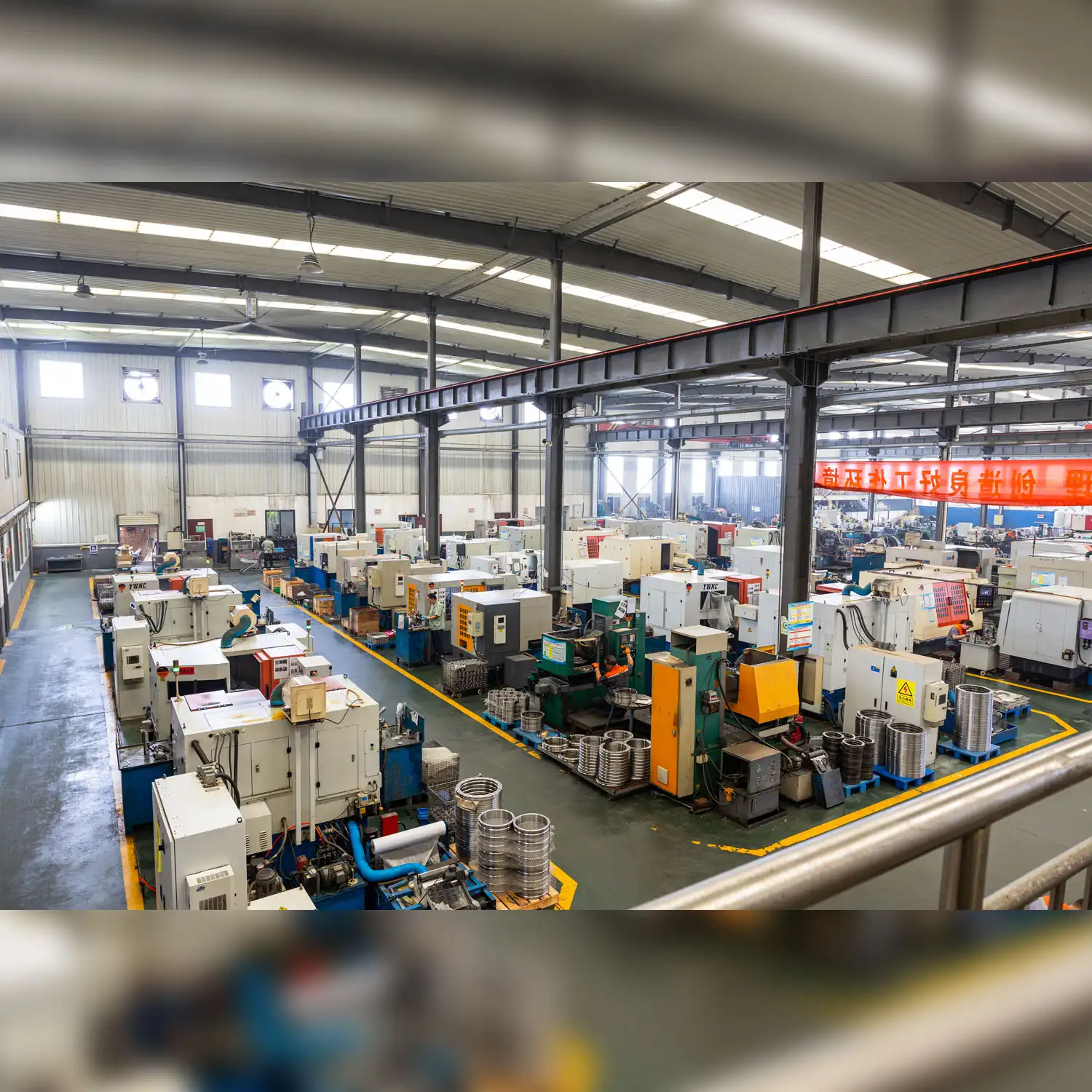
Our 15-year history of manufacturing shows that Luoyang Auto Bearing Co., Ltd. has always been dedicated to the quality and dependability of YRTM Rotary Table Bearing. Since our company was founded in 2010, it has grown from one workshop to six complete production sites. We are experts at making high-precision bearings and sell them all over the world. Our 120 skilled workers who work on production, research and development, quality control, and assembly make sure that all steps of the manufacturing process run smoothly and professionally.
Quality Certifications and Standards
The business has a good quality management system and is certified by both ISO 9001 and IATF 16949. This shows that we are dedicated to stable quality and meeting foreign standards. These certifications are more than just pieces of paper; they are organised ways to ensure quality that keep your processes safe from parts that aren't up to par. We've grown our business to serve customers all over the world, and countries like South Korea, the US, Germany, Russia, Iran, and Turkey trust us.
Pricing Models and Value Proposition
Pricing models make it clear which benefits come from cost versus performance, and they're backed up by warranties and dedicated customer service after the sale to make sure customers are happy. Instead of just comparing unit prices, you should look at the total cost of ownership when choosing a bearing provider. Long-term costs are affected by things like how long a bearing is expected to last, how often it needs to be maintained, and how easy it is to get expert help.
Verified reviews from OEMs and distributors and comments from customers help build the image for quality that is so important in business-to-business relationships. Supply chain stability is important for planning your production, and building smart relationships with manufacturers that can show output scale, continuous improvement, and foreign experience is a great way to do this. This complete buying overview gives you the power to confidently secure bearings that have strategic value that goes beyond individual deals.
Conclusion
The accuracy of your making, the amount of time your equipment is up and running, and your daily costs are all affected by the rotary table bearing you choose. The YRTM series has been shown to work well in tough situations where room is limited and precise measurements are needed. The three-in-one design makes installation easier, upkeep easier, and ensures stable load capacity on multiple axes at the same time. These bearings provide measured value through less downtime and consistent accuracy when installed and maintained according to the right procedures. With 15 years of manufacturing experience and ISO 9001 and IATF 16949 certifications, you can be sure that the parts you receive will meet international quality standards and work efficiently in your important uses.
FAQ
1. What makes YRTM bearings particularly precise compared to alternatives?
The accuracy comes from a number of tech factors working together. At certain contact angles (45° or 60°), the double-row angular contact ball arrangement spreads the load evenly across all moving parts. Precision-ground raceways go through super-finishing steps that make the surface smooth to the level of micrometres, which reduces changes in friction. Controlled metallurgy in high-quality bearing steel keeps the dimensions stable over a wide range of temperatures. The combined structure gets rid of the tolerance stack-up problems that come up with setups with multiple parts, which directly leads to better rotational accuracy.
2. What are typical lead times for bulk orders?
Lead times depend on the size of the order and the specifics that are needed. Standard YRTM configurations usually ship in two to three weeks for orders up to 100 units. For larger orders or orders with specific needs, it may take 4 to 6 weeks to make sure the quality is checked properly. We keep a strategic stock of common sizes to meet urgent needs, and we work closely with your buying teams to make sure that shipping times are in line with your production planning requirements.
3. Can YRTM bearings be customised for specific applications?
Some of the things that can be customised are different seal designs, special lubrication for high temperatures, and changes to the size within the limits of production. Our engineering team works with your technical staff to look at unique needs and see if they are possible. Even though the small size limits some changes, we are able to meet application-specific needs that improve bearing performance in your specific working setting.
Partner with ATLYC for Precision Bearing Solutions
Your production accuracy depends on how reliable your parts are, which you can measure. We are a reliable company that makes YRTM Rotary Table Bearings and have ISO 9001 and IATF 16949 certifications. We make precision bearings for CNC machining, robots, and automation uses that need to work hard. Our 15 years of experience making things and six specialised production sites make sure that quality is always the same and that we can meet your needs. Email our engineering team at auto@lyautobearing.com to talk about your particular bearing needs, get full technical specs, or look into options for bulk prices. We offer full expert help during the whole procurement process and provide solutions that lower your total cost of ownership while also making your tools work better.
References
1. Harris, T.A. and Kotzalas, M.N. (2006). "Advanced Concepts of Bearing Technology: Rolling Bearing Analysis, Fifth Edition." CRC Press, Taylor & Francis Group.
2. ISO 199:2014. "Rolling bearings - Thrust bearings - Geometrical product specifications (GPS) and tolerance values." International Organisation for Standardisation.
3. Weck, M. and Brecher, C. (2006). "Machine Tools Production Systems 2: Design and Calculation." Springer-Verlag Berlin Heidelberg.
4. IATF 16949:2016. "Quality management system requirements for automotive production and relevant service parts organisations." International Automotive Task Force.
5. Eschmann, P., Hasbargen, L., and Weigand, K. (1985). "Ball and Roller Bearings: Theory, Design and Application, Second Edition." John Wiley & Sons.
6. Budynas, R.G. and Nisbett, J.K. (2015). "Shigley's Mechanical Engineering Design, Tenth Edition." McGraw-Hill Education.
Learn about our latest products and discounts through SMS or email