- English
- French
- German
- Portuguese
- Spanish
- Russian
- Japanese
- Korean
- Arabic
- Greek
- German
- Turkish
- Italian
- Danish
- Romanian
- Indonesian
- Czech
- Afrikaans
- Swedish
- Polish
- Basque
- Catalan
- Esperanto
- Hindi
- Lao
- Albanian
- Amharic
- Armenian
- Azerbaijani
- Belarusian
- Bengali
- Bosnian
- Bulgarian
- Cebuano
- Chichewa
- Corsican
- Croatian
- Dutch
- Estonian
- Filipino
- Finnish
- Frisian
- Galician
- Georgian
- Gujarati
- Haitian
- Hausa
- Hawaiian
- Hebrew
- Hmong
- Hungarian
- Icelandic
- Igbo
- Javanese
- Kannada
- Kazakh
- Khmer
- Kurdish
- Kyrgyz
- Latin
- Latvian
- Lithuanian
- Luxembou..
- Macedonian
- Malagasy
- Malay
- Malayalam
- Maltese
- Maori
- Marathi
- Mongolian
- Burmese
- Nepali
- Norwegian
- Pashto
- Persian
- Punjabi
- Serbian
- Sesotho
- Sinhala
- Slovak
- Slovenian
- Somali
- Samoan
- Scots Gaelic
- Shona
- Sindhi
- Sundanese
- Swahili
- Tajik
- Tamil
- Telugu
- Thai
- Ukrainian
- Urdu
- Uzbek
- Vietnamese
- Welsh
- Xhosa
- Yiddish
- Yoruba
- Zulu
What Are the Advantages of CRBS Crossed Roller Bearings?
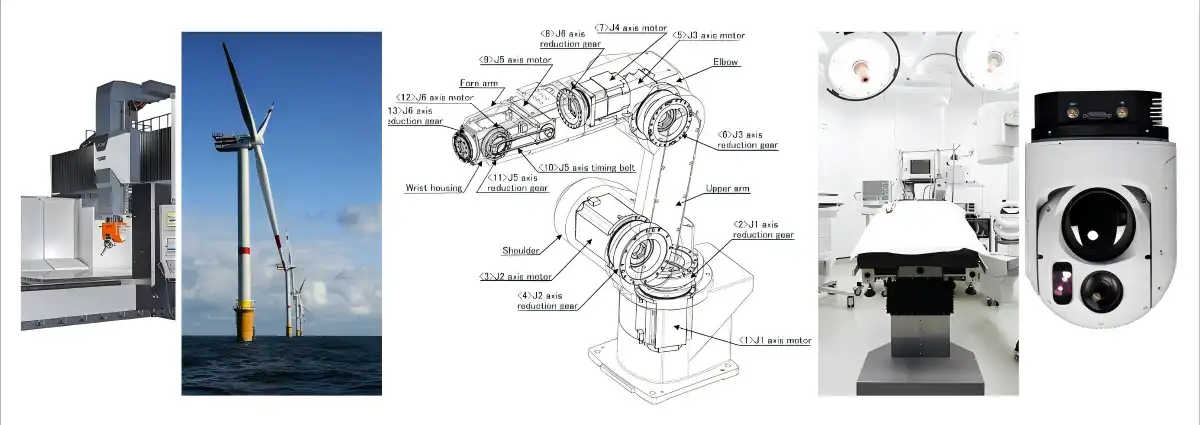
When precision machinery operates in challenging environments—whether exposed to corrosive chemicals, abrasive dust, or temperature extremes—bearing failure threatens production continuity and equipment longevity. CRBS Crossed Roller Bearings address this critical need by delivering multi-directional load capacity within a sealed, contamination-resistant design. These specialised precision bearings integrate advanced sealing technology with orthogonally arranged cylindrical rollers, enabling the simultaneous handling of radial, axial, and moment loads while maintaining IP65-level environmental protection. Unlike conventional bearing solutions requiring frequent maintenance or premature replacement, sealed crossed roller bearings extend service intervals to 12,000 operating hours, reducing total cost of ownership across automotive assembly, outdoor robotics, and food processing applications.
Introduction
The choice of bearing technology affects machine performance, operational uptime, and maintenance expenditure. When equipment must be precisely positioned while also withstanding severe weather conditions, conventional bearing designs are frequently not enough. This manual details the novel engineering that goes into CRBS Crossed Roller Bearings and how it meets the double challenges faced by industrial and robotic applications.
Procurement professionals must carefully consider load-handling capabilities, environmental protection, dimensional limits, and lifespan costs when evaluating bearing solutions. Crossed roller bearings are inherently more compact and stiffer than other designs; however, not all implementations give sufficient protection against contamination. To make educated judgements that balance technological needs with financial limitations, engineers need to know what makes sealed CRBS variations different from normal setups.
Our target market includes companies in the automotive, industrial equipment, and bearing distribution industries that seek dependable suppliers for consistently high-quality goods. To establish lasting partnerships with manufacturers who are compliant with ISO 9001 and IATF 16949, we analyse technical specifications, comparative advantages, and plan procurement.
Understanding CRBS Crossed Roller Bearings
Core Design Architecture
The crossed roller bearing configuration represents a significant advancement in precision motion control. Within a compact envelope, cylindrical rollers alternate orientation at 90-degree angles along V-groove raceways machined into inner and outer rings. This orthogonal arrangement enables a single bearing unit to support complex loading scenarios that would otherwise require multiple bearing assemblies.
Enhanced Sealing Technology
The sealed CRBS types have a complete contamination defence system, which makes them different from regular precision bearings. An inner nitrile rubber (NBR) lip seal stops lubricant loss and moisture penetration, while an outside stainless steel dust cover protects against mechanical impact from particles and chemical splash. Each unit has a dual-barrier protective structure. The composite sealing gives these bearings an IP65 protection grade, so they can be used in chemically demanding processes, dusty manufacturing facilities, and damp production settings.
Advanced Surface Treatment
Raceway surfaces undergo nitriding treatment, creating a hardened diffusion layer that substantially improves resistance to corrosion and wear compared to conventional heat treatment. This metallurgical enhancement extends bearing life in applications involving acidic coolants, marine atmospheres, or abrasive contaminants. The nitrided surface maintains dimensional stability under continuous operation, preserving the rotational accuracy essential for robotic positioning and precision indexing systems.
Lubrication Engineering
This sealed crossed roller bearing comes with grease that can withstand high temperatures and is resistant to water. It is designed for extended service intervals. No matter the temperature, this specialised lubricant maintains its viscosity and produces a uniform film thickness. It works great in heated car painting conditions as well as in cold food processing zones. Relubrication is not necessary for up to 12,000 running hours under typical industrial duty cycles due to the sealed design, which prevents grease contamination and oxidation.
Advantages of CRBS Crossed Roller Bearings Over Traditional Bearings
Superior Multi-Directional Load Handling
Multiple units are usually needed in traditional bearing arrangements to handle combined radial, axial, and moment loads. Thanks to crossed roller technology, all of these features may be consolidated into one small unit. By distributing stresses across longer contact surfaces, the alternating roller orientation achieves greater stiffness than equivalent-sized ball bearing alternatives. Because of this structural efficiency, machines weigh less, assembly becomes easier, and equipment design requires less space.
Extended Service Life in Challenging Environments
Where standard precision bearings experience accelerated wear from contamination infiltration, sealed CRBS units maintain performance integrity. The dual-layer protection system prevents abrasive particles from reaching rolling surfaces, while the corrosion-resistant materials and treatments defend against chemical attack. Outdoor robotic applications, marine deck equipment, and food packaging machinery benefit particularly from this environmental resilience, avoiding premature failure that disrupts production schedules.
Maintenance Interval Optimisation
Improved sealing and cutting-edge lubrication work together to significantly lengthen the intervals between repairs. While sealed crossed roller varieties of precision bearings keep performing optimally for 12,000 hours, standard bearings may need relubrication every 2,000-3,000 hours in difficult situations. Equipment availability, spare parts inventory needs, and maintenance labour costs are all positively impacted by this six-fold improvement. Instead of reacting to unexpected failures, manufacturing operations can arrange bearing checks during scheduled downtime.
Precision Retention Throughout Service Life
The main reason bearing systems lose precision is due to contamination. Indentations in the running surfaces can cause vibration and dimensional error, and even the tiniest particles that enter the raceway can do this. The sealed design keeps the inside clean, which means the original alignment and rotational accuracy are preserved. Applications that require constant accuracy, such as optical equipment, measuring instruments, and robotic manipulators, are able to maintain consistent performance for long periods of time without requiring recalibration.
These specialised bearings' built-in design features provide quantifiable benefits in terms of operating dependability and space efficiency. Environmental protection features guarantee consistent performance across diverse industrial settings, from outdoor agricultural machinery to chemical processing plants, and compact equipment designs enable the support of complex loads within minimal cross-sectional envelopes.
CRBS vs Other Crossed Roller Bearing Brands – Making the Right Choice
Design Sophistication Comparison
Leading bearing manufacturers including THK, NSK, and SKF offer crossed roller products serving precision motion applications. The primary differentiator among these options lies in sealing effectiveness and environmental adaptability. Standard offerings from major brands typically feature open or shielded configurations suitable for clean manufacturing environments but vulnerable to contamination in harsh settings. Sealed CRBS variants address this limitation through integrated protection systems engineered specifically for challenging industrial conditions.
Application-Specific Performance
When we compare durability under challenging operational scenarios, we reveal key differences. Bearings are vulnerable to humidity and salt spray when used in machinery that operates in maritime regions. The use of chemical solvents and the risk of particle overspray are inherent hazards in the automotive painting industry. Using pressurised water and sanitising chemicals, food processing machinery must endure repeated washdown procedures. There is evidence that sealed crossing roller systems, with their IP65 certification and corrosion-resistant materials, offer dependability benefits in these particular settings.
Cost-Performance Analysis
There are several other components to total bearing expenditure, outside of initial procurement costs. A lifetime cost study must include factors such as equipment downtime costs, replacement intervals, and maintenance frequency. The prolonged 12,000-hour maintenance period and greater contamination resistance provide a compelling return on investment for operations in severe environments, even if premium sealed bearings fetch higher unit pricing than basic versions. Procurement teams can justify the increased expense by decreasing annual bearing consumption and minimising production interruptions.
Industry Application Evidence
Petrochemical facilities in Middle Eastern markets demonstrate stable adoption of sealed precision bearings due to exposure to corrosive atmospheres and extreme temperatures. Southeast Asian food processing operations report improved equipment reliability following transitions from standard to sealed bearing configurations, particularly in applications involving frequent cleaning cycles. These real-world deployment patterns validate the performance advantages claimed for environmentally protected crossed roller technology.
Maintenance, Durability, and Long-Term Value of CRBS Bearings
Recommended Maintenance Protocols
Though designed for extended service intervals, CRBS Crossed Roller Bearings benefit from periodic inspection protocols. Visual examination of seal integrity, monitoring for abnormal noise or vibration, and verification of mounting conditions should occur during scheduled equipment maintenance windows. Unlike conventional bearings requiring regular relubrication, sealed units operate maintenance-free until reaching the recommended 12,000-hour threshold, at which point replacement rather than servicing represents the preferred approach.
Quality Certification and Warranty
Manufacturers adhering to ISO 9001 and IATF 16949 standards demonstrate commitment to consistent quality management. These internationally recognised certifications provide procurement teams with assurance that bearings meet documented specifications and undergo rigorous testing verification. Established warranty terms covering manufacturing defects offer additional protection, though proper application and installation remain critical for achieving design life expectations.
Technical Support Infrastructure
Access to engineering assistance during product selection, application troubleshooting, and installation guidance significantly influences long-term bearing performance. Manufacturers operating dedicated technical support centres, staffed by engineers familiar with specific industry challenges, provide valuable resources for optimising equipment reliability. This expertise proves particularly important when adapting standard bearing configurations to unique application requirements or investigating unexpected performance issues.
Total Cost of Ownership Calculation
Evaluating bearing value requires comprehensive cost analysis beyond initial purchase price. Factors including energy consumption from friction losses, maintenance labour requirements, inventory carrying costs for spare parts, and production losses during unplanned downtime all contribute to lifecycle expenses. Sealed crossed roller bearings, offering extended maintenance intervals and enhanced environmental resistance, typically demonstrate superior total cost of ownership in harsh environment applications despite higher unit costs.
Procurement Insights – Buying CRBS Crossed Roller Bearings for Your Business
Sourcing Strategy Development
Identifying qualified suppliers capable of consistent quality delivery represents a critical procurement function. Authorised distributors maintaining factory relationships provide access to technical resources and warranty support, while direct manufacturer engagement may offer pricing advantages for high-volume requirements. Evaluating supplier capabilities should include assessment of quality certifications, production capacity, inventory availability, and after-sales support infrastructure.
Volume Purchasing Considerations
Bulk order arrangements provide opportunities for cost optimisation through negotiated pricing, consolidated shipping, and inventory management support. Annual supply agreements establish pricing stability and guaranteed availability, reducing procurement administrative burden and protecting against supply chain disruptions. Suppliers demonstrating scalable production capacity can accommodate growing requirements as equipment installations expand across multiple facilities.
Lead Time and Logistics Planning
Understanding typical manufacturing and shipping timelines enables effective production planning and prevents project delays. Standard bearing configurations may offer shorter lead times from distributor stock, while custom specifications requiring special sealing materials or dimensional modifications necessitate extended manufacturing periods. International shipping logistics, customs clearance procedures, and freight forwarding arrangements all influence total delivery schedules, requiring planning.
Quality Verification Procedures
Establishing inspection protocols for incoming bearing shipments protects against receiving substandard components. Verification should include dimensional measurement, seal integrity examination, rotational smoothness evaluation, and documentation review confirming material certifications and test reports. Suppliers providing comprehensive quality documentation and supporting third-party inspection reduce procurement risk and facilitate traceability for critical applications.
Conclusion
CRBS Crossed Roller Bearings technology delivers measurable advantages for industrial equipment operating in challenging environments. The combination of multi-directional load capacity, compact design, and comprehensive contamination protection addresses critical requirements across automotive manufacturing, robotic automation, and food processing sectors. Procurement professionals evaluating bearing options should consider total lifecycle costs rather than focusing exclusively on initial purchase prices, recognising that extended maintenance intervals and improved reliability provide a compelling return on investment. Manufacturers demonstrating ISO compliance, scalable production capacity, and technical support infrastructure offer the partnership foundation necessary for long-term supply reliability. As industrial equipment increasingly deploys in harsh operating conditions, sealed bearing solutions will continue gaining adoption driven by documented performance advantages and total cost benefits.
FAQ
What industries benefit most from sealed crossed roller bearings?
Automotive manufacturing facilities utilise sealed precision bearings in painting booth indexing tables and assembly line robots where paint overspray and cleaning chemicals threaten standard bearing life. Food processing operations deploy these bearings in packaging machinery, conveyor systems, and processing equipment requiring frequent washdown procedures. Marine applications, including deck equipment, positioning systems, and offshore machinery, benefit from corrosion-resistant sealing protecting against salt spray exposure. Outdoor robotics for agricultural automation, construction equipment, and material handling face dust, moisture, and temperature extremes where sealed designs prevent premature failure.
How do sealed crossed roller bearings improve robotic precision?
The crossed roller configuration provides exceptional rotational accuracy and minimal backlash, essential for repeatable positioning. Sealed designs maintain this precision throughout the service life by preventing contaminant infiltration that would otherwise indent raceway surfaces and generate positioning errors. The high rigidity resulting from extended roller contact distributes moment loads without deflection, enabling accurate path following even with cantilevered masses. Reduced vibration from smooth rolling contact enhances sensor accuracy and improves process quality in applications requiring precise manipulation or assembly operations.
Can these bearings be customised for specific applications?
Manufacturers offering engineering support can modify standard bearing configurations to address unique requirements. Customisation options include special seal materials for extreme temperatures or chemical compatibility, different lubrication for food-grade applications, size changes for tight spaces, and adjustments to mounting features. Talking about application parameters with technical staff during the procurement phase helps choose the best bearing and find any changes needed before production starts.
Partner With ATLYC for Reliable CRBS Crossed Roller Bearings Supply
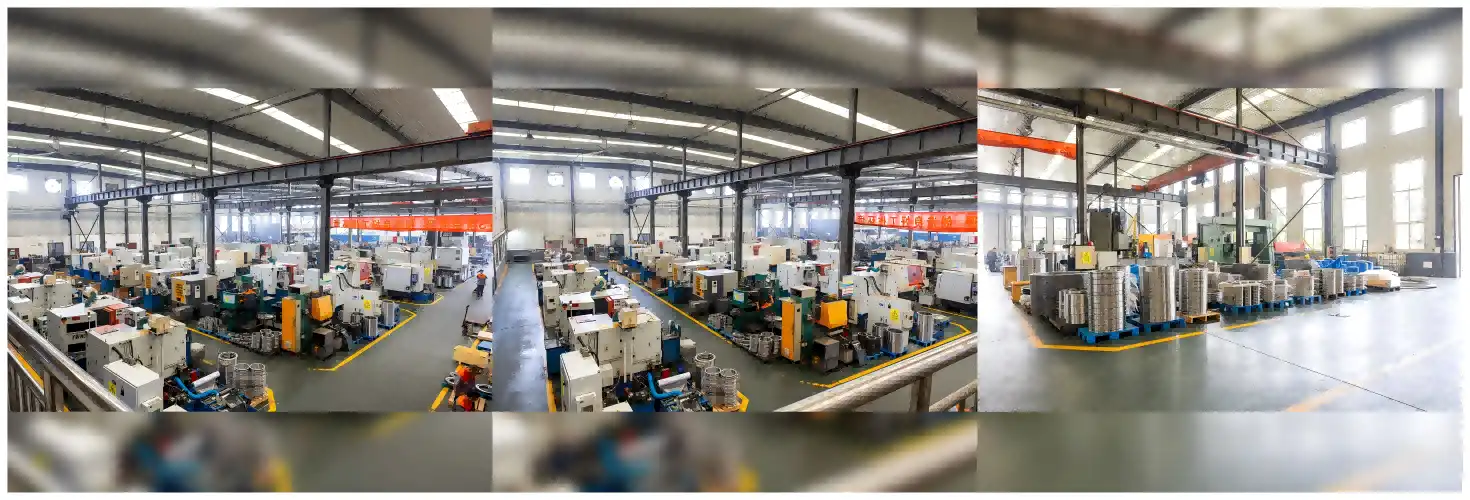
ATLYC brings 15 years of bearing manufacturing excellence to global industrial markets, operating six specialised production facilities staffed by 120 skilled professionals dedicated to precision engineering. Our ISO 9001 and IATF 16949 certifications demonstrate commitment to quality management systems meeting international standards critical for automotive and industrial applications. We manufacture sealed crossed roller bearings incorporating IP65-rated protection systems, nitrided raceway treatments, and high-performance lubrication engineered for 12,000-hour service intervals.
Procurement teams seeking a dependable CRBS Crossed Roller Bearings manufacturer will find ATLYC's production capacity, engineering expertise, and competitive cost-performance ratio aligned with requirements for long-term supply partnerships. Our established export relationships across South Korea, the United States, Germany, Russia, Iran, and Turkey confirm our capability to deliver consistent quality meeting diverse market specifications. Contact our technical sales team at auto@lyautobearing.com to discuss your application requirements, request detailed specifications, or obtain volume pricing for CRBS Crossed Roller Bearings for sale. We provide comprehensive support from product selection through after-sales service, ensuring your equipment achieves maximum reliability and performance.
References
1. Harris, T.A. & Kotzalas, M.N. (2006). Advanced Concepts of Bearing Technology: Rolling Bearing Analysis, Fifth Edition. CRC Press.
2. Waumans, T., Peremans, J. & Bosschaerts, W. (2011). "On the Performance of Crossed Roller Bearings." Tribology International, Vol. 44, Issue 11, pp. 1264-1271.
3. ISO 281:2007. Rolling Bearings — Dynamic Load Ratings and Rating Life. International Organisation for Standardisation.
4. Schaeffler Technologies AG & Co. (2019). Bearing Failure: Causes and Cures. Technical Publication No. WL 82 102/3 EA.
5. Khonsari, M.M. & Booser, E.R. (2017). Applied Tribology: Bearing Design and Lubrication, Third Edition. John Wiley & Sons.
6. SKF Group. (2020). Rolling Bearings in Industrial Applications: Maintenance and Reliability Engineering Handbook. SKF Technical Report AB-201450.
Learn about our latest products and discounts through SMS or email